Last Updated on March 12, 2026
Located in eastern Canada, Quebec is the country’s largest province and the heart of French-speaking culture in North America. The region’s identity has been shaped by Indigenous nations, French colonization, British rule, and its ongoing drive for cultural preservation and autonomy. Today, Quebec stands out for its strong sense of place, seen in everything from its architecture and cuisine to its public art and local festivals.
Beyond the historic cities of Montreal and Quebec City, the province offers scenic drives, Nordic spas, forested national parks, and regional food traditions tied to the land. You’ll find boreal ingredients — ingredients from the Northern forest such as wild herbs, mushrooms, berries, and fir tips — featured on tasting menus across the province. Outdoor activities vary by season, with summer and winter sports in the Laurentians, and quiet riverside towns to explore in Lanaudière and Mauricie.
Quebec is easy to explore whether you’re traveling solo, as a family, or with a group. Most international travelers arrive through Montreal, and from there it’s possible to connect by train, car, or regional flight. English is understood in most cities and tourist areas, though French is the primary language.
Whether you’re here for a city break, a culinary deep dive, or a road trip through Quebec’s quieter regions, this section has practical tips, guides, and itineraries to help you plan a trip that fits your interests.
I independently evaluate all of my recommendations. I might receive compensation for any links you click on my site. Learn more.
Top Quebec Destinations & Experiences
Need travel inspo? These are some of my top recommendations for adventures in the province of Quebec.
- Explore Old Quebec (UNESCO World Heritage Site) for historic architecture, cobblestone streets, and the iconic Château Frontenac
- Explore Montreal in 3 days with museums, markets, and cocktails or go deeper with offbeat Montreal picks
- Drive the Chemin du Roy, a scenic route linking Quebec City and Montreal through small heritage towns
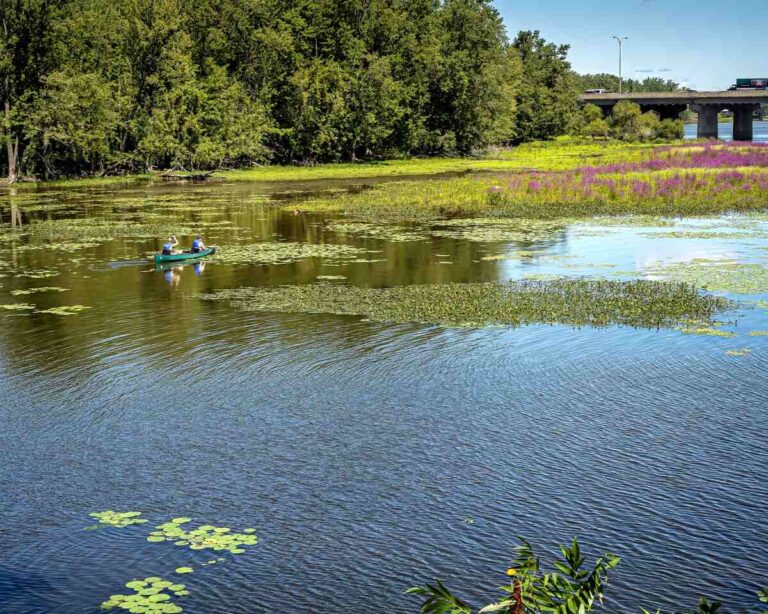
- Add an adventurous weekend in Laval with kayaking, escape rooms, and a farm visit
- Road trip through Lanaudière–Mauricie for lakeside stays, eco-lodges, and outdoor activities
- Relax at the region’s Nordic spas and thermal baths
- Whale watching in Tadoussac or Baie-Sainte-Catherine, especially from June to October
- Visit Montmorency Falls, taller than Niagara and accessible from Quebec City
- Drive the Chemin du Roy, a scenic route linking Quebec City and Montreal through small heritage towns
- Sample Quebecois cuisine, including poutine, tourtière, maple syrup desserts, and boreal ingredients
- Discover Indigenous culture at Wendake, Mashteuiatsh, or through guided forest walks with local experts
- Experience winter festivals like Carnaval de Québec and Montréal en Lumière
- Visit the Eastern Townships for vineyards, hiking trails, and charming villages
- Go skiing or hiking in the Laurentians, Charlevoix, or Gaspé Peninsula
- Discover remote national parks like Parc National de la Gaspésie, Parc de la Jacques-Cartier, or Parc National du Bic
If you see this after your page is loaded completely, leafletJS files are missing.
Quebec Booking Resources
Need the best booking resources for your itinerary? Check out these links and read on for more detailed tips.

Quebec Travel Basics
Currency
Quebec uses the Canadian Dollar (CAD). Credit cards are widely accepted, but it’s helpful to carry small bills or coins for tips, markets, or rural stops.
Water
Tap water is safe to drink throughout Quebec. Bring a reusable bottle to refill during the day.
Power + Converter Plugs
Quebec uses standard North American outlets: 120V, type A and B plugs. Travelers from outside North America will need a plug adapter and possibly a voltage converter.
Entry Requirements
Visitors from the U.S. do not need a visa for stays under 180 days. Most other travelers require an eTA (Electronic Travel Authorization). Always check current entry rules before your trip.
Travelers can use the ArriveCAN app or website to make their customs declaration in advance and save time at the border/on arrival.
Getting Around
Public transportation is reliable in major cities. Montreal has a Metro and bus network; Quebec City relies on buses. For regional travel or day trips, renting a car is the most practical option.
Taxis, Uber & Regional Transit
Taxis and Uber are available in larger cities. In smaller towns, rideshare apps may not operate. Regional bus service connects some areas, but schedules are limited.
Train travel in Canada is limited but reliable along major corridors. VIA Rail operates routes between major cities — including Montreal, Quebec City, Ottawa, and Toronto — with comfortable seating and onboard WiFi. While service to rural areas is sparse, certain routes like the Ocean (between Montreal and Halifax) or the Canadian (from Toronto to Vancouver) offer scenic long-haul journeys.
Rail tickets can be booked directly at viarail.ca. For regional trips within Quebec, trains are a good alternative to flying or driving, especially between city centers.
Tipping
Tipping is customary in Quebec. Restaurants: 15–20% of the pre-tax total. T axis, guides, and service staff: 10–15% depending on service.
Cash and ATMs
ATMs are easy to find in cities and towns. Most accept international debit and credit cards. Fees vary depending on your bank.
Credit Cards
Visa and Mastercard are accepted nearly everywhere. Some smaller shops or food stalls may prefer debit or cash. American Express is accepted at fewer locations, mainly larger hotels and restaurants.
Phones, WiFi, and Cell Coverage
WiFi is widely available in hotels, cafés, and public buildings. For cell service, check with your provider for international plans, or buy a local SIM card if your phone is unlocked. Coverage is strong in cities and along main highways, but may drop in remote areas.
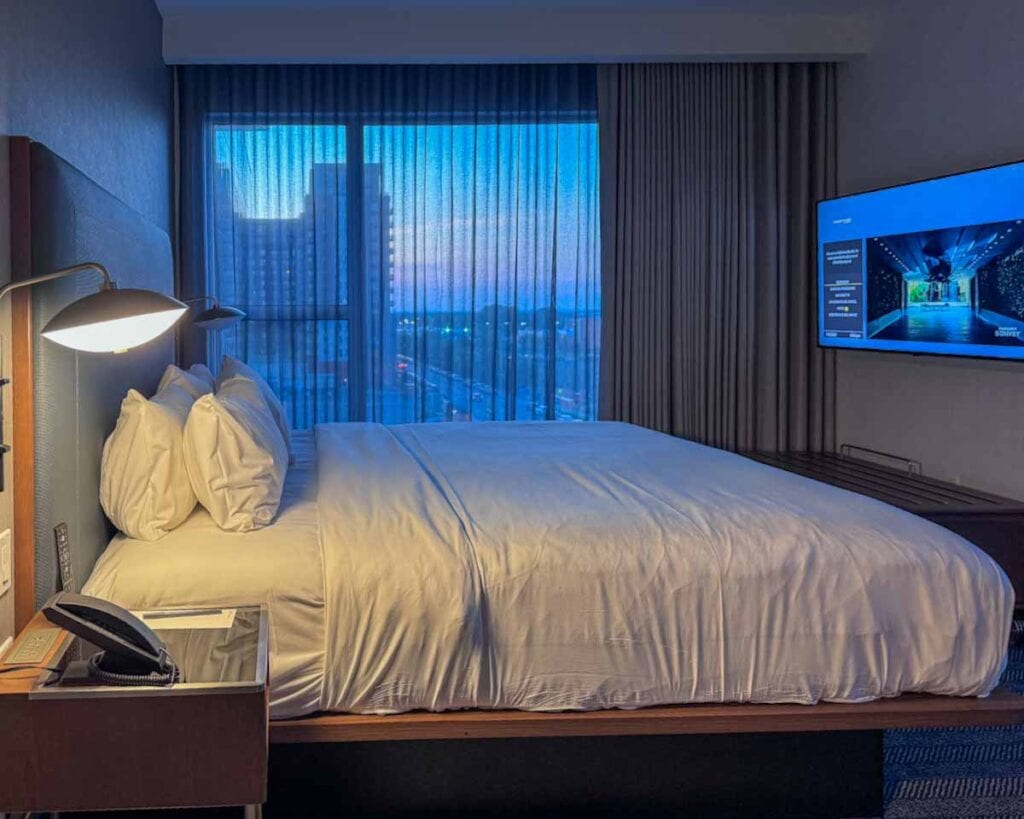
Accommodations in Quebec
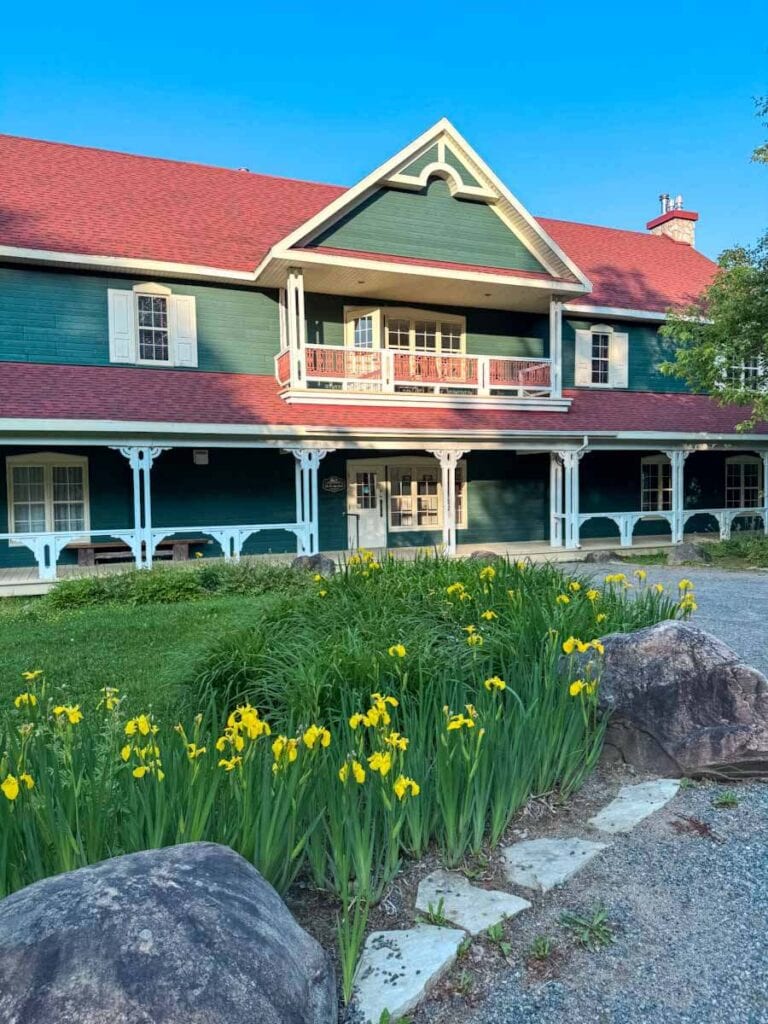
Quebec offers a wide range of lodging, from restored heritage inns to lakeside cabins, contemporary boutique hotels, and full-service resorts. Cities like Montreal and Quebec City have dense hotel inventories across all price points, while smaller towns and rural areas tend to focus more on inns, motels, and cabin rentals.
Backpacking + Budget Hotels
Hostels and budget hotels are widely available in Montreal and Quebec City, with nightly rates from $30–60 CAD per person. Most hostels include Wi-Fi, shared kitchens, and central locations. Smaller towns and parks may offer rustic cabins, ready-to-camp shelters, and affordable motels. Some regional eco-lodges and outfitters also provide budget-friendly options geared toward hikers and paddlers.
Mid-Range Hotels
You’ll find mid-range boutique hotels throughout the province, especially in city neighborhoods and historic areas. Expect to pay around $100–200 CAD per night. Breakfast is often included, and many hotels operate out of converted mansions or restored buildings with period details. Regional inns and auberges often include on-site dining and local products.
Luxury Hotels + Resorts
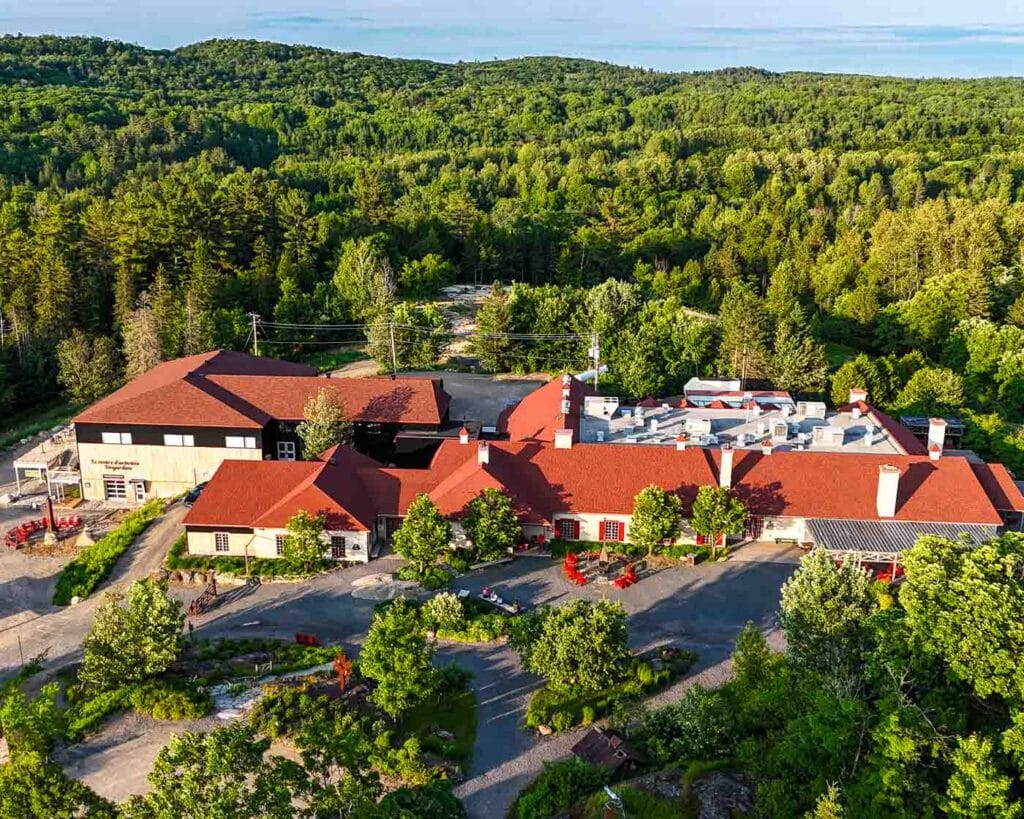
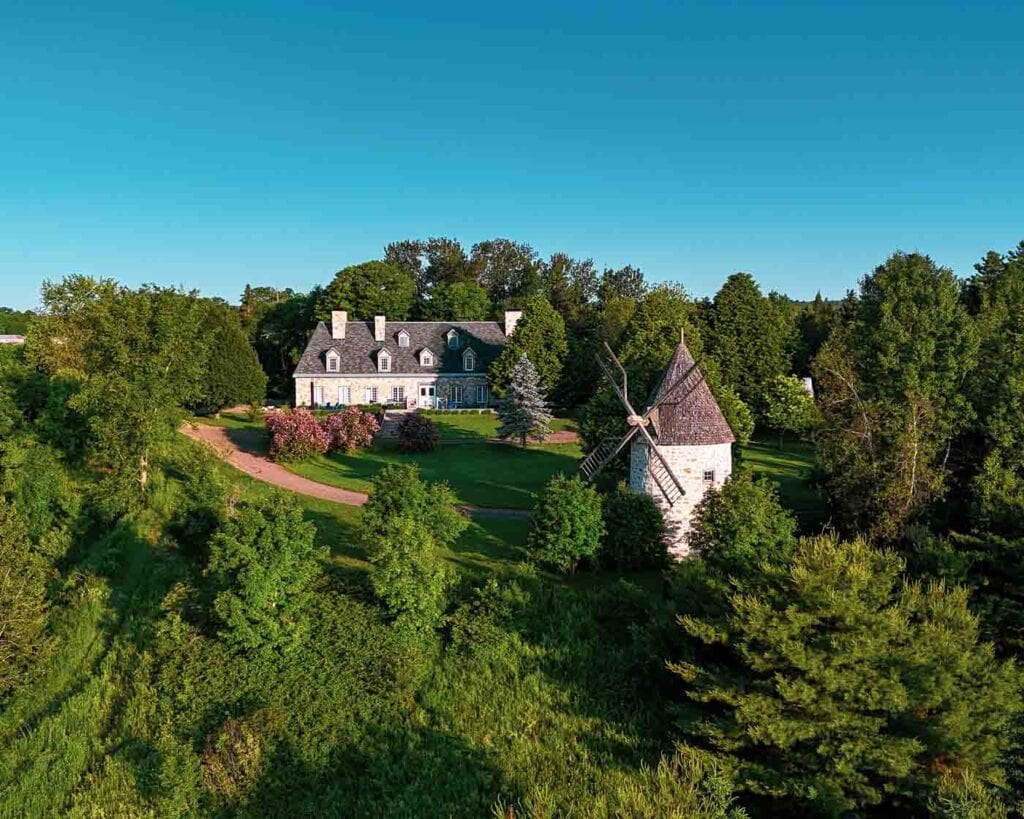
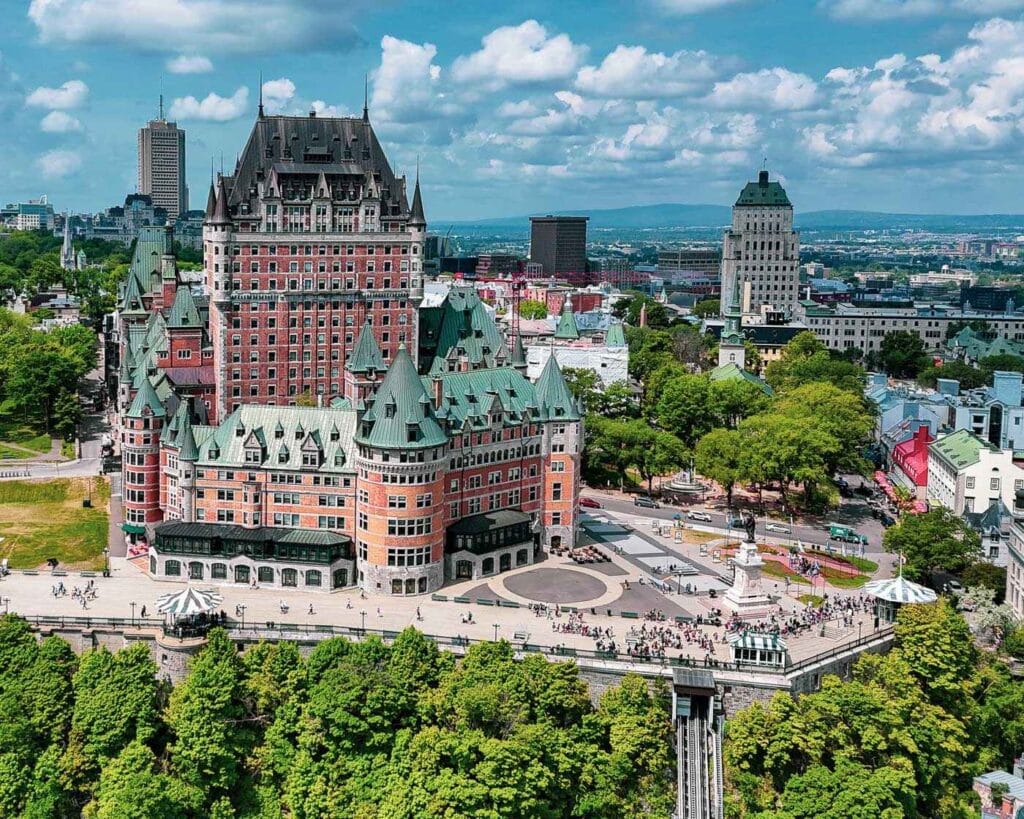
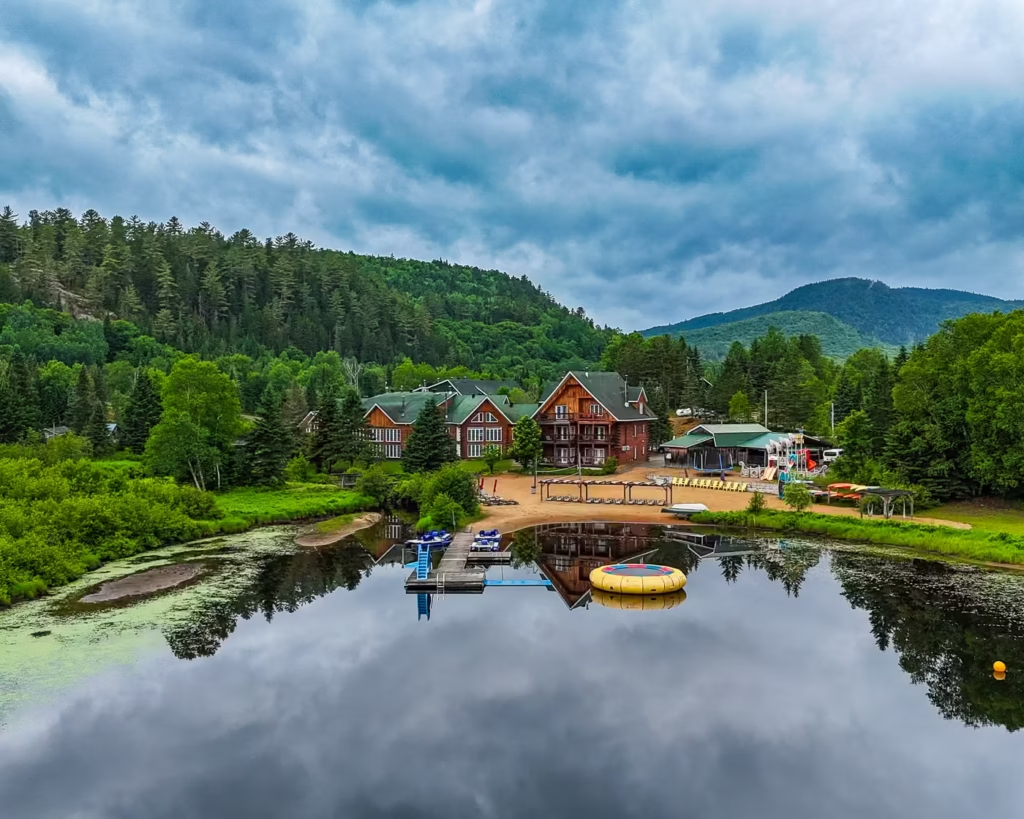
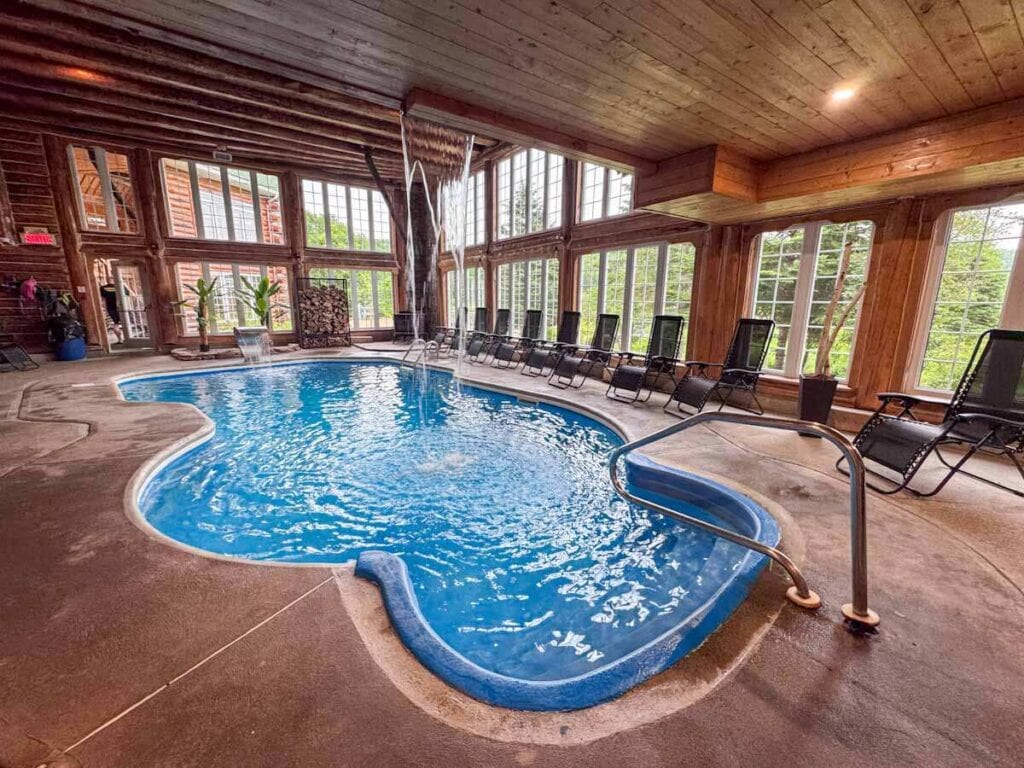
In the higher range, Quebec offers upscale city hotels, forest eco-resorts, and spa-focused stays. Rates for luxury hotels typically begin around $250 CAD per night and can go higher depending on location and amenities. Expect features like fine dining, spa services, fireplaces, and lakeside or historic settings. Properties like Le Baluchon Éco-villégiature, Auberge du Vieux Moulin, and Fairmont Château Frontenac offer unique stays rooted in their setting.
Recommended Booking Sites
I usually book hotels through Expedia or Booking.com because of the flexible cancellation policies and the ease of managing reservations in one place. For vacation rentals, I’ve had the best luck with VRBO, especially in rural regions where hotel options are limited.

Food in Quebec
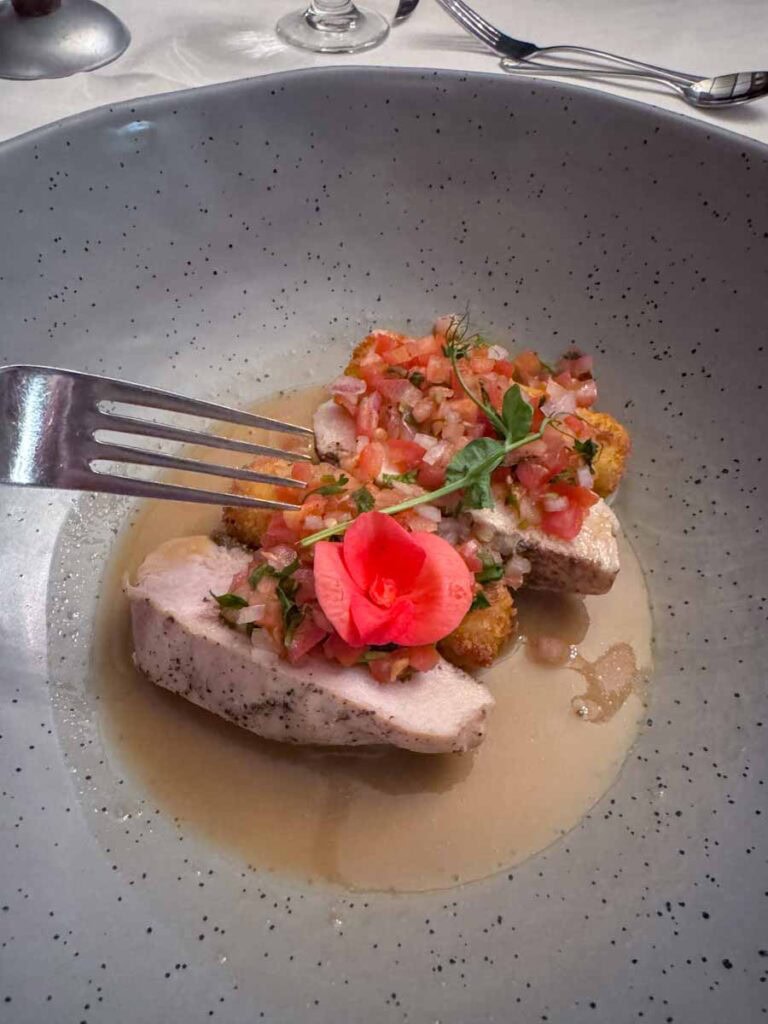
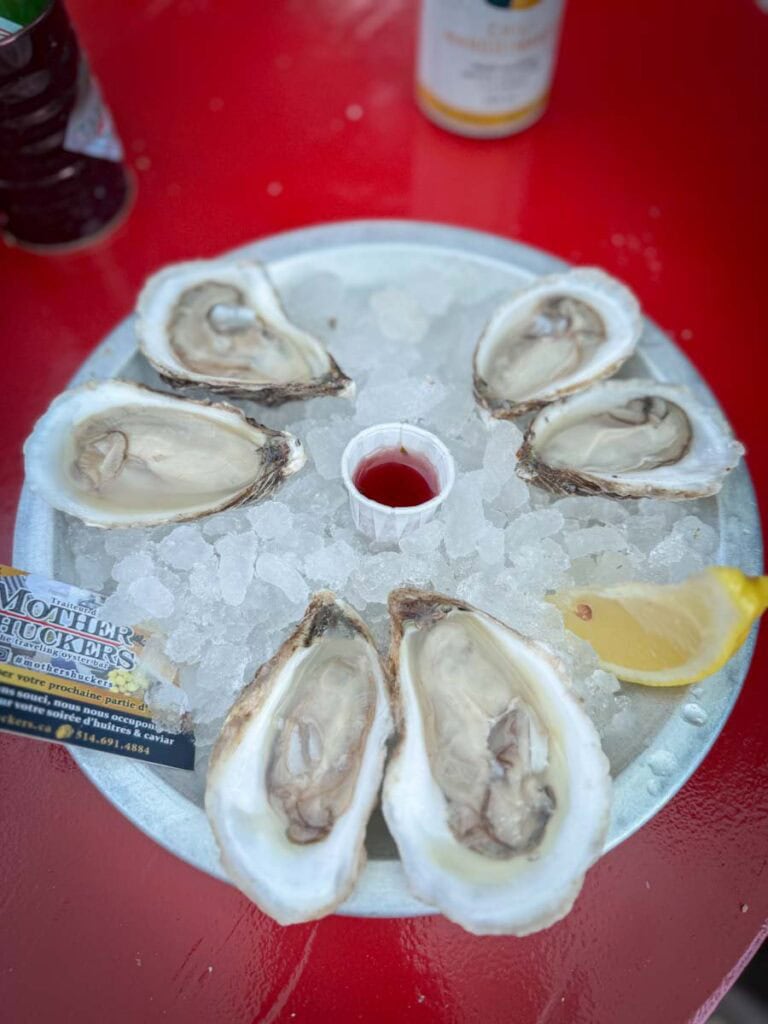
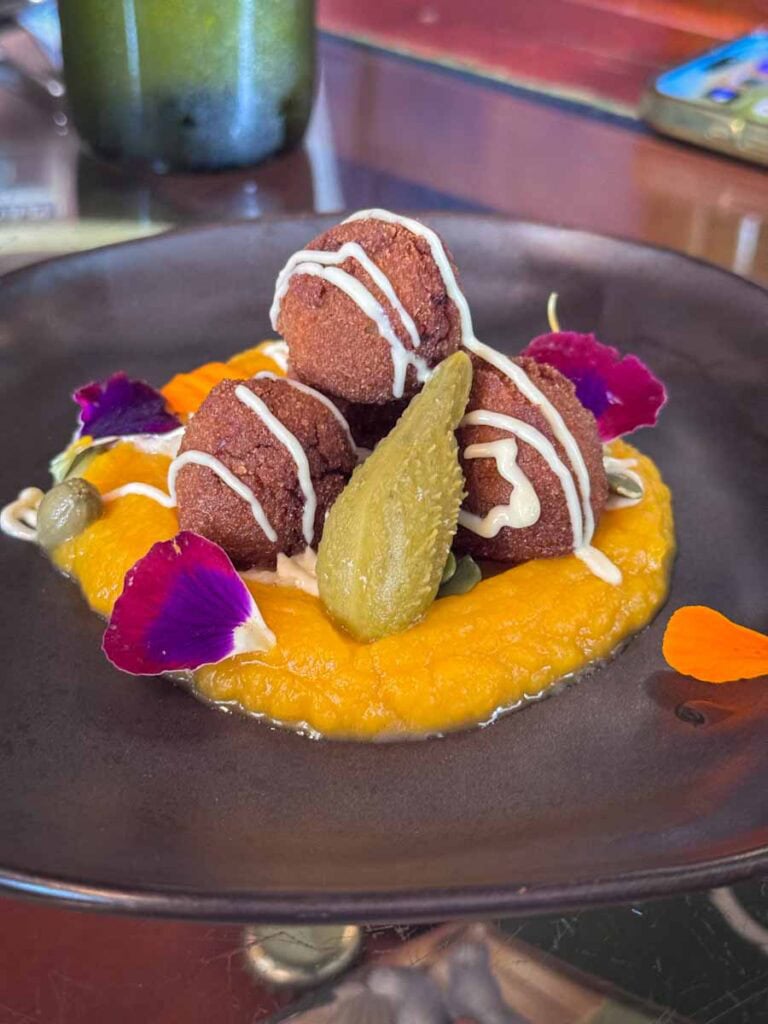
Quebec’s cuisine is shaped by French culinary traditions, seasonal ingredients, and local foodways that reflect both Indigenous and settler influences. What you’ll eat often depends on where you go — cities lean contemporary and global, while rural regions highlight foraged foods, hearty classics, and small-scale producers.
Must-Try Foods
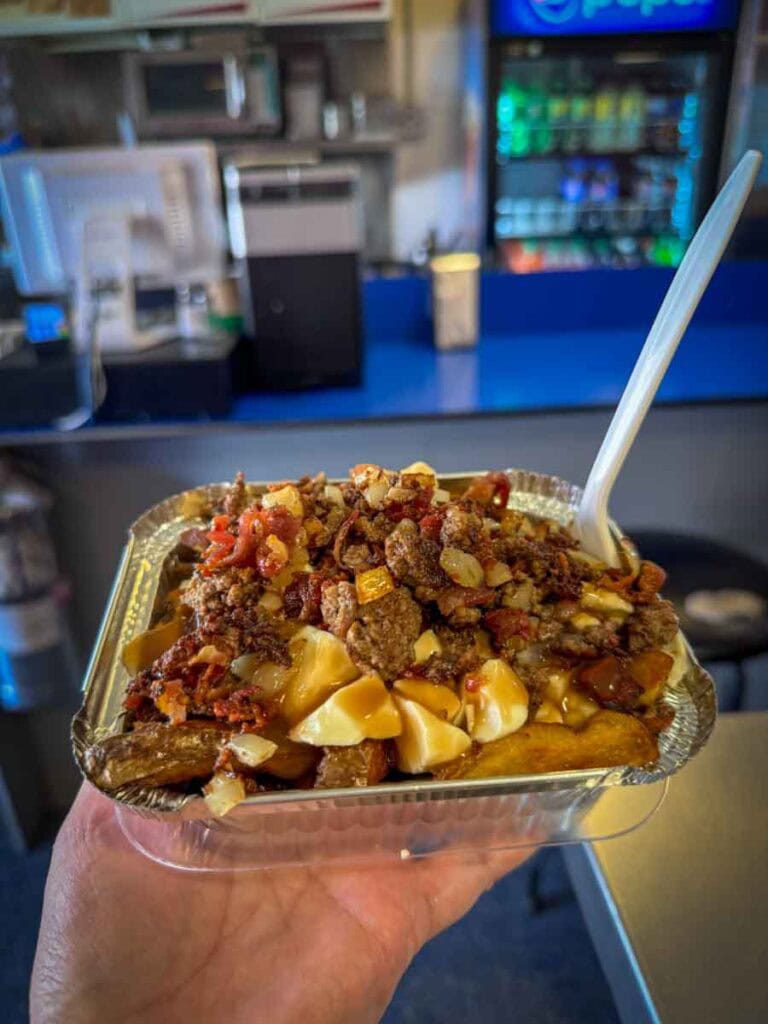
- Poutine – fries topped with fresh cheese curds and gravy; you’ll find gourmet variations across the province
- Tourtière – a meat pie typically served around the holidays, made with pork, beef, or game
- Pea soup – a rustic dish with yellow peas, salt pork, and herbs
- Cretons – a pork spread traditionally served at breakfast
- Sugar pie (tarte au sucre) – a rich dessert made from cream, sugar, and maple syrup
- Boreal cuisine – menus built around forest ingredients like wild mushrooms, berries, fir tips, and game meats
In cities like Montreal and Quebec City, you’ll also find Syrian, Vietnamese, Haitian, and other international food communities that have shaped the local scene.
Drinks to Try
- Ice wine (vin de glace) – a sweet dessert wine made from grapes frozen on the vine
- Cider – often made from local apple varieties, available both sparkling and still
- Maple whisky – a regional specialty with smoky-sweet flavor
- Maple cream liqueur – similar to Irish cream, but made with Quebec maple syrup
- Local wines – vineyards in the Eastern Townships and Île d’Orléans produce white, rosé, and some light reds
- Craft beer – Quebec has hundreds of microbreweries; look for saisons, wild ales, and fruit-forward sours
Food Tours in Quebec
Food tours are a great way to learn about Quebec’s regional ingredients and culinary influences, especially if you’re short on time. In Montreal, tours in Little Italy or around Jean Talon Market highlight international flavors and seasonal produce. In Quebec City, walking tours through Old Quebec often include local cheeses, pâtés, cider tastings, and maple treats.
Some companies also offer specialty tours focused on craft beer, wine, or boreal cuisine. These are best booked ahead, especially in peak seasons.
Local Markets Worth a Stop
Le Grand Marché de Québec is the top year-round market in Quebec City, offering everything from maple products and cheese to fresh bread and prepared meals. It’s easily reached by public transit and includes a few indoor food counters if you want to grab lunch.
In Montreal, Jean Talon Market and Atwater Market are local institutions. Jean Talon has more produce and food stalls, while Atwater is known for its butchers and bakeries. Both are good places to try Quebec-grown berries, grab oysters, or pick up picnic supplies.
Smaller towns across Quebec often host seasonal farmers markets (Marché public), usually on weekends. If you’re road-tripping, these are ideal for discovering jams, cider, cheese, and baked goods direct from producers.
When to Visit Quebec
Quebec has four distinct seasons, and the best time to visit depends on what you want to do. Cities like Montreal and Quebec City are year-round destinations, while seasonal resorts and outdoor experiences vary by region.

Spring (April to early June)
Spring is shoulder season, with fewer tourists and mild weather. Trees and flowers start to bloom by late April, and many seasonal attractions reopen by May. It’s a good time for city breaks, sugar shack visits, and early wildflower hikes.
Summer (mid-June to August)
Summer is peak season. Expect long daylight hours, full access to outdoor trails, lakes, and national parks, and a busy festival calendar. This is also the best time for day trips to Île d’Orléans, Tadoussac, and Lanaudière–Mauricie. Book early if traveling in July or around Quebec’s national holiday, Saint-Jean-Baptiste Day (June 24).
Fall (September to early November)
Autumn is ideal for road trips, fall foliage, and harvest festivals. Apple picking, cider tastings, and forest hikes are especially popular in the Eastern Townships, Charlevoix, and Laurentians. Colors peak from late September to early October.
Winter (late November to March)
Winter in Quebec is long and snowy. Cities stay active with light festivals and holiday markets, while ski resorts and Nordic spas draw visitors through March. January and February bring cold temperatures but also highlight events like Carnaval de Québec and Montréal en Lumière.
If you’re prepared for snow, it’s a good season for dogsledding, snowshoeing, and cozy lodge stays.
What to Pack | Packing Tips for Quebec
What you’ll need depends heavily on the season and your planned activities, especially if you’re combining city sightseeing with outdoor excursions.
Year-Round Essentials
- Comfortable walking shoes — many streets are cobblestoned or hilly
- A light daypack for city or nature outings
- Reusable water bottle
- Universal plug adapter (if traveling from outside North America)
- Rain jacket or travel umbrella
- Portable phone charger
Spring & Fall
- Layers you can add or remove easily
- Light insulated jacket or packable down
- Scarf, hat, and gloves for chilly mornings
- Waterproof footwear for wet sidewalks or trails
Summer
- Sunscreen, hat, and sunglasses
- Lightweight clothing for warm days
- Sweater or light jacket for evenings
- Bug spray, especially for forested areas or near water
Winter
- Insulated, waterproof boots
- Thermal base layers
- Wool or fleece sweaters
- Waterproof winter jacket
- Hat, gloves/mittens, and scarf
- Traction cleats (optional but useful for icy sidewalks)
If you’re heading to Nordic spas, hot springs, or eco-resorts, bring a swimsuit and flip-flops or sandals year-round. For snow-based activities, most outfitters provide gear, but it’s worth confirming what’s included in advance.
Pharmacy Access & Essentials
Pharmacies are easy to find in Quebec, especially in cities and larger towns. Chains like Jean Coutu, Pharmaprix (known as Shoppers Drug Mart elsewhere in Canada), and Uniprix carry over-the-counter medicine, travel-size toiletries, and basic first aid supplies.
Many pharmacies have a small grocery section and carry items like sunscreen, bug spray, and cold-weather gear seasonally. If you take prescription medication, bring enough for your entire trip along with documentation, as international refills may not be possible.
Outside urban areas, hours may be limited — especially on Sundays — so plan ahead if you’re road-tripping or visiting smaller towns.
Safety Tips for Quebec
Quebec is considered one of the safest regions in North America for travelers. Violent crime is rare, and both Montreal and Quebec City consistently rank as some of the safest cities in Canada. Still, as with any destination, it’s smart to stay aware of your surroundings, especially at night or in areas without much foot traffic.
Use normal precautions in tourist zones — keep your belongings secure, avoid leaving valuables in your car, and be cautious when withdrawing cash. Scams are rare, but always verify details when booking tours or accommodation through unfamiliar platforms.
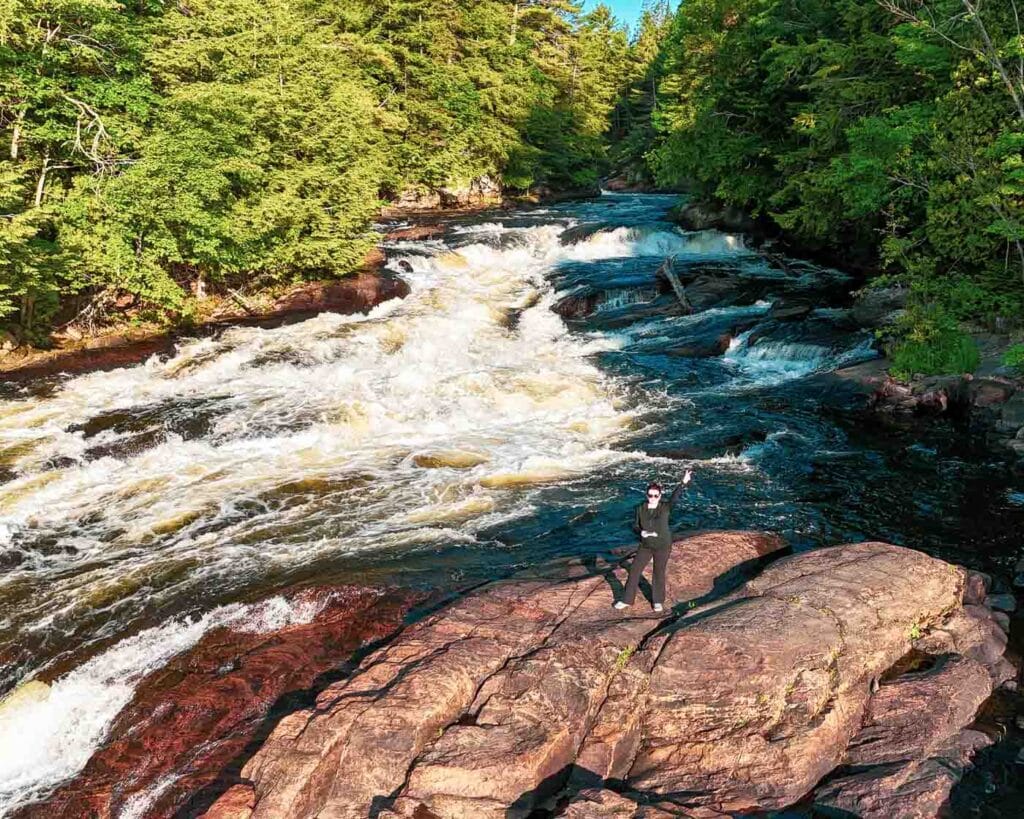
If you plan to hike, ski, or explore remote areas, check weather conditions and trail closures in advance. Cell service can be patchy in more rural regions, so download offline maps and let someone know your route if heading out on your own.
911 is the emergency number for police, fire, and medical help across Canada. For non-urgent health issues, you can also visit a walk-in clinic or ask your hotel to help locate nearby care.
Solo Travel in Quebec
Quebec is a great destination for solo travelers, especially if it’s your first solo trip. The cities are walkable, public transportation is easy to navigate, and people are generally welcoming and helpful.
Solo travelers will find plenty of guided tours, food experiences, and day trips that don’t require a car — plus safe, comfortable places to stay across all budgets. French is the main language, but English is widely understood in urban and tourist areas. It’s helpful to learn a few polite phrases, but not essential for getting around.
In rural areas, solo travel is still very doable, but transportation options may be more limited. Renting a car offers the most flexibility if you’re planning to explore beyond the cities.
Day Trips & Unique Experiences
If you’re looking for guided day trips in Quebec, I recommend Viator, Get Your Guide, and Airbnb Experiences, which aggregate tours from local tour operators. I’ve used all three and appreciate being able to read reviews and book and manage my reservations online with these sites.