
Sri Lanka’s history stretches back over 2,500 years, shaped by ancient kingdoms, global trade, and colonization.
The island was home to powerful Sinhalese Buddhist dynasties, whose legacy remains in the grand ruins of Anuradhapura and Polonnaruwa. Alongside this, the Tamil culture was deeply rooted in the northern and eastern regions, as seen in Hindu temples, rituals, and festivals.
Positioned along the Indian Ocean’s trade routes, Sri Lanka drew merchants from Arabia, India, and Southeast Asia long before Portuguese, Dutch, and British colonizers left their mark. Today, the island is a blend of ancient tradition and modern development, where centuries-old temples and colonial forts stand alongside bustling markets and scenic railways.
Read on for Sri Lanka travel tips and to browse all of my Sri Lanka guides at the end.
Top Experiences in Sri Lanka
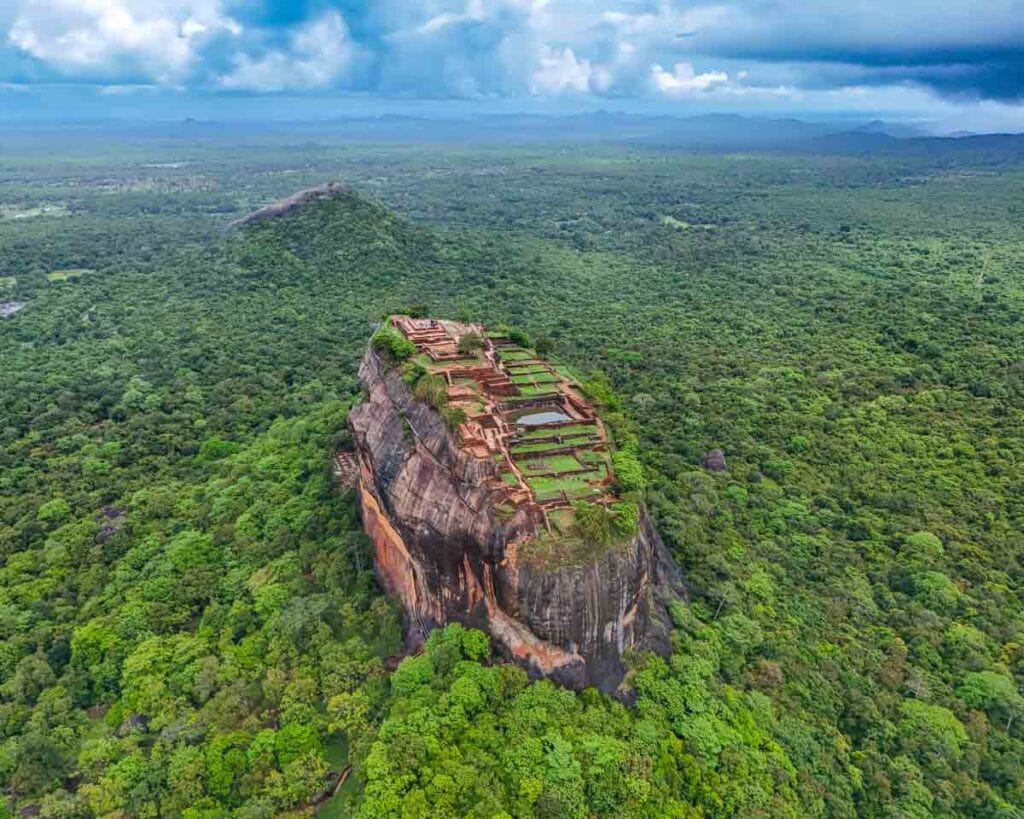
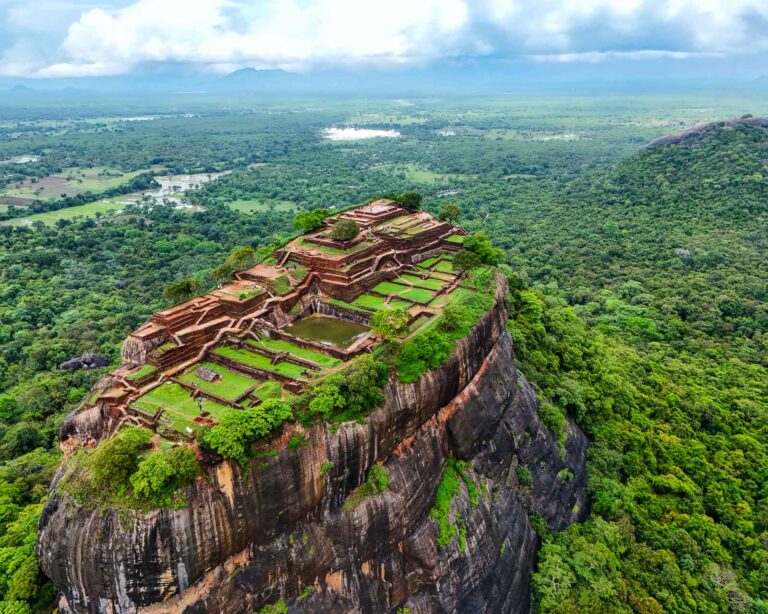
- Climb Sigiriya Rock Fortress for panoramic views and ancient frescoes.
- Ride the scenic train from Kandy to Ella, passing through tea plantations and misty hills.
- Explore the ancient cities of Anuradhapura and Polonnaruwa, filled with centuries-old stupas and ruins.
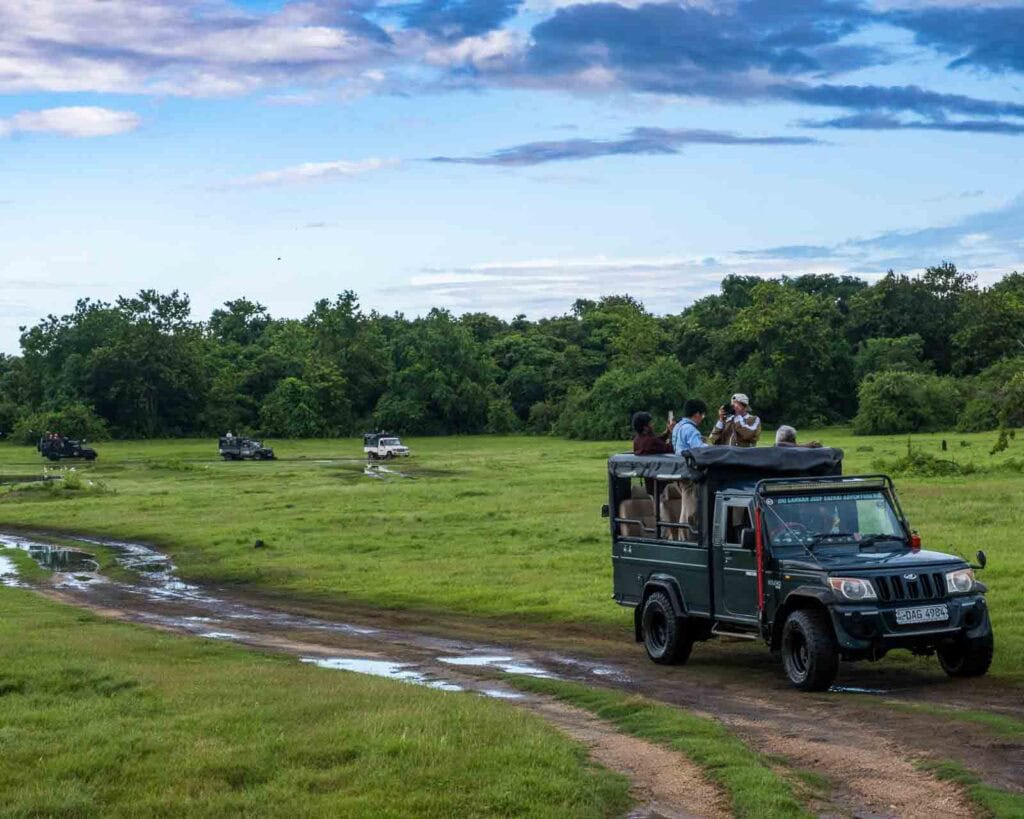
- Go on a safari in Yala or Udawalawe National Park to spot elephants, leopards, and other wildlife.
- Relax on the beaches of Mirissa, Unawatuna, or Arugam Bay, perfect for swimming, surfing, or whale watching.
- Visit a tea plantation in Nuwara Eliya and learn about the island’s renowned Ceylon tea.
- Take a boat to Delft Island or Nainativu in the north to experience the Tamil culture and history of Jaffna.
- Hike to Ella Rock or Little Adam’s Peak for sunrise views.
- Explore Galle Fort, a UNESCO World Heritage site with colonial architecture, boutique shops, and charming cafes.
- See the elephant gathering at Minneriya or Kaudulla National Park during the dry season.
- Enjoy Ayurvedic treatments, yoga, and wellness retreats, blending traditional healing practices with relaxation.
Click on the pins below to see my articles for each region.
If you see this after your page is loaded completely, leafletJS files are missing.
Sri Lanka Booking Resources
Need the best booking resources for your itinerary? Check out these links and read on for more detailed tips.

Sri Lanka Country Facts
🏝️ The country was called Ceylon until 1972, when it became known as Sri Lanka (“prosperous island”)
🇱🇰 After Portuguese and Dutch colonization, Sri Lanka became independent in 1948 after 150 years of British rule
🏛️ The island is divided into 9 provinces surrounded by Indian Ocean; the administrative capital is Colombo.
👥 The 22 million population is made up of three primary ethnic groups, which generally follow language and religious lines: 70% Sinhalese (Buddhist), 13% Tamil (Hindu), and 10% Muslim. There are also 7% Christians.
🌊 Top things to do: beaches and surfing, temples and ancient historical sites, safaris to see elephants and leopards in the wild, hiking, whale watching, tea plantations.
🏨 Hotels in Sri Lanka range from budget backpacker stays to jungle lodges and 5-star resorts with very high hospitality standards
🐘 The country is still rebuilding from the 26-year Sri Lankan Civil War, which began in 1983 and ended in 2009, as well as the 2004 Indian Ocean tsunami.

Best Time to Visit Sri Lanka
Sri Lanka’s climate is influenced by two monsoon seasons, making it unique compared to many destinations. The best time to visit depends on which part of the island you plan to explore, as different regions experience distinct weather patterns throughout the year.
West and South Coasts + Hill Country
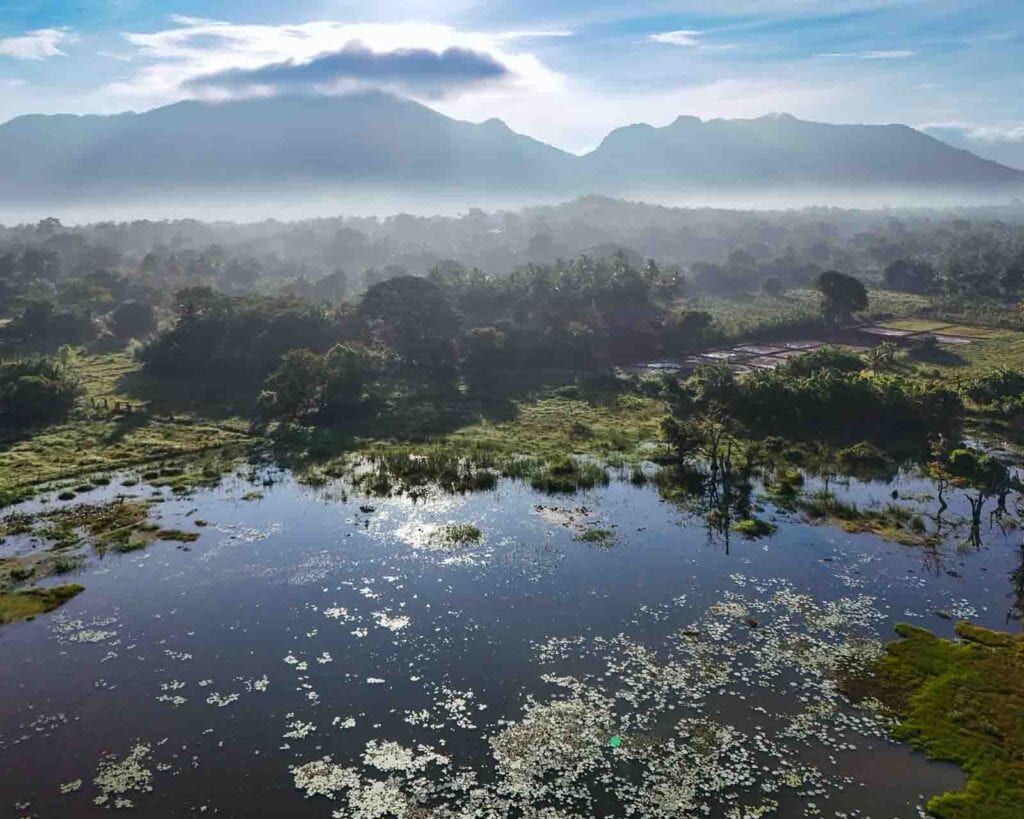
The best time to visit the west and south coasts, as well as the central hill country, is from December to March. During these months, places like Galle, Mirissa, Unawatuna, and Colombo enjoy dry weather, ideal for beach days and coastal exploration. It’s also the perfect season for hiking in Ella or exploring Kandy’s cultural sites without the disruption of heavy rains.
The southwest monsoon, known as the Yala monsoon, hits this region between May and September, bringing heavy rainfall and rough seas. While travel is still possible, outdoor activities and beach visits might be limited during this time.
East Coast and Northern Sri Lanka
If you’re heading to the east coast, including destinations like Trincomalee, Arugam Bay, and Batticaloa, the best time to visit is from April to September. The east coast experiences its dry season while the rest of the island is wet, making it a great alternative during the southwest monsoon. Arugam Bay is especially popular during these months for surfing.
The northeast monsoon, or Maha monsoon, affects the northern and eastern regions from October to January, bringing rain and cooler temperatures.
Shoulder Seasons
The months of October and November, as well as April, are considered shoulder seasons when weather patterns can be unpredictable. However, these months can also offer fewer crowds, lower prices, and pleasant conditions depending on the region. It’s a good time for those looking to avoid peak tourist seasons while still enjoying much of what Sri Lanka has to offer.
Festivals to Consider
When planning your visit, consider Sri Lanka’s vibrant festivals, which can enhance your experience. The Sinhala and Tamil New Year in April is celebrated nationwide with food, games, and traditions. The Esala Perahera in Kandy, held in July or August, is one of the country’s most significant Buddhist festivals, featuring processions with dancers, drummers, and beautifully adorned elephants. Visiting during festival times can be rewarding but also means booking accommodations well in advance.
Summary
- December to March: Best for west and south coasts, hill country.
- April to September: Best for east coast and northern regions.
- October to November, April: Shoulder seasons with mixed weather but fewer tourists.
- Festival months: April (New Year), July/August (Esala Perahera).
Getting to Sri Lanka

Most international travelers arrive in Sri Lanka through Bandaranaike International Airport (CMB), located about 30 kilometers north of Colombo. The airport serves direct flights from major cities in Europe, the Middle East, and Asia, with carriers like SriLankan Airlines, Qatar Airways, Emirates, and Singapore Airlines offering regular routes. Flights from London take around 11 hours, while Dubai is just a 4-hour journey.
Visa Requirements
Visitors to Sri Lanka need an Electronic Travel Authorization (ETA), which can be obtained online before arrival. The process is straightforward, with most applications approved within a few days. A standard tourist visa allows a stay of up to 30 days, with options to extend while in the country. Fees vary depending on your nationality, so it’s best to check the official ETA website for the latest information.
Update: From Sri Lanka Tourism, the online ETA portal has been deactivated until further notice. Tourists can obtain visas through Sri Lanka diplomatic missions or on arrival at the port of entry and the visa fee will remain the same. Find this information in their site’s news articles or this PDF link from their site.
Health Information
Before you travel, make sure you’re up-to-date on routine vaccines and any required vaccinations for entry. Travel with basic over-the-counter medications and a first-aid kit, especially if traveling to more remote areas.
It’s strongly suggested to drink only bottled water during your Sri Lanka trip, or use a filtration or water treatment method. Get more health advice for travel to Sri Lanka from your country’s guidance for travelers or these below.
U.S. CDC Traveler’s Health for Sri Lanka | NHS UK “Fit For Travel” to Sri Lanka
Airport Transfers
From the airport, you can reach Colombo by taxi, ride-hailing apps like PickMe, or pre-arranged transfers through your accommodation. A taxi ride to the city center takes about an hour, depending on traffic, and costs between $20–$30 USD. Budget travelers can also take an airport bus to Colombo Fort, the city’s main transport hub.
Getting Around Sri Lanka
Traveling around Sri Lanka is an adventure in itself, with multiple transport options that suit different budgets and schedules.
Trains
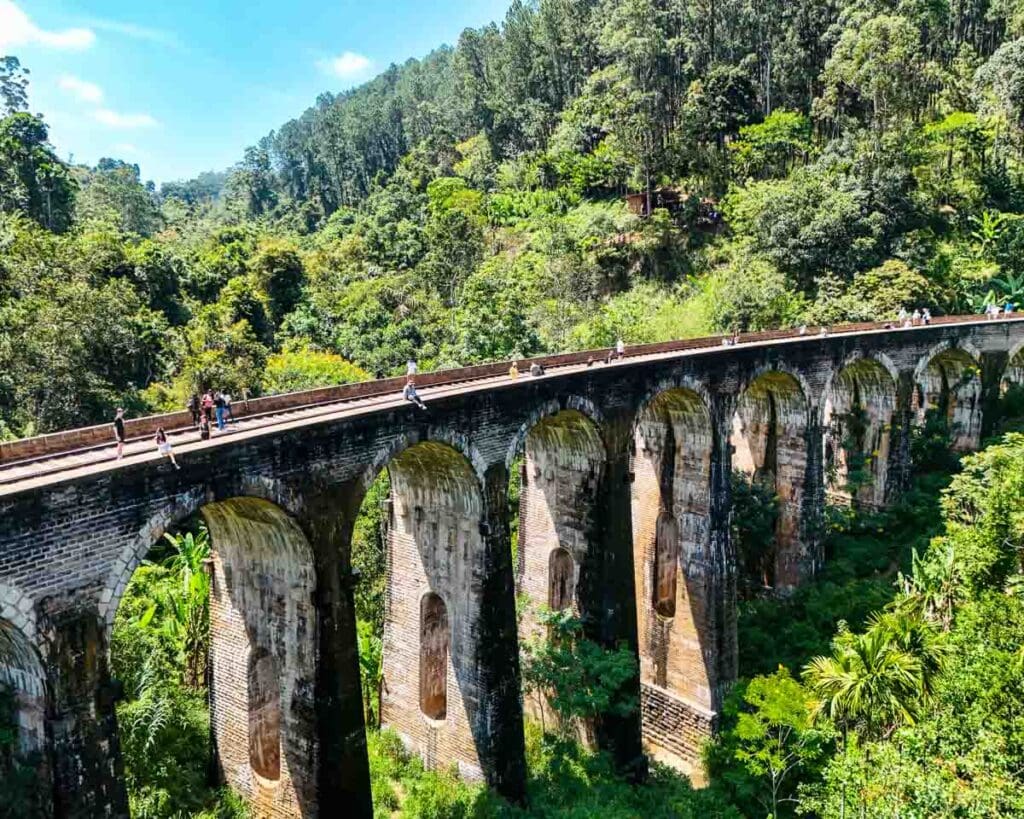
Sri Lanka’s rail network is an experience every traveler should try, especially the scenic routes through the central highlands. The journey from Kandy to Ella is famous for its views of tea green plantations and mist-covered mountains. Trains can be slow and crowded, but they’re affordable and offer a unique way to see the countryside.
- Booking Tickets: Reserve tickets in advance, especially for popular routes. First-class seats and observation decks sell out quickly. Tickets can be booked online, through travel agents, or directly at railway stations.
- Classes of Service: First-class offers air-conditioning and reserved seats, while second and third-class provide a more local experience, often with open windows and crowded carriages.
Book trains: Routes and tickets on 12Go | Sri Lanka Railways direct
Buses
Buses are the most affordable way to get around, with extensive coverage across the island. Government-run Sri Lanka Transport Board (SLTB) buses and private buses operate on almost every route, from long-distance journeys to short local trips. Be prepared for crowded conditions and varying levels of comfort, especially on local buses.
Book buses: Routes and tickets on 12Go
Tuk-Tuks
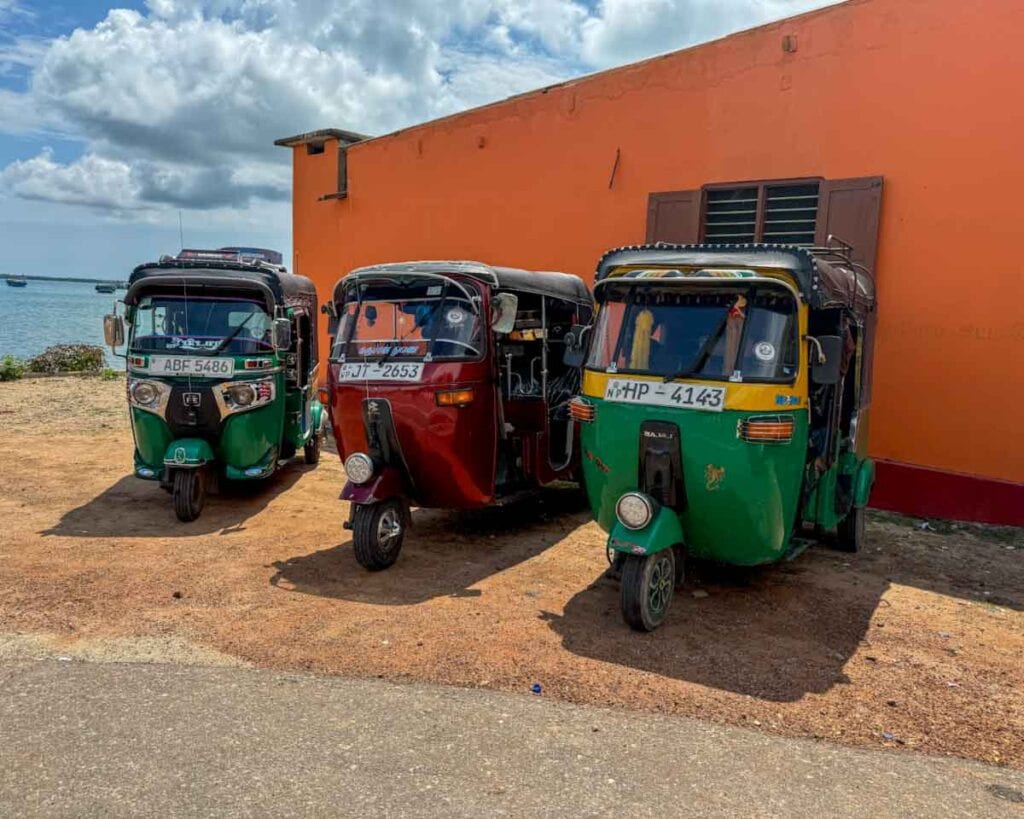
For short distances within cities or towns, tuk-tuks are a convenient option. Always agree on a price before starting your journey or use the PickMe app (Sri Lanka’s version of Uber) in cities like Colombo, Kandy, and Galle to ensure fair pricing.
It’s also possible to rent a tuk-tuk during your stay — I plan to do this for my next trip! Many travelers use TukTukRental.com because they offer a driving lesson to get you started, as well as the option for them to obtain your International Driver’s License. While I wouldn’t recommend this in busy cities, having your own vehicle offers a lot more freedom to explore.
Taxis and Ride-Hailing Apps
In urban areas, taxis and ride-hailing services like PickMe and Uber are available in major cities. They’re more expensive than buses but offer a comfortable and hassle-free option for longer distances within cities.
In some locations, PickMe can also be used to hail a tuk-tuk. Try to order one from a location away from other tuk-tuk drivers, though, to avoid conflicts between drivers.
Private Drivers and Car Rentals
Hiring a private driver is a popular choice for those wanting flexibility without the stress of navigating Sri Lanka’s roads. Rates vary based on the vehicle type and length of hire, but a daily rate typically ranges from $50–$70 USD, including fuel and driver fees.
Car rentals are available, but driving in Sri Lanka can be challenging due to road conditions, traffic, and different driving norms. (Cars drive on the left in Sri Lanka.) Most visitors opt for a car with a driver instead.
Book a private driver in Sri Lanka
Domestic Flights
For those short on time, domestic flights connect Colombo with destinations like Jaffna, Batticaloa, and Hambantota. Airlines like Cinnamon Air offer daily flights, though prices are significantly higher than other forms of transport.
Ferries and Boats
While not as common for general travel, boat services are available to offshore islands like Delft Island in the north. Ferry services may also become more frequent in the future as Sri Lanka develops its maritime infrastructure.
Top Destinations in Sri Lanka
Sri Lanka offers a wide range of destinations, from ancient ruins and bustling cities to wildlife reserves and coastal towns. Here are some of the top places to explore across the island.
Colombo
The island’s commercial capital is often overlooked, but Colombo offers a mix of colonial architecture, modern skyscrapers, and lively markets. Spend time at Pettah Market for street food and shopping, visit the Gangaramaya Temple, take in views of the city from Lotus Tower, or relax at Galle Face Green as locals gather in the evenings.
Kandy
Nestled in the central hills, Kandy is home to the sacred Temple of the Tooth Relic, one of the most important Buddhist sites in the country. The city also offers beautiful views around Kandy Lake and a vibrant cultural scene, including traditional dance performances. It’s a great base for exploring nearby tea plantations and botanical gardens.
Sigiriya
One of Sri Lanka’s most iconic landmarks, Sigiriya Rock Fortress rises 200 meters above the surrounding plains. The climb to the top is rewarded with panoramic views and well-preserved frescoes. Nearby, the ancient city of Dambulla is known for its cave temples filled with Buddhist murals and statues.
Polonnaruwa and Anuradhapura
These two ancient cities form the heart of Sri Lanka’s Cultural Triangle. Polonnaruwa, a UNESCO World Heritage site, boasts well-preserved ruins of palaces, temples, and statues. Anuradhapura is known for its massive dagobas (stupas), ancient pools, and the Sri Maha Bodhi, a sacred fig tree believed to be the oldest recorded tree in the world.
Minneriya and Kaudulla National Parks
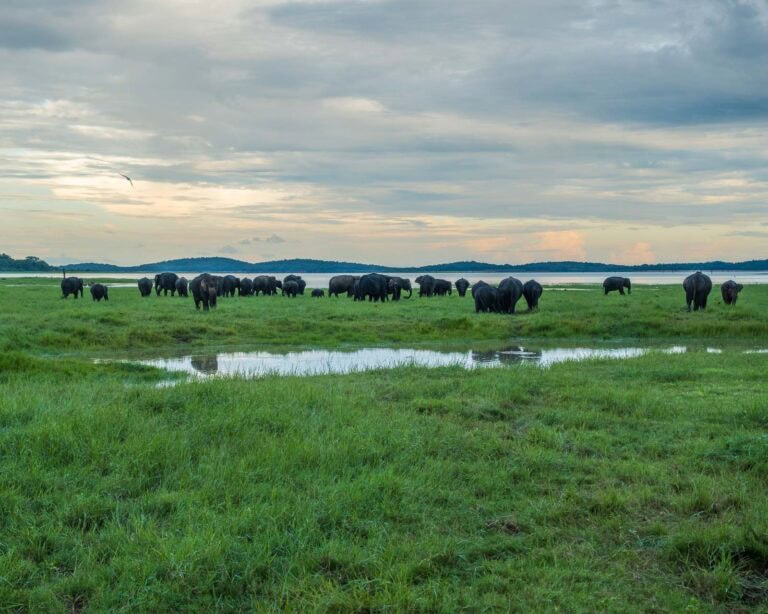
Located near Sigiriya and Polonnaruwa, these parks are famous for the “Gathering” of elephants, one of the largest seasonal elephant gatherings in the world. From July to October, hundreds of elephants congregate around Minneriya’s water reservoir, offering unforgettable safari experiences. In September, the herds begin to move to Kaudulla in search of more water and food. Both parks also provide a chance to spot deer, crocodiles, and various bird species year-round.
Ella
A small town surrounded by hills and tea plantations, Ella is popular for hiking and relaxation. The trek to Ella Rock or the shorter hike to Little Adam’s Peak offers stunning views. Don’t miss the chance to walk across the Nine Arches Bridge, an architectural marvel set amidst lush greenery.
Nuwara Eliya
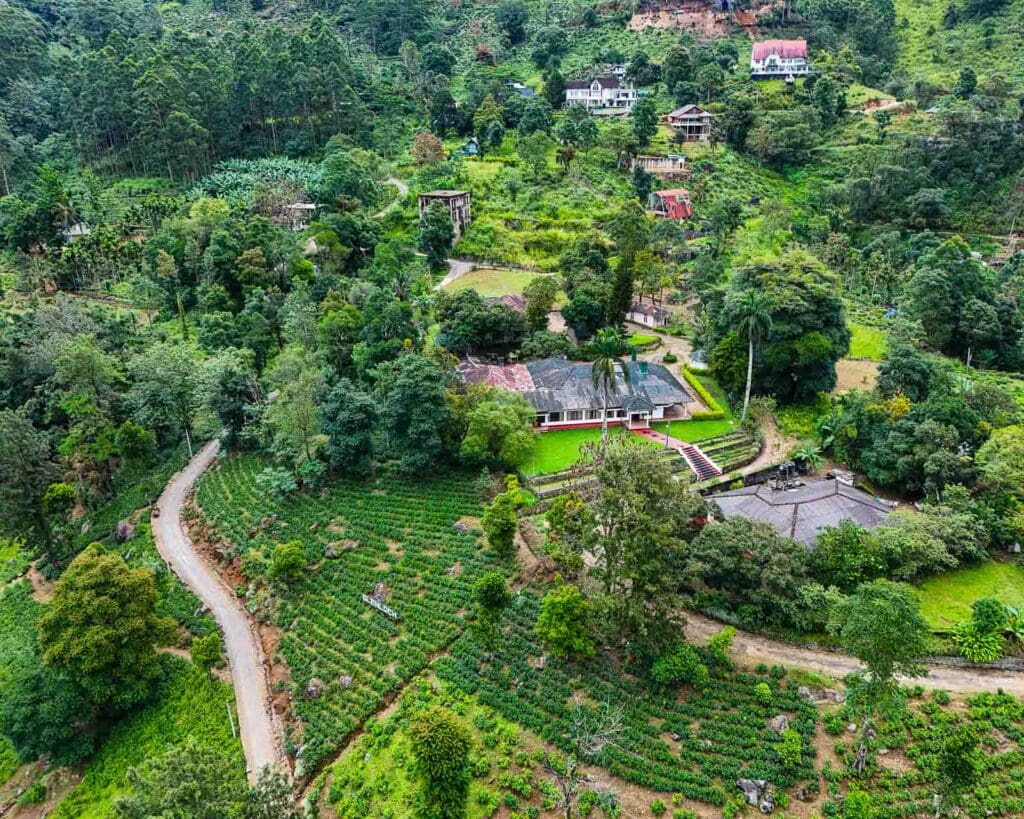
Often called “Little England” for its colonial-era buildings and cool climate, Nuwara Eliya is the heart of Sri Lanka’s tea country. Visit a tea plantation, take a stroll around Gregory Lake, or explore the well-maintained Hakgala Botanical Gardens.
Galle
The historic Galle Fort, a UNESCO World Heritage site, reflects the island’s colonial past through its cobbled streets, Dutch-era architecture, and old churches. Within the fort, you’ll find boutique hotels, shops, and cafes. Galle is also a short drive from popular beach towns like Unawatuna and Hikkaduwa.
Mirissa and Unawatuna
For beach lovers, the south coast offers golden sands and clear waters. Mirissa is known for whale watching, especially from November to April, while Unawatuna is perfect for swimming, snorkeling, and laid-back beachside cafes.
Jaffna
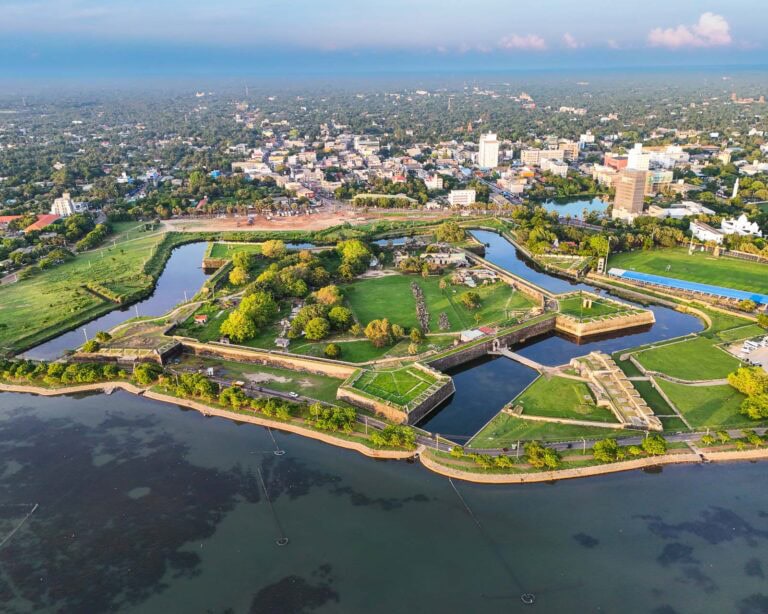
In the northernmost part of Sri Lanka, Jaffna offers a deep dive into the island’s Hindu Tamil culture. Visit the colorful Nallur Kandaswamy Temple, explore the colonial Jaffna Fort, and take a boat to Nainativu Island, home to both Hindu and Buddhist pilgrimage sites. Jaffna’s cuisine, especially its unique take on crab curry, is a highlight for food enthusiasts.
Yala and Udawalawe National Parks
For wildlife enthusiasts, Yala National Park is the best place to spot leopards, elephants, and sloth bears. Udawalawe, known for its large elephant population, offers safaris that guarantee sightings of these gentle giants, along with a variety of birds and reptiles.
Practical Travel Tips for Sri Lanka
Knowing what to expect in Sri Lanka can make your trip smoother. Here are some tips to help you prepare.
Currency and Money
The currency is the Sri Lankan Rupee (LKR). ATMs are available in most cities and tourist areas, but rural regions may have limited access. Credit cards are accepted in hotels, restaurants, and larger shops, but smaller establishments often prefer cash.
- Tip: Carry small bills for tuk-tuks, tips, and local shops. Exchange money in cities for better rates than at the airport.
Language
Sinhala and Tamil are the official languages, but many people in tourist areas speak basic English. Learning a few local phrases can help with daily interactions. Useful phrases:
- Hello: Ayubowan (Sinhala) / Vanakkam (Tamil)
- Thank you: Bohoma istuti (Sinhala) / Nandri (Tamil)
- How much?: Kiyeda? (Sinhala) / Evvalavu? (Tamil)
Safety Tips
Sri Lanka is generally safe, but take precautions in crowded areas.
- Agree on prices before taking tuk-tuks or use apps like PickMe.
- Drink bottled or filtered water. Avoid ice unless you’re sure it’s from purified water.
- Use mosquito repellent to prevent dengue, especially in wet seasons.
- See below for more tips for solo women travelers.
Cultural Etiquette
Respect local customs, especially at religious sites.
- Dress modestly when visiting temples, covering shoulders and knees. Remove hats and shoes before entering.
- Public displays of affection are uncommon, particularly in rural areas.
- A traditional greeting is done with hands clasped together and a slight bow, though handshakes are common in business settings.
Connectivity and SIM Cards
Wi-Fi is available in most hotels and cafes, but speeds vary. A local SIM card is the best way to stay connected. Dialog and Mobitel offer reliable coverage and affordable data plans.
- Tip: Buy a SIM card at the airport or local stores with your passport for registration.
Power Outlets
Sri Lanka uses plug types D (India) and G (same as the UK), with a 230V supply. Some large appliances use Type M. A universal adapter is recommended, especially for travel across different areas.
Tipping
Tipping is appreciated but not mandatory. In restaurants, 5-10% is standard if a service charge isn’t included. For tuk-tuks, round up the fare. Hotel staff often expect small tips for services like luggage handling and housekeeping. It’s customary to tip tour guides and safari guides.
For a driver, the customary tip is $5-10 a day, depending on group size. For a driver/guide, $10-15 a day is customary or more for a larger group.
Sustainability Tips
Help protect Sri Lanka’s environment by avoiding single-use plastics, carrying a reusable water bottle, and supporting eco-friendly businesses. Choose ethical wildlife experiences like safaris and avoid attractions that exploit animals, such as elephant rides and elephant orphanages.
Tourist Scams in Sri Lanka
Most experienced travelers have encountered tourist scams in their travels! Here are some common situations for travelers to Sri Lanka to look out for.
Financial Scams
- Credit card fraud & ATM skimming: Use cash whenever possible or ensure your card is always in sight when making payments. If Apple Pay or Google Pay are available, use them to reduce the chance of skimming: they create a token rather than sharing your card number. Avoid ATMs in isolated areas and check for skimming devices before inserting your card. Cover the keypad when entering your PIN.
- Currency exchange scams: Try to use only authorized money changers or banks. Always count your money before leaving the counter and confirm the exchange rate beforehand. I use the currency app “Xe” to check exchange rates.
- Romance and employment scams: Be cautious of using dating apps and employment websites abroad as travelers can be targeted by scammers.
Tuk-Tuk and Taxi Scams
- Fake meter or overcharging: Some tuk-tuk drivers claim their meter is broken and charge inflated prices using third-party apps. If a tuk-tuk has no meter, agree on a price before the ride starts and try to have exact change.
- “Special” tours or gem shop scams: Some tuk-tuk or taxi drivers offer “exclusive” festival access or gem store visits, pressuring tourists into overpriced purchases. Politely decline and avoid shops recommended by drivers.
- Ride-hailing apps: Use apps like PickMe or Uber for clear pricing, but try to designate a meeting spot away from taxi stands to avoid conflicts between drivers.
Street Hustles & Theft
- Snatch-and-grab thefts: Though violent crime against tourists is rare, petty theft can happen. Keep bags secure, avoid displaying valuables, and be cautious in crowded areas.
- Fake tour guides and “helpful strangers”: Around major attractions, individuals may offer unsolicited guidance or demand a tip after assisting you. At major historical and cultural sites licensed guides are often available near the ticket counters or designated guide areas. They should have a photo ID card issued by the Sri Lanka Tourism Development Authority that includes their designation (National Guide, Chauffeur Guide, or Site Guide).
Rental Scams
- Damage claims: Some surf shops falsely claim renters damaged boards and demand excessive fees. Before renting, take photos of the board to document its condition.
Solo Travel for Women in Sri Lanka
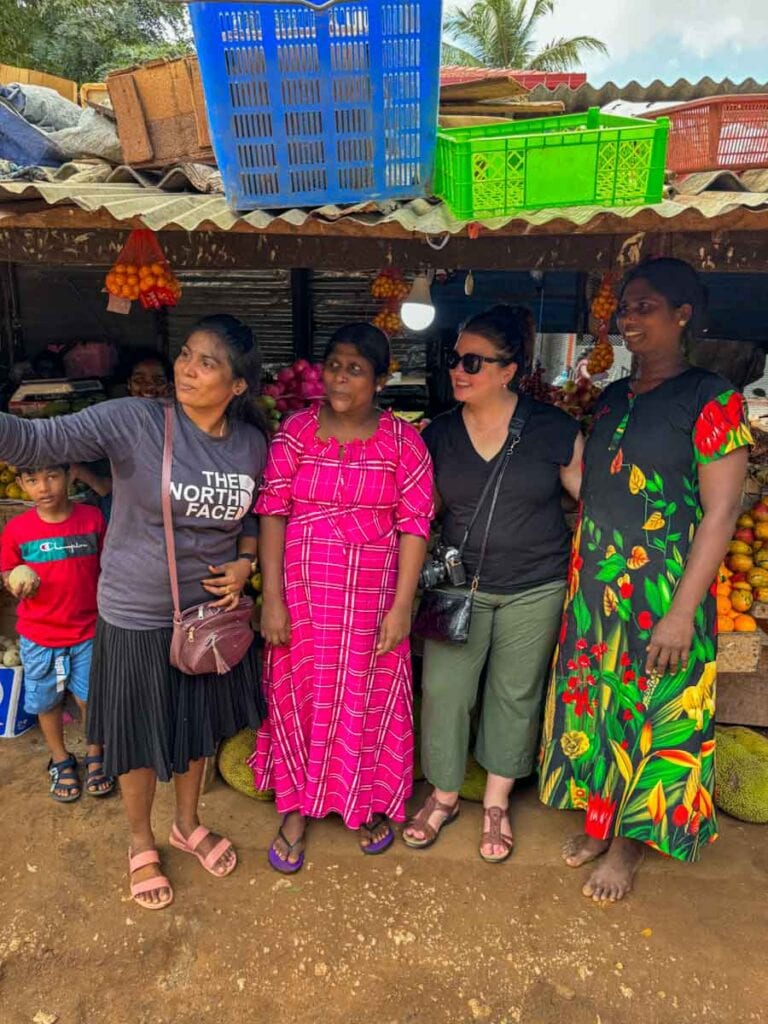
Sri Lanka is generally safe for solo female travelers, but some women traveling alone experience unwanted attention, especially in tourist areas or when traveling on public transit. The tourism industry in Sri Lanka has grown significantly in recent years and remains a developing sector with ongoing cultural and social challenges.
While I hope you don’t experience any issues when traveling, I’m including tips to help solo women navigate situations that might arise.
Solo Travel Safety Tips
- Chose solo-friendly accommodations: Search reviews for words like “solo” for insights from other similar travelers. Look for options that have a restaurant in case you don’t feel like going out at night. Some might also offer assistance with arranging tours and tuk-tuks.
- Dress following local customs: Outside of beach towns, covering shoulders and knees may help reduce stares and unwanted interactions.
- Anticipate attention: In busy tourist areas, men may repeatedly offer tuk-tuk rides, tours, or shopping stops. (This is true for all travelers, but might be more exaggerated with solo women.) Staring and cat-calling can also be common on busy streets and beaches. A firm “No” or ignoring them and moving away works best.
- Avoid walking alone at night: Stick to well-lit areas, use ride-hailing apps like PickMe, and avoid empty streets and beaches at night.
- Be cautious on public transport: Buses and trains get crowded. Use women-only train compartments when available or sit near families or other women.
- Assert your boundaries: Decline unwanted attention or services firmly rather than a polite excuse (such as “No, I’m not interested” or “No, I can manage, thank you”). If someone is too close, place a physical barrier like a bag between you, or say “I need some space, thank you” (repeat louder if necessary — the social pressure of attention from others can help).
- Trust your instincts: If a situation feels uncomfortable, leave immediately. If someone is being overly persistent, walking into a nearby shop, hotel, or crowded area provides a quick exit.
Travel Options for Added Security
- Join a guided small group tour: Traveling with a group can remove the stress of coordinating transport and daily activities. I’ve found that in some developing tourism destinations like Sri Lanka, a small group also allows me to experience the country more openly. See my tour recommendations below.
- Book day tours online: Use a site like Viator or Get Your Guide to read reviews and join other travelers.
- Stay in hostels: Hostels can help you connect with other travelers as travel buddies and to split costs for tuk-tuks, safaris, and day trips.
- Ask for tips or help from your accommodation: Ask about safety in the local area and for advice on booking local experiences.
- Travel with a personal alarm: Although I’ve never had to use it, I travel with a “She’s Birdie” keychain alarm that has a loud siren and strobe light.
Additional Resources
- The Culture Crossing Guide has information on many aspects of culture and interactions in Sri Lanka.
- The US Department of State Sri Lanka Travel Information page includes safety and security information as well as tips for women travelers.
What to Eat in Sri Lanka
Sri Lankan cuisine is flavorful, often spicy, and deeply rooted in local ingredients and cultural influences. Here are some dishes you shouldn’t miss.
Rice and Curry
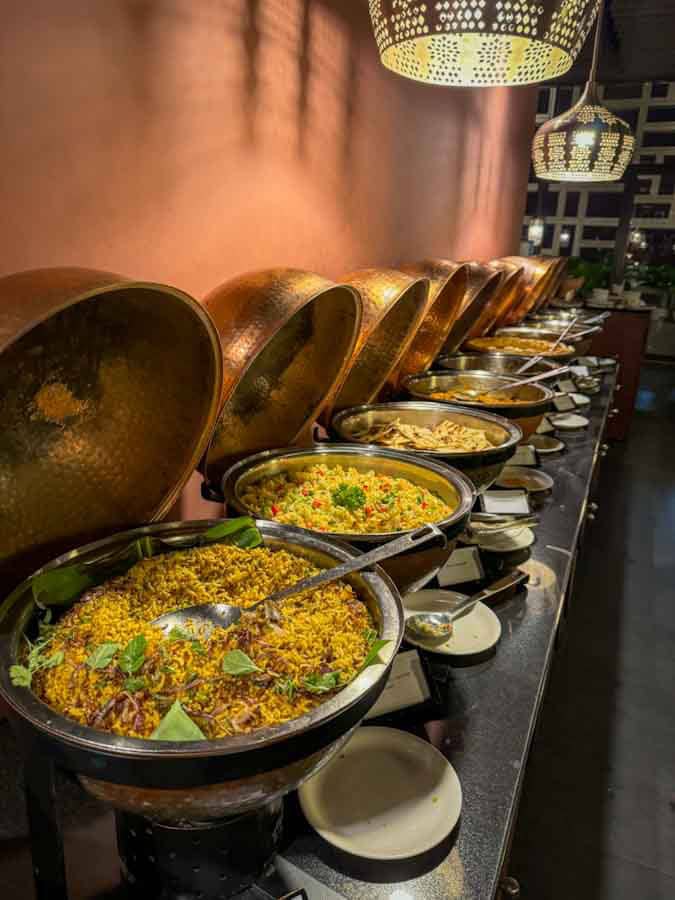
A staple meal in Sri Lanka, rice is served with an array of curries made from vegetables, meat, or seafood. Curries are rich in spices like cinnamon, cardamom, and cloves, often cooked in coconut milk for a creamy texture. Expect a variety of sides, including sambols (spicy relishes), pickles, and crispy papadums.
Hoppers (Appa)
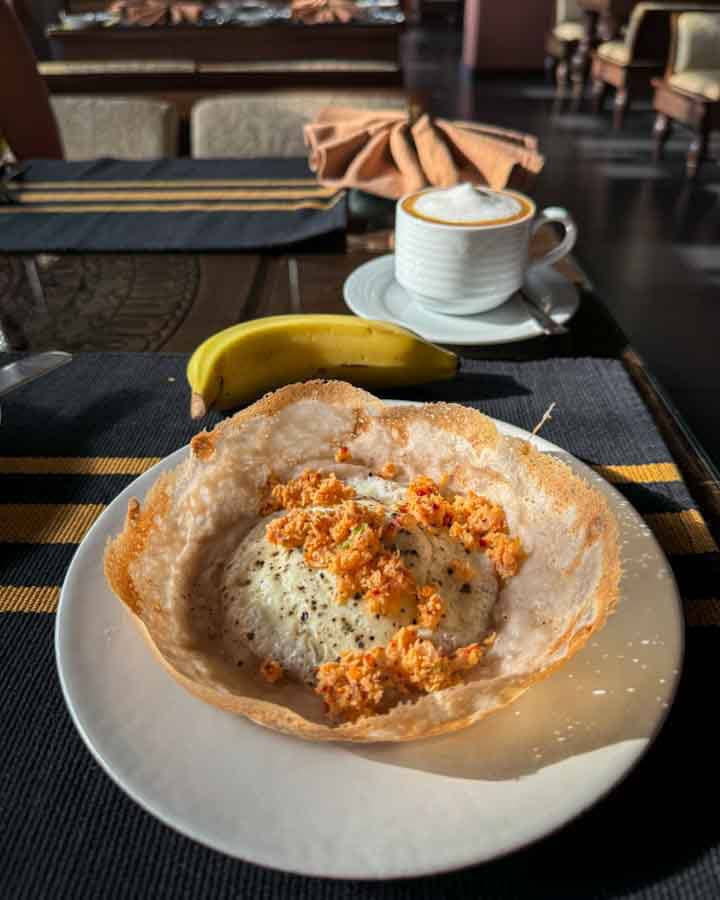
Hoppers are bowl-shaped pancakes made from fermented rice flour and coconut milk. A plain hopper is crispy around the edges and soft in the center, often served with sambol or curry. Egg hoppers, with an egg cooked in the center, are a popular breakfast choice.
Kottu Roti
A street food favorite, kottu roti is made by stir-frying shredded flatbread with vegetables, eggs, and meat, all chopped and mixed on a hot griddle. The rhythmic clanging of metal spatulas cutting through the roti is a familiar sound in Sri Lankan towns at night.
String Hoppers (Idiyappam)
String hoppers are thin noodles made from rice flour, steamed into small circular shapes. They are typically served with curry or coconut sambol, making for a light but satisfying meal.
Seafood
With its long coastline, Sri Lanka offers a variety of fresh seafood. Crab curry, especially in places like Jaffna and Negombo, is a must-try. Grilled fish, prawns, and cuttlefish are commonly found in coastal towns, often prepared with local spices and served with rice or bread.
Snacks and Street Food
Try samosas, deep-fried pastries filled with spiced potatoes, meat, or vegetables, and vadai, savory lentil fritters often served with chutney. For something sweet, look for kokis (crispy fried rice flour snacks) or kiribath (milk rice), a traditional dish made for special occasions.
Drinks
Cool off with a king coconut—a bright orange coconut sold by street vendors, perfect for hydration. Sri Lanka’s famous Ceylon tea is best enjoyed in the hill country, while a local beer like Lion Lager is a refreshing choice after a long day of exploring.
Where to Stay in Sri Lanka
Accommodation in Sri Lanka ranges from budget-friendly hostels to luxury hotels, offering options for every type of traveler. Here’s what to consider when choosing where to stay.
Budget Accommodation
Backpacker hostels and guesthouses are common in cities like Colombo, Kandy, and Ella, as well as along the southern coast. Many offer dorm rooms, simple private rooms, and communal spaces, with prices starting as low as $10 USD per night.
- Tip: Guesthouses are often family-run, offering home-cooked meals and local travel advice, making them a great choice for an authentic experience.
Mid-Range Hotels and Boutique Stays
For more comfort without breaking the bank, mid-range hotels and boutique guesthouses are widely available. In places like Galle Fort, you’ll find restored colonial buildings turned into charming boutique hotels, while Ella and Nuwara Eliya offer cozy lodges surrounded by nature. Expect clean, comfortable rooms with amenities like Wi-Fi, air conditioning, and pools, often priced between $30-$150 USD per night.
Luxury Hotels and Resorts
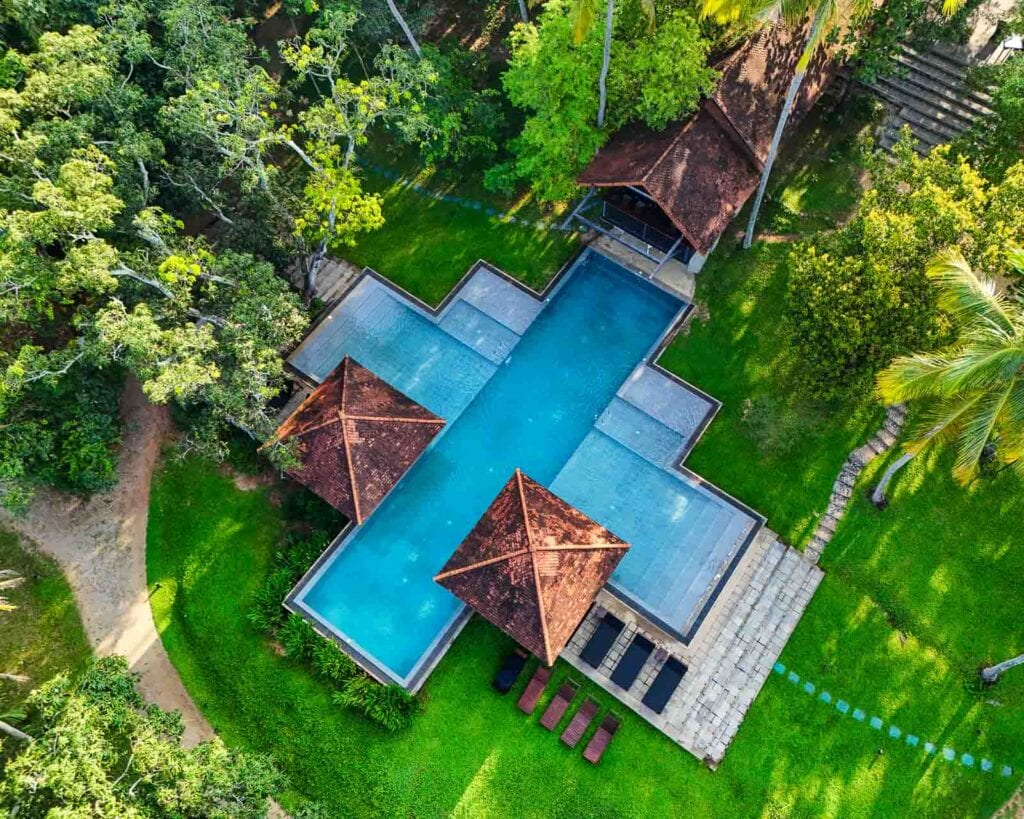
Sri Lanka’s luxury hotels range from beachside resorts to secluded retreats in the hills. Top-tier options like Lunuganga, Cape Weligama, and Ulagalla Resort offer stunning views, personalized service, and top-notch amenities. Safari lodges near Yala and Udawalawe provide unique stays with guided wildlife experiences. Prices for luxury stays typically start at $150 USD per night and can go much higher, especially during peak season.
Unique Stays
Sri Lanka also offers unique accommodation experiences. Spend a night in a restored colonial tea bungalow in Nuwara Eliya, a treehouse in the jungle near Sigiriya, or a beachfront cabana in Arugam Bay. Eco-lodges are also popular, especially in areas like Sinharaja Rainforest, for those looking to stay close to nature.
Booking Tips
Accommodation fills up quickly during peak seasons, especially in tourist hotspots. Book early for popular destinations like Ella, Mirissa, and Sigiriya. Platforms like Booking.com and Agoda are commonly used, but many guesthouses prefer direct bookings through WhatsApp or email, often offering better rates.
Restaurants in Sri Lanka Hotels
Many travelers in Sri Lanka opt for half-board or full-board options at their hotels, especially in regions where tourist-class restaurants are limited.
These meal plans simplify travel logistics by including breakfast, and often lunch or dinner, allowing travelers to focus on exploring without worrying about finding suitable dining options each day. The quality of food at upscale hotels ensures that guests enjoy consistently excellent meals, adding to the overall ease and comfort of their trip.
Hotel Chains in Sri Lanka
Sri Lanka is home to several well-known hotel chains that offer reliable service, modern amenities, and convenient locations across the island. I’ve stayed at all three of these brands below and can recommend them for great service, top amenities, and a comfortable stay.
Jetwing Hotels
Jetwing Hotels are known for their eco-friendly practices and luxurious properties in scenic locations, including beachfront resorts in Negombo and boutique stays in the hills of Nuwara Eliya. Guests choose Jetwing for its sustainability initiatives, personalized service, and top-notch facilities like infinity pools, spas, and fine dining restaurants. Jetwing’s in-house restaurants serve high-quality local and international cuisine, making it easy for travelers to enjoy excellent meals without leaving the property.
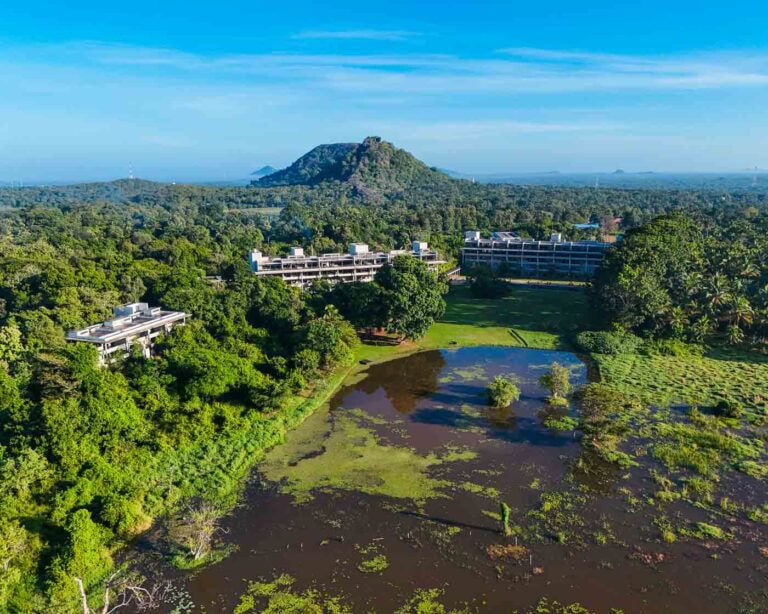
I’ve stayed at Jetwing Jaffna, Jetwing Lake in Dambulla, and Jetwing Kaduruketha in Wellawaya, and recommend all three for their comfy rooms, great restaurants, and friendly service.
Read my full review of Jetwing Lake in Dambulla ⫸
Cinnamon Hotels & Resorts
Cinnamon Hotels & Resorts offer a wide range of accommodation, from city hotels in Colombo to beach resorts in Bentota and wildlife lodges near Yala National Park. Known for comfort and convenience, Cinnamon properties feature spacious rooms, multiple dining options, wellness centers, and family-friendly amenities. Their restaurants are well-regarded for varied menus, including authentic Sri Lankan dishes and international fare, making them a reliable choice when tourist-class dining options are limited in some areas.
I was one of the first guests at the new Cinnamon Life at City of Dreams in Colombo and it was the perfect place to adjust to the time difference and begin exploring the city. Their buffet restaurant (for both breakfast and dinner) and wine bar are fantastic!
Heritance Hotels
Heritance Hotels are celebrated for their unique architecture and cultural heritage. Heritance Kandalama, designed by renowned Sri Lankan architect Geoffrey Bawa, blends into the surrounding landscape near Sigiriya, while Heritance Tea Factory offers a stay in a converted tea factory in Nuwara Eliya. Guests appreciate Heritance for its blend of luxury, history, and immersive experiences. The on-site restaurants are praised for their high culinary standards, offering a range of Sri Lankan and international dishes prepared with fresh ingredients.
I’ve stayed at Sentido Heritance Negombo before an early flight and recommend it as a go-to beach stay after arriving or before departing the Bandaranaike Airport.
Packing Tips for Sri Lanka
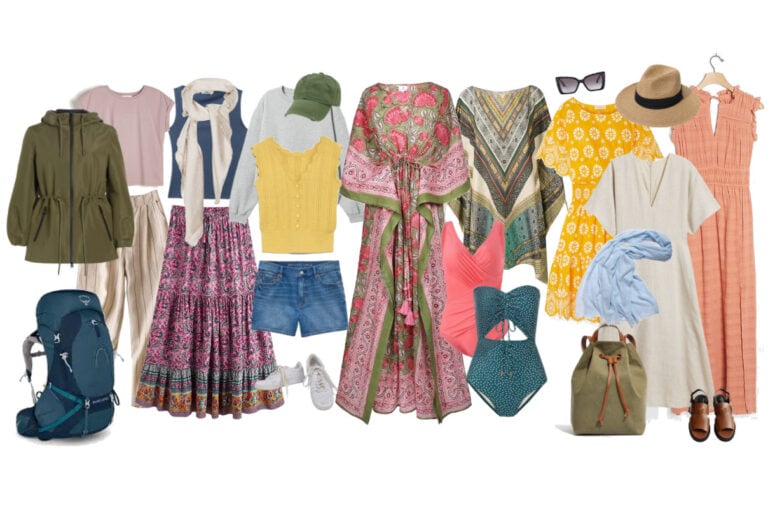
Packing smart for Sri Lanka helps you stay comfortable across its climates, landscapes, and activities. Here are a few top tips:
- Lightweight, breathable clothing for hot and humid weather, especially in coastal and lowland areas.
- Modest attire for temples — carry a shawl or scarf to cover shoulders and wear pants or skirts that cover your knees.
- Comfortable shoes for walking and hiking, plus sandals for beaches and casual wear.
- Rain jacket or poncho for sudden downpours, especially during monsoon seasons or in the hill country.
- Mosquito repellent to protect against bites, particularly in the evenings and near water.
- High SPF sunscreen and a hat for sun protection, as the tropical sun can be intense.
- Universal adapter for charging electronics, as Sri Lanka uses a mix of plug types.
- Reusable water bottle to stay hydrated and reduce plastic waste.
- Basic medications including pain relievers, anti-diarrhea medication, motion sickness tablets, etc.
Note that importing cigarettes and other tobacco products is to Sri Lanka prohibited in any quantity.
Get my full guide to what to pack and wear in Sri Lanka ⫸
Sri Lanka Tours
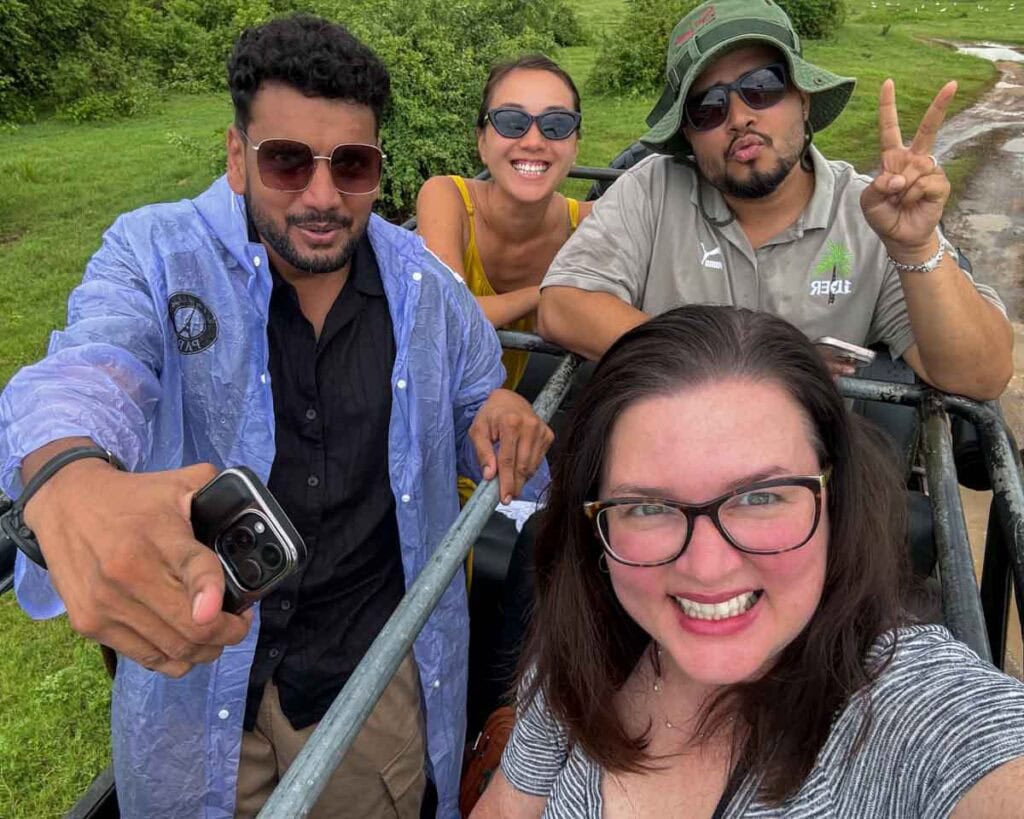
Want to visit Sri Lanka, but not sure where to begin?
Adventure travel tours are a great way to travel solo, on a budget, or to new destinations. In fact, I credit small-group tours with Intrepid Travel and G Adventures for making me into the traveler I am today! If you’re not sure that adventure travel tours are for you, be sure to read my guide here. (Spoiler: they are!)
- Check out Sri Lanka travel itineraries from G Adventures including a “Sri Lanka: Spice Gardens & Seasides” trip starting from $999. Their “Sri Lanka & Maldives Adventure” even includes sailing the islands of the Maldives aboard a dhoni boat!
- Intrepid has a great “Best of Sri Lanka” itinerary, and a “Sri Lanka Explorer” trip that includes Jaffna.
- Search and compare more small group Sri Lanka tours on TourRadar
Sri Lanka Travel Tips FAQs
Do I need a visa to travel to Sri Lanka?
Yes, most travelers need an Electronic Travel Authorization (ETA) to enter Sri Lanka. You can apply online before your trip, which typically grants a 30-day stay with options to extend once in the country.
What is the best time to visit Sri Lanka?
The best time depends on where you’re going. The west and south coasts and hill country are best from December to March, while the east coast and northern regions are ideal from April to September.
Is Sri Lanka safe for travelers?
Sri Lanka is generally safe for tourists, including solo travelers. However, take standard precautions such as safeguarding valuables, using registered transport services, and staying aware of your surroundings in crowded areas.
What currency is used in Sri Lanka?
The currency is the Sri Lankan Rupee (LKR). ATMs are common in cities, but carry cash when traveling to rural areas.
Can I drink tap water in Sri Lanka?
No, it’s best to stick to bottled or filtered water to avoid illness. Many hotels and restaurants provide safe drinking water.
What is the main language spoken in Sri Lanka?
Sinhala and Tamil are the official languages, but English is widely understood in tourist areas and major cities.
How can I get around Sri Lanka?
Popular transport options include trains for scenic routes, buses for budget travel, tuk-tuks for short distances, and private drivers for comfort and flexibility. Some domestic flights are available for longer distances.
What is the dress code for visiting temples?
Dress modestly by covering your shoulders and knees. Remove hats and shoes before entering religious sites. In Buddhist temples, people often wear white or light-colored clothing; while not required, it is seen by locals as a nice gesture for visitors to observe this custom.
What kind of power outlets are used in Sri Lanka?
Sri Lanka uses Type D, M, and G plugs (same as the UK), with a 230V supply. A universal adapter is recommended.
Is Wi-Fi widely available?
Wi-Fi is accessible in most hotels, cafes, and restaurants, but speeds can vary. Consider getting a local SIM card with a data plan for reliable connectivity.
What should I budget for a trip to Sri Lanka?
Daily costs can range from $30-$50 USD for budget travel (hostels, street food, public transport) to $100-$200 USD for mid-range to luxury travel and stays. Prices can be higher during peak seasons.
Can I smoke in public places in Sri Lanka?
Smoking is prohibited in many indoor public spaces, including restaurants, workplaces, and public transport. Look for designated smoking areas to avoid fines.
Be Sure to Read All My Sri Lanka Travel Guides

The Haphazard Traveler is a participant in the Amazon Services LLC Associates Program, an affiliate advertising program designed to provide a means for sites to earn advertising fees by advertising and linking to Amazon.com. As an Amazon Associate I earn from qualifying purchases.