Last Updated on March 16, 2026
Where to Go in the Caribbean
The Caribbean is often thought of as a collection of islands — and for many travelers, that’s where the planning starts. But the full picture includes both island nations and territories and mainland countries with coastlines along the Caribbean Sea. Together, they offer a wide range of experiences: white sand beaches, coral reefs, mountain trails, colonial towns, and local food scenes shaped by centuries of migration and trade.
Historically, the Caribbean has been at the center of global movement — from Indigenous trade routes to European colonization, African diaspora, and modern tourism. That layered history is reflected in the region’s languages, cuisines, religions, and cultural traditions. Today, some destinations are known for high-end resorts and polished infrastructure, while others remain small-scale and locally run, with fewer crowds and more room for discovery.
This guide covers both Caribbean islands and mainland destinations on the Caribbean Sea, including parts of Mexico, Belize, Honduras, and Nicaragua. Whether you’re planning your first Caribbean trip or narrowing down your next one, this resource is designed to help you compare destinations and find the right fit based on your travel style, budget, and interests. You’ll find profiles of each destination, grouped by region, along with practical tips for getting around, where to stay, and what to expect on the ground.
Caribbean Destinations by Region
With dozens of islands stretching across thousands of miles, the Caribbean isn’t a one-size-fits-all destination. Each island has its own character, history, and reasons to visit.
One of the easiest ways to understand the region is to group the islands by geography. These regional groupings don’t just help with orientation — they also reflect differences in culture, landscape, travel style, and how easy it is to get from one island to another.
Below, you’ll find each island grouped by its commonly recognized region: Greater Antilles, Lesser Antilles (including Leeward, Windward, and Leeward Antilles), and the Lucayan Archipelago. Whether you’re planning your first Caribbean trip or trying to figure out where to go next, this breakdown will help you see how the islands relate to each other and what kind of experience each area tends to offer.
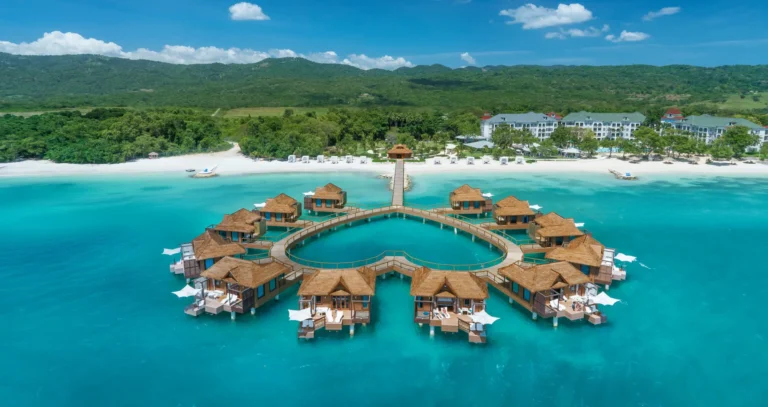
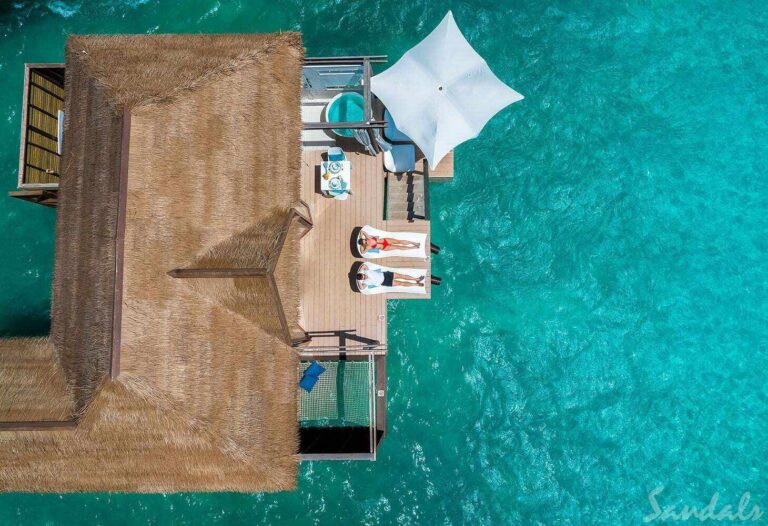
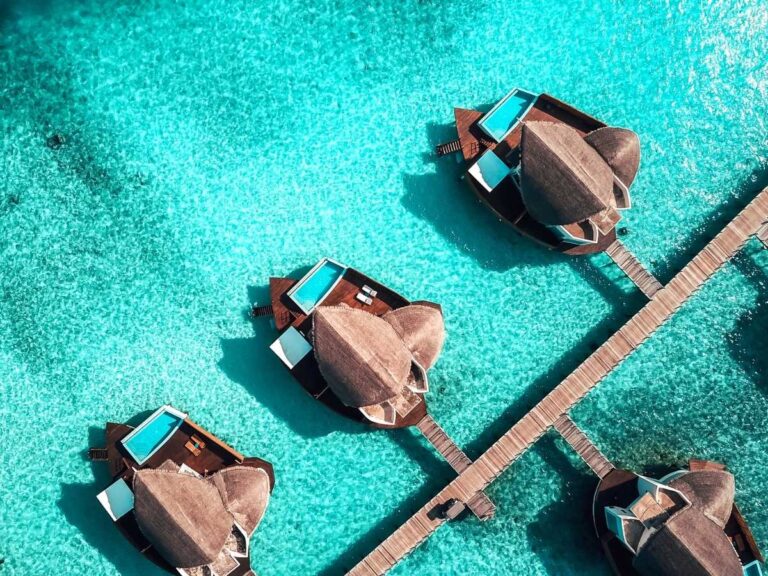
Among the options are emerging hotspots as well as popular favorites, each drawing visitors year after year, especially with its host of luxury options for all-inclusive adults-only resorts and even overwater bungalows.
Greater Antilles
The largest and most populous islands in the Caribbean, offering a mix of culture, history, and varied landscapes.
- Cayman Islands – Known for diving, calm beaches, and a well-developed tourism scene.
- Cuba – The Caribbean’s largest island, known for its preserved colonial architecture, music, and distinct political history.
- Dominican Republic – A diverse destination with beach resorts, mountain towns, and vibrant local culture.
- Haiti – A country with deep cultural roots and historic significance, currently not recommended for travel due to security concerns.
- Jamaica – Known for reggae music, jerk cuisine, and a mix of beach and mountain experiences.
- Puerto Rico – A U.S. territory offering beach access, rainforest hikes, and Spanish colonial heritage — no passport required for U.S. travelers.
Lesser Antilles
An island chain stretching from the Virgin Islands to the north coast of South America, offering a wide range of beach and eco-tourism experiences.
Leeward Islands
Generally drier and less mountainous, these islands are popular for beach resorts, sailing, and easy island-hopping.
- Anguilla – A flat, beach-heavy island known for clear water and luxury accommodations.
- Antigua and Barbuda – Home to hundreds of beaches, with historical forts and vibrant sailing culture.
- Saint Kitts and Nevis – A two-island nation combining beach resorts with historical and hiking attractions.
- Saint Barthélemy (St. Barts) – A high-end French Caribbean island known for luxury stays and fine dining.
- Saint Martin / Sint Maarten – A unique dual-nation island with a blend of French and Dutch cultures, beaches, and shopping.
- Saba – A quiet, steep island focused on hiking and diving, with no real beaches.
- Sint Eustatius (Statia) – A peaceful island with strong diving and historical interest, free from crowds.
- British Virgin Islands – Popular with sailors, these islands offer quiet coves and upscale private-island resorts.
- U.S. Virgin Islands – Easy for U.S. travelers, with national parks, snorkeling, and resort beaches.
- Montserrat – A lush, low-key island known for its volcano and quiet hiking trails.
- Guadeloupe – A French overseas region with a mix of beach towns, rainforests, and Creole culture.
Windward Islands
More mountainous and tropical, these islands appeal to nature lovers, hikers, and travelers looking for a slower pace.
- Dominica – Known for hiking, waterfalls, and eco-lodges, not traditional beach tourism.
- Martinique – A French-Caribbean island offering scenic drives, volcanic peaks, and local rum.
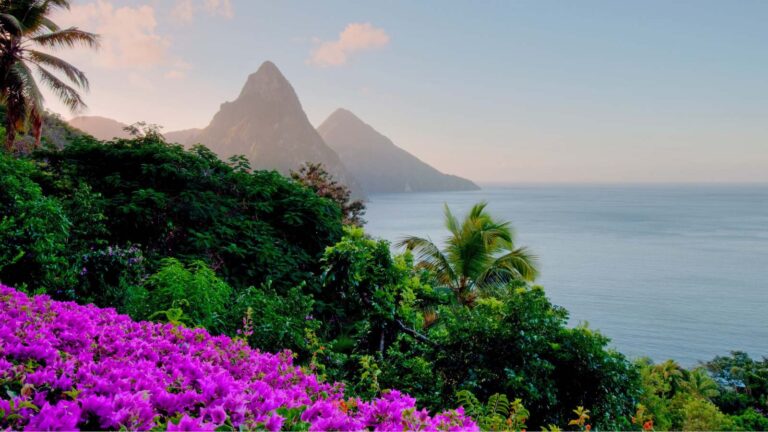
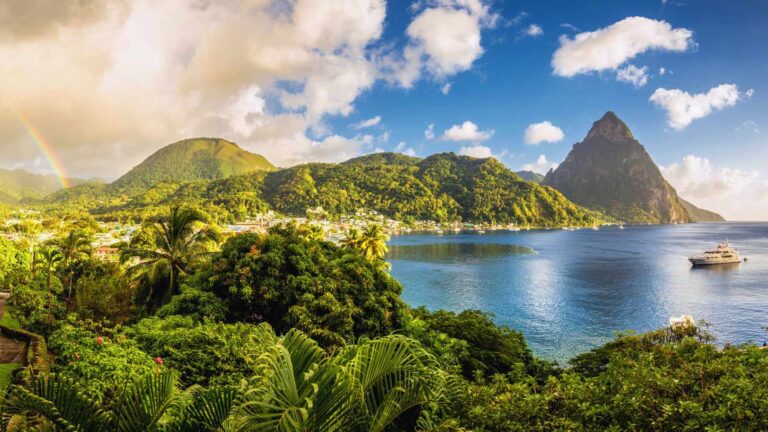
- Saint Lucia – A popular honeymoon destination with dramatic landscapes, boutique resorts, and snorkeling.
- Saint Vincent and the Grenadines – A string of quiet islands ideal for sailing, snorkeling, and beach-hopping.
- Grenada – The “Spice Island,” with uncrowded beaches and inland rainforest adventures.
- Barbados – Flat and easy to navigate, known for lively culture, surfing, and a wide range of accommodations.
Leeward Antilles
Off the coast of South America, these islands lie outside the hurricane belt and combine arid landscapes with strong beach infrastructure. They are also commonly referred to as the “ABC Islands,” taking the first letter of each as an acronym.
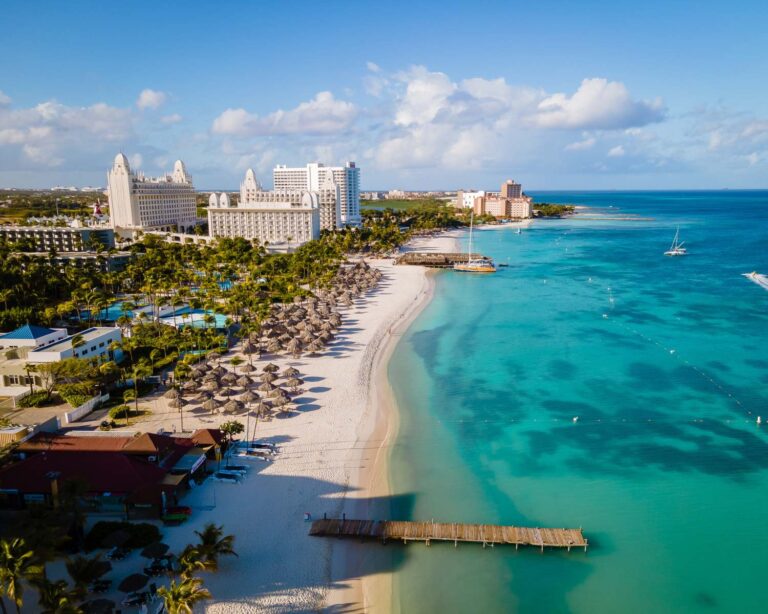
- Aruba – A dry, sunny island with easy beach access, resort hotels, and consistent weather year-round.
- Bonaire – A quiet, dive-focused destination with calm waters and protected marine parks.
- Curaçao – Offers both city life and snorkel-ready beaches, with a blend of Dutch heritage and Caribbean charm.
Lucayan Archipelago
Technically part of the Atlantic, these islands are often included in the Caribbean travel experience due to proximity and tourism links.
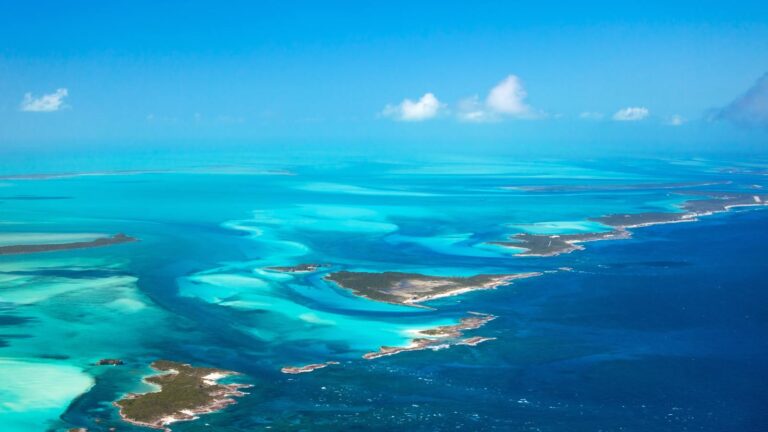
- The Bahamas – A widely spread chain offering everything from mega-resorts to remote island escapes.
- Turks and Caicos Islands – Known for high-end resorts, white-sand beaches, and exceptionally clear water.
Mainland Caribbean Destinations
Not officially part of the island chain, but located on the Caribbean Sea with coastal towns, islands, and tourism geared toward beach and water-based travel.
- Mexico (Caribbean Coast) – Includes Cancún, Playa del Carmen, Tulum, Cozumel, and Isla Mujeres — heavily developed and widely popular for all-inclusives, nightlife, and Mayan ruins.
- Belize – A small country with a long Caribbean coastline, home to offshore cayes like Ambergris Caye and Caye Caulker, plus access to the world’s second-largest barrier reef and inland adventure.
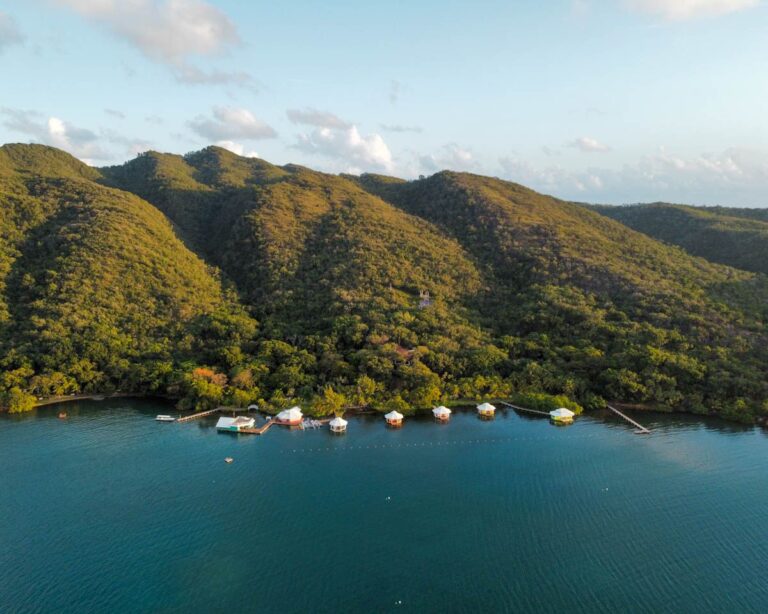
- Honduras (Bay Islands) – Roatán, Utila, and Guanaja sit off the north coast and are known for budget-friendly diving, snorkeling, and a laid-back atmosphere.
- Nicaragua (Corn Islands) – Two remote islands in the Caribbean Sea with strong local flavor, limited infrastructure, and excellent diving — mostly visited by adventurous travelers.
Overall Weather, Climate, and When to Visit the Caribbean
Winter (December to February)
- Average Temperatures: Mid-70s to mid-80s (°F).
- Travel Popularity: High season for travelers escaping colder northern climates. Prices for accommodations can be higher.
- Weather Patterns: Warm and dry with lower humidity.
Spring (March to May)
- Average Temperatures: Mid-70s to high 80s (°F).
- Travel Popularity: Transition between the high and low season. Ideal for those seeking fewer crowds with pleasant weather.
- Weather Patterns: Generally dry, with rain becoming slightly more frequent by late May.
Summer (June to August)
- Average Temperatures: 80s to low 90s (°F).
- Travel Popularity: Lower travel season, though families may travel during school vacations. Accommodation rates can be lower.
- Weather Patterns: Humidity begins to rise. June marks the start of hurricane season, but storms are rarer in the early months.
Fall (September to November)
- Average Temperatures: High 70s to mid-80s (°F).
- Travel Popularity: Low travel season, largely due to the heightened risk of hurricanes.
- Weather Patterns: Peak of the hurricane season, especially September and October. Increased rainfall and storms.
Rainy and Hurricane Season Tips
- Rainy Season: Generally runs from June to November, coinciding with hurricane season.
- Hurricane Season: Officially from June 1st to November 30th. The highest risk is between August and October.
- Destinations Outside the Traditional Hurricane Belt: Aruba, Bonaire, Curacao (often referred to as the ABC Islands), Barbados, and Trinidad & Tobago are situated outside the main hurricane path and typically experience fewer hurricane threats.
Back to destinations by region ⫸
Don’t miss all of my guides for travel in the Caribbean!
-
Where to Stay in Curacao: Best Areas + Hotels for 2026 Getaways
While Curacao is a small island, the choice of where to stay shapes your trip in important ways, whether you want city culture, lazy beach days, or quiet coves out west. Get all my tips for where to stay in Curacao: the best areas and which travelers are suited for each, plus recommended hotels including my personal favorite stays on the island.
-
Top 5 Sandals Resorts to Book for 2026 (& What Makes Each Worth It)
Choosing a Sandals resort can feel a bit like speed-dating for a vacation. The beaches all look gorgeous online, the rooms all promise luxury, and the reviews start to blur together once you’ve opened your tenth tab. Use this guide to help cut through the noise so you can pick a Sandals resort with confidence for 2026.
-
The Top 10 Things to Do in Curacao: Beaches, Culture + Cusine
Curacao is known for dependable weather outside the hurricane belt, world-class diving and snorkeling you can reach from the shore, and a dining scene rooted in local flavors. But the island offers far more than beaches and cocktails. From historic neighborhoods to quiet coves and day trips off the coast, these are the top 10 things to do in Curacao.
-
First Trip to Curacao? Here’s How to Do It Right
First time in Curacao? This guide breaks down everything you need to know: where to stay, what to eat, how to get around, and how to find the side of the island most visitors miss.
-
Resort + All-Inclusive Packing List: What to Bring (& What to Skip)
All-inclusive should mean unlimited cocktails — not unlimited packing stress. Skip the guesswork with this comprehensive resort packing list, complete with insider tips and things you’ll wish you’d remembered (like towel clips to save your prime poolside spot).
-
The Best Sandals Resorts with Pickleball Courts
Want to combine your love of pickleball with a stay at a luxury all-inclusive resort? Find out which Sandals Resorts have pickleball as part of their included amenities!
-
Best Sandals Resort: All 17 Ranked + Rated (April 2026)
Guests at Sandals Resorts are spoiled for choice when it comes to options: there are now 18 Sandals resorts on 8 tropical islands to choose from. But which is the best for your trip? Get the lowdown on the best Sandals resort for vacations, honeymoons, destination weddings, and romantic getaways to the most beautiful destinations in the Caribbean.
-
Sandals Grenada Resort: Tips, Reviews + 2025 Guide
The lesser-visited Caribbean gem of Grenada lies between Saint Vincent and Trinidad & Tobago, and promises lush rainforests, pristine beaches, and air filled with the fragrance of spices and tropical flora. Discover how to have a totally effortless escape in this island paradise with an all-inclusive vacation at Sandals Grenada.
-
Sandals Overwater Bungalows: All-Inclusive Caribbean Villas
If you’ve been dreaming of posh over-the-water resorts, I’ll let you in on a secret: you don’t have to travel around the world for them! Find out how to be on a Caribbean beach in a quarter of the time – then be lulled to sleep that night by the ocean below your Sandals overwater bungalow.
-
Sandals Saint Vincent: Sneak Peek of Sandals’ Newest Resort
Get a first look at the newest gem in the Sandals crown: Sandals Saint Vincent and the Grenadines. Slated to open its doors in March 2024, this resort will offer the chance to explore a lesser-known Caribbean destination. Find out what guests will love about this resort, and how to be one of the first to experience this luxe new Sandals property!
-
11 Enchanting Punta Cana All-Inclusive Adults-Only Resorts
Trade the ordinary for the extraordinary with a getaway to Punta Cana’s all-inclusive adults-only resorts. With sun-drenched beaches, luxurious accommodations, and unparalleled service, these retreats offer an idyllic setting for relaxation, adventure, and everything in between.
-
The Most Alluring Aruba All-Inclusive Adults-Only Resorts
The charms of the tropical island of Aruba are many: unbeatable weather, pristine beaches, rich culture, adventurous activities like snorkeling and diving, and the warm hospitality of its residents. Find the perfect all-inclusive adults-only Aruba resort for your escape.
-
Best Caribbean Adults-Only All-Inclusive Resorts: 15 Picks for 2026
Looking for a luxurious and stress-free vacation experience? Consider the best Caribbean all-inclusive resorts for adults only. These posh hideaways offer the perfect mix of relaxation and activities, where your most important decision of the day is if you prefer to lounge by the beach or pool!
-
Best Sandals St. Lucia Resort: Which To Choose for 2026?
The island of St. Lucia, renowned for its dramatic landscapes and stunning beaches, is home to three all-inclusive Sandals Resorts. Each offers its own unique take on luxury, leisure, and island adventure. Decide which is your perfect getaway based on its location, amenities, and highlights, and get tips to book.
-
Best Sandals Resort in Jamaica: All 7 Ranked + Rated for 2026
Experience the magic of Jamaica’s pristine beaches, vibrant culture, and stunning landscapes from the unmatched comfort of Sandals’ all-inclusive, couples-only resorts in Jamaica. Each resort nestled on this sun-soaked Caribbean island offers its unique blend of luxury, adventure, and romance, providing an idyllic escape for honeymooners, active travelers, foodies, and beach lovers alike.
-
The Best Bahamas Adults-Only All-Inclusive Resorts
The Bahamas are made up of 700 islands, each more beautiful than the last. And with direct flights from several U.S. cities, a tropical getaway is closer than you think. For travelers dreaming of an effortless and luxurious escape, don’t miss the best Bahamas adults-only all-inclusive resorts.
-
The 10 Best Adults-Only All-Inclusive Resorts in St. Lucia for 2026
The allure of St. Lucia is undeniably captivating, but it’s the island’s resorts that make it an unforgettable retreat. Offering unparalleled luxury, tranquility, and a ton of included amenities, these St. Lucia all-inclusive adults-only resorts embody the island’s spirit of romance and relaxation.
-
Sandals Royal Curacao All-Inclusive Reviews + Tips (2025 Guide)
Travelers in search of a luxury sand-and-sun fix are set for 2023: the new Sandals Curacao resort is finally open and welcoming guests. Find out all the amenities and activities that are drawing vacationers from around the globe to this Caribbean hidden gem.
-
Overwater Bungalows in Roatan, Honduras: Mango Creek Lodge & More
Travelers dreaming of overwater bungalows might not realize that the Caribbean offers several affordable options. The Bay Islands of Honduras are home to three Roatan overwater bungalows perfect for active adventures and laid-back escapes.
-
Utila, Honduras: Things to Do + Complete Travel Guide
Utila is one of the Bay Islands of Honduras, an arc of three main islands along the coast of the mainland and the Mesoamerican Barrier Reef. Although not as well-known as its larger neighbor Roatan, Utila is a laid-back paradise for divers, snorkelers, and beach-worshippers. Discover all the things to do in Utila, Honduras and tips to make it your next Caribbean getaway.
-
Overwater Bungalows in Jamaica at Sandals All-Inclusive Resorts
Beach-starved travelers, take heart: luxury over the water bungalows are no longer half a world away. The vibrant island of Jamaica is home to two Sandals resorts with villas that float over clear turquoise waters. Read on for all the details you need to make these Jamaica overwater bungalows your next escape.
-
21 Jamaica Adults-Only All-Inclusive Resorts for a Blissful Escape
Overdue for a vacay? Take the guesswork out of getaway planning with an all-inclusive stay. And with your choice of Jamaica adults-only all-inclusive resorts just a quick flight from the U.S., you can be on the beach almost as quickly as you can pack a bag!
-
The 9 Best Overwater Bungalows in the Caribbean & Mexico
These Mexico & Caribbean overwater bungalows are luxury escapes just a quick flight from the U.S. Get amenity details & booking info, plus affordable options under$250/night.
-
Airbnb Belize Stays With Un-Belize-able Charm & Luxury!
Plan a tropical escape with these Airbnb Belize stays: luxury homes, Belize Airbnb islands + chic condos for beaches, snorkeling & adventures. Includes options with pools and kitchens, at prices anyone can afford.
-
Placencia Belize Resorts & Things to Do: Placencia Travel Guide
Placencia, Belize is a laid-back getaway with amazing beaches and snorkeling. Grab this ultimate Placencia travel guide with beachfront Placencia Belize resorts, best Airbnbs + things to do & tours!
-
Airbnb St. John USVI Stays: Chill & Chic Vacation Retreats
Escape to paradise with the best Airbnb St. John stays: chic & chill vacation retreats for couples, families & friends + bonus sights & tour tips!
-
Airbnb St. Thomas Virgin Islands: Budget to Luxury Beach Escapes
Advice on the best Airbnb St. Thomas stays for a tropical escape, from budget condos to mid range resorts & luxury villas for a group. Includes bonus tips on the best beaches, sights, and tours for planning your getaway.
-
Sailing the Virgin Islands: Airbnb & VRBO Catamaran Charters
Plan your best vacation ever with family or friends: sailing the Virgin Islands in a catamaran for beaches, snorkeling, and laid-back beach bars in the US Virgin Islands & British Virgin Islands!
-
Snorkeling, Charter & Liveaboard Packing List
Liveaboard boat trips are an amazing way to experience snorkeling and diving destinations, but what should you bring? Grab these tips for what to pack for any snorkeling or diving trip, whether based on land or a liveaboard sailing trip.