

A Culture Lover’s Guide to Quebec City
Last Updated on December 23, 2025
Quebec City is famous the world-over for its cobblestone streets and French heritage, but its culture goes well beyond the postcard image. This guide offers a grounded way to experience the city and unique things to do, from museums to neighborhood food scenes and day trips that explore deeper roots. If you’re a culture lover drawn to places with a strong sense of identity, start here.
Founded in 1608 by Samuel de Champlain, Quebec City is one of the oldest continuously inhabited European settlements in North America. Its history includes Indigenous presence long before colonization, followed by French, British, and Canadian influences that have shaped its language, architecture, and public life. The walled Old City is a UNESCO World Heritage site, but the city’s cultural life extends well beyond its ramparts.
This guide focuses on museums, neighborhoods, food culture, day trips and unique things to do that offer insight into the region’s past and present. It’s designed for travelers who want to connect through the city’s lived culture rather than a checklist of landmarks.
In This Culture Lover’s Guide to Quebec City
I independently evaluate all of my recommendations. I might receive compensation for any links you click on my site. Learn more.
Walk Through Living History in Old Québec
Quebec City’s historic center is easy to navigate on foot, and it feels like a stroll through history. This part of the city is walkable and easy to see in a few hours. Many of the streets are hilly, but the city’s staircases link Upper Town and Lower Town.
Staircases in Quebec City: The city’s steep terrain means staircases — known locally as escaliers — are an essential part of getting around, especially between Upper and Lower Town. Nearly 30 public stairways connect neighborhoods built into the cliffs and hills. The Breakneck Stairs (Escalier Casse-Cou), near Place Royale, are the oldest and most photographed, dating back to the 17th century. The Escalier Frontenac links Dufferin Terrace to Rue du Petit-Champlain and offers a scenic way down to Lower Town. In Saint-Jean-Baptiste, the Escalier du Faubourg connects to Saint-Roch.
Place Royale
Begin your stroll through Old Quebec at Place Royale, where the city was founded in 1608. The square is lined with stone buildings, and the church of Notre-Dame-des-Victoires still anchors the space. From there, follow the sloping streets past galleries, cafes, and the open-air artist alley on Rue du Trésor, where painters and illustrators display their work.
If you want more context, a guided walking tour can add useful background to the architecture and public spaces you’re already passing through. Many also offer specialized tours, and guides often roleplay as a historical character to add extra context. I took this excellent 2-hour walking tour through the old city.
Dufferin Terrace
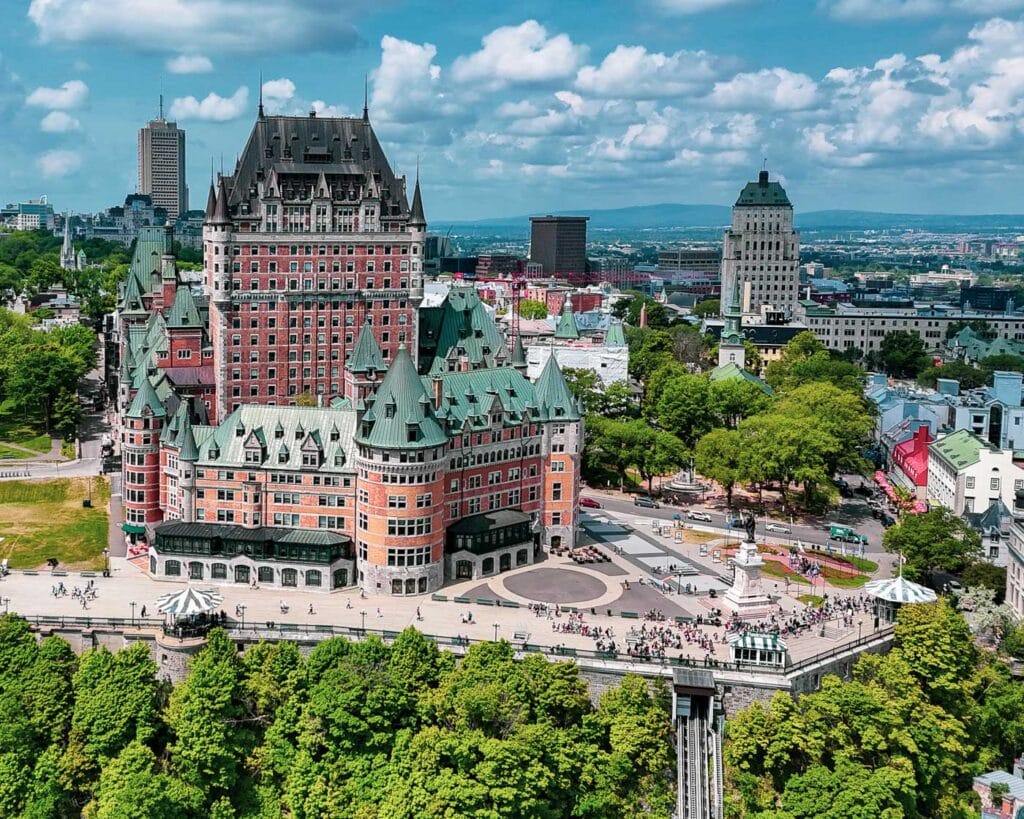
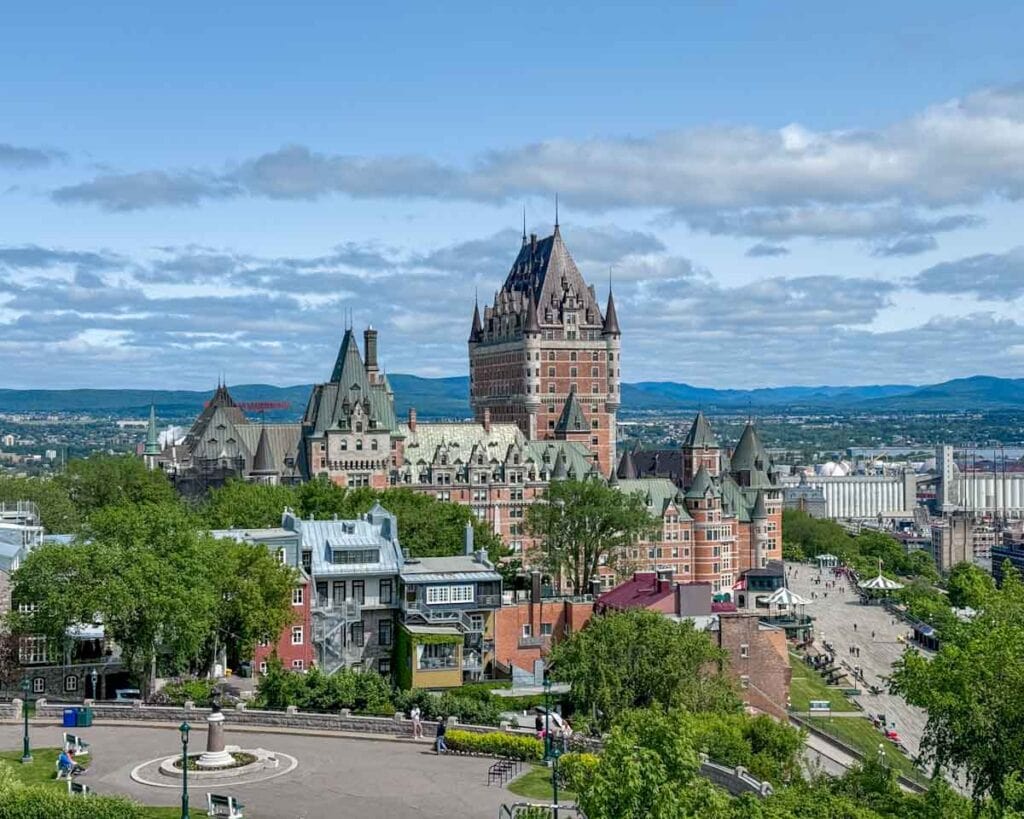
Near the river, Dufferin Terrace offers a view over the Lower Town, and the famous Château Frontenac stands just behind it. It’s the perfect place to get photos of the Chateau as well as the Old Town and Port.
In winter, visitors can go tobogganing here on the Dufferin Terrace Toboggan Slide. It’s also the entrance to the Saint-Louis Forts and Châteaux National Historic Site and the upper station for the Funicular of Old Quebec.
Fairmont Le Château Frontenac
The Fairmont Le Château Frontenac was built in 1893 by the Canadian Pacific Railway as part of a series of grand hotels along its rail lines. Designed by architect Bruce Price, the building reflects the Châteauesque style with steep copper roofs, stone walls, and pointed turrets.
The hotel overlooks the St. Lawrence River and has long been part of the city’s visual and cultural landscape. Several expansions have been added over the years, including new wings and a central tower, but the original structure remains at its core.
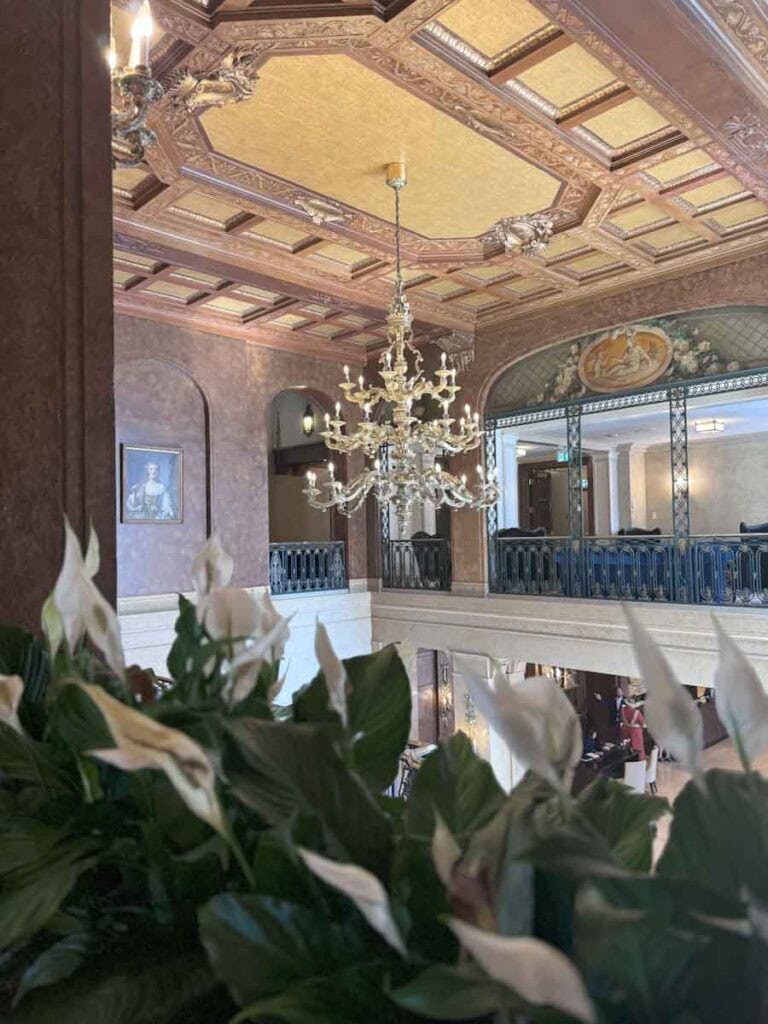
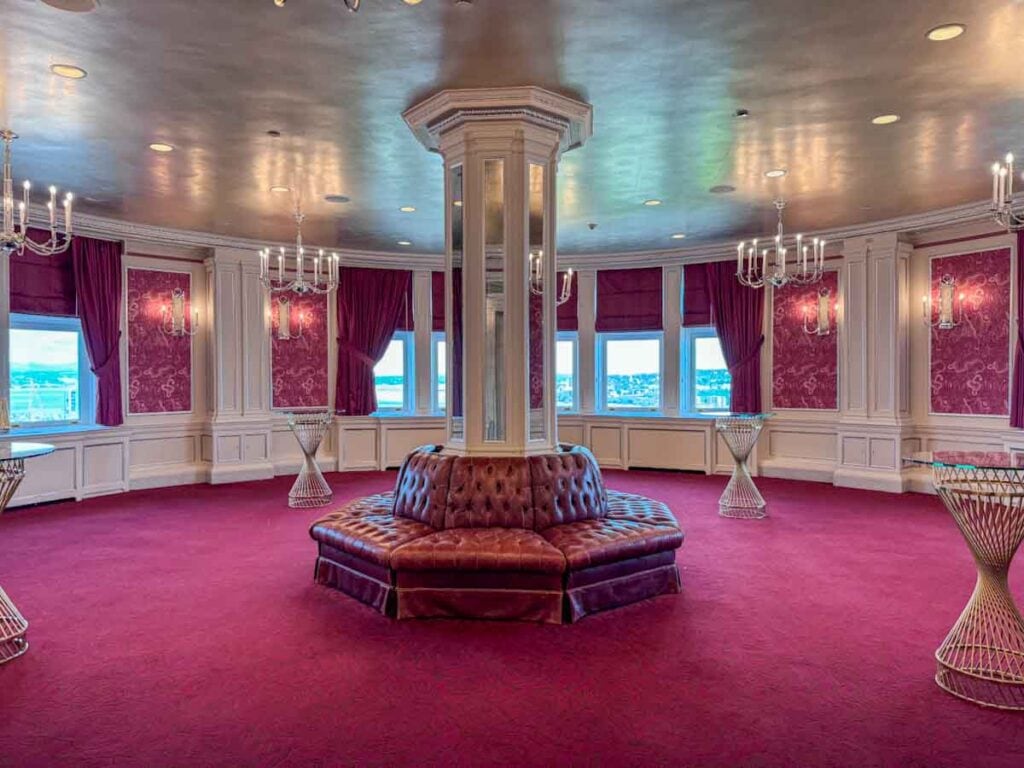
But you don’t have to stay here to get a peek inside: I took this 1-hour walking tour to learn about Fairmont history and get a peek at salons and ballrooms where Québécois have gathered and reveled for centuries.
Even without a tour, visitors can stop in to see the public areas like the lobby, gift shops, and its cocktail bar, Bar 1608.
Parliament gardens

Just beyond the upper town, the Parliament gardens are worth a short detour, especially in spring and summer when flowers are in bloom.
Citadelle of Quebec
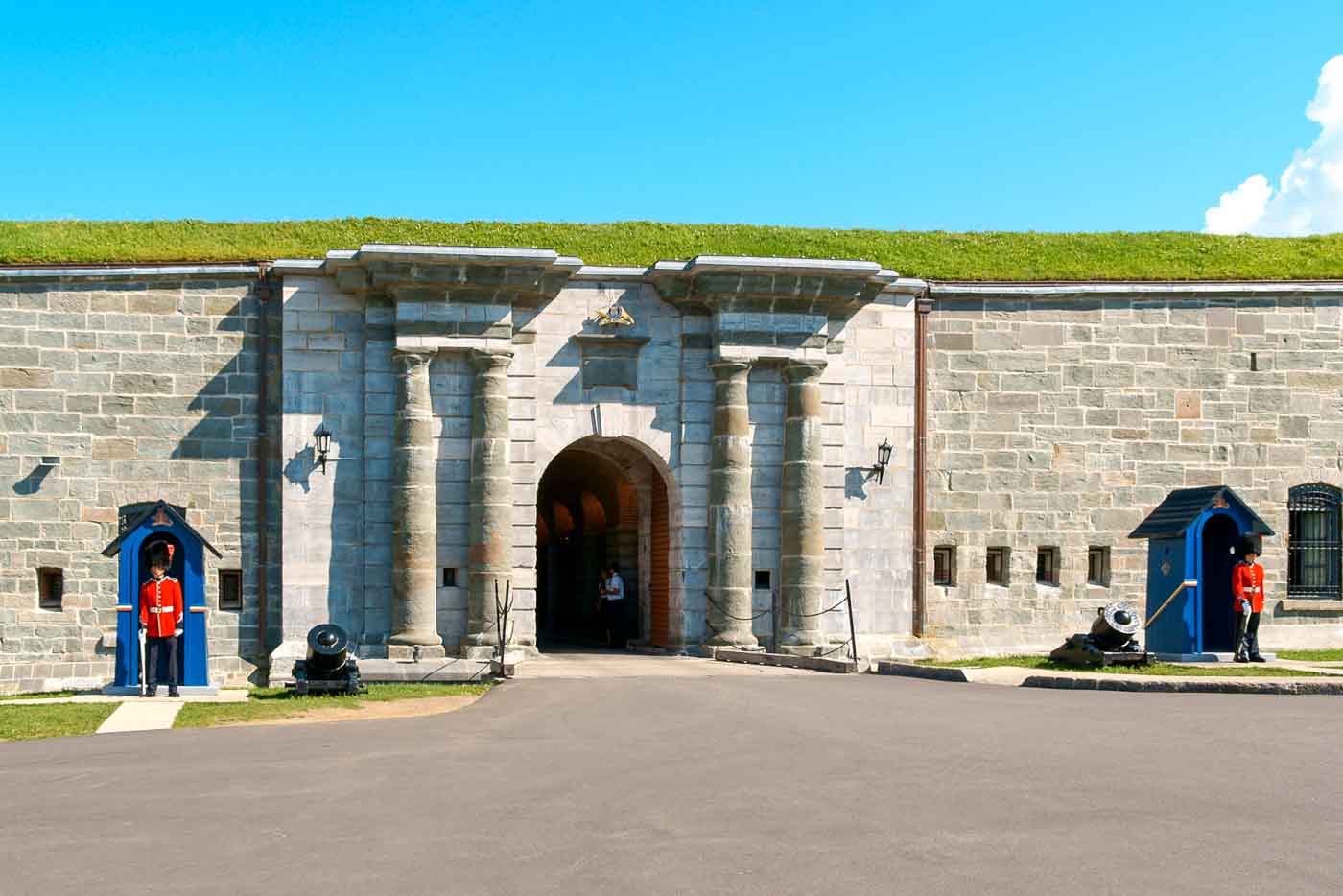
Farther uphill, the Citadelle of Quebec offers guided tours that include the ramparts and military museum. This active military installation is located at the highest point of the city, overlooking the St. Lawrence River.
Construction began in the 1820s under British rule as part of a broader defense system, using a star-shaped design adapted from earlier French plans.
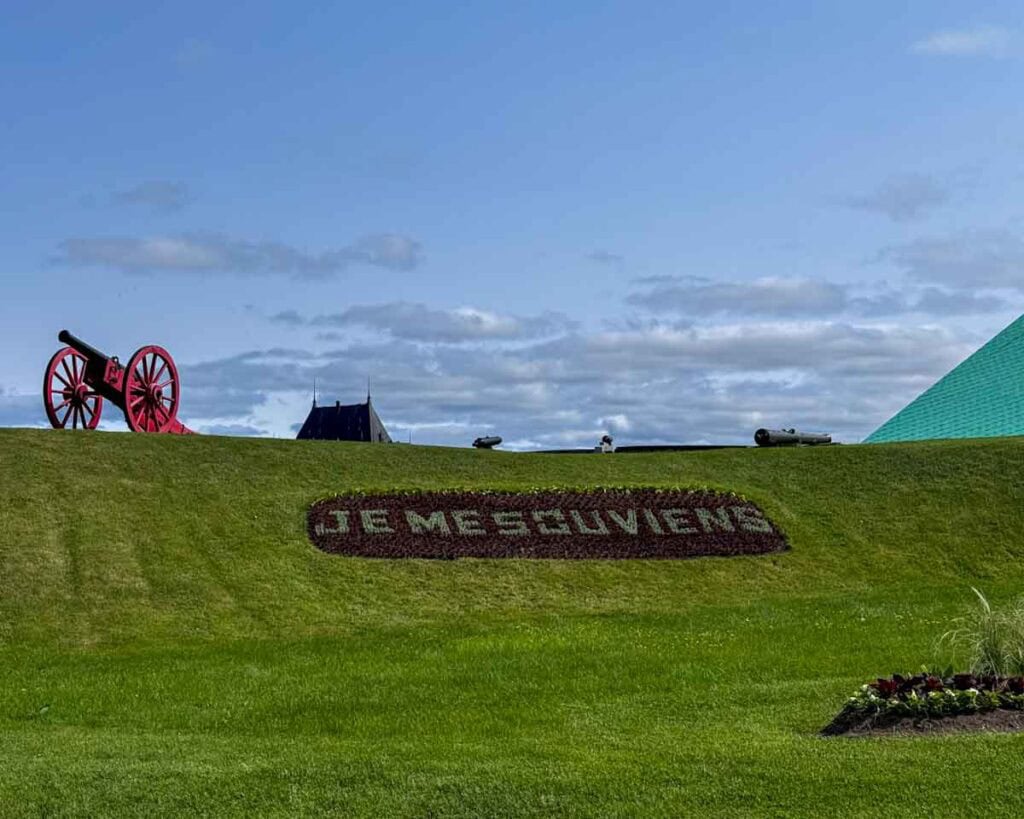
Today, it houses the Royal 22nd Regiment and serves as both a working garrison and a national historic site. Guided tours cover the fort’s history, military architecture, and ceremonial traditions. The site also includes a small museum and offers views over the Plains of Abraham and the river below.
Tours and Special Events at the Citadelle
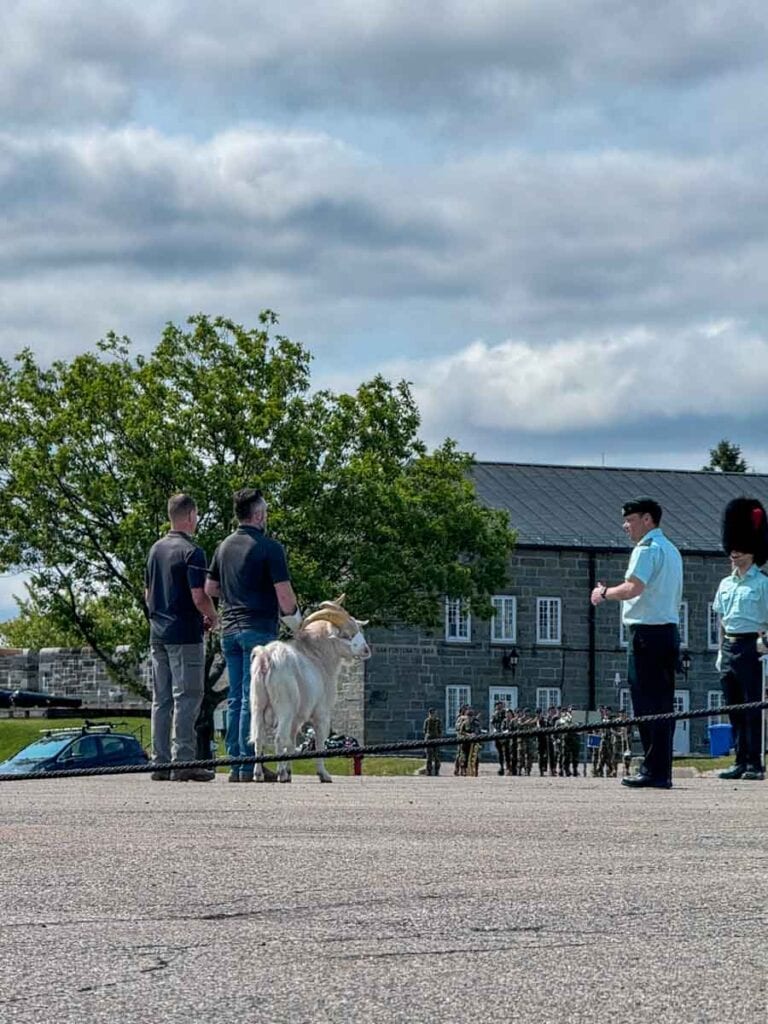
- Changing of the guard ceremonies are scheduled at 10AM, except during the summer when they are replaced by the Music in Red ceremony.
- On Fridays and Saturdays in October, the Citadelle offers special night tours when historical figures in period costume “come back to life” to share their stories.
- The Citadelle regiment has a mascot, a particularly handsome goat named Batisse, who appears at changing of the guard ceremonies and other events. Keep an eye out for him – you can even buy plushies of him in the gift shop.
- A noon cannon firing takes place each day, a nod back to the twice-a-day firings of centuries past that marked the noon lunch hour and the 9:30PM curfew for the regiment.
Be sure to book your ticket online ahead of time.
Museums That Add Context
Quebec City’s museums tend to focus on how people have lived here, through art, objects, and historical documents that reflect the region’s identity.
Museum of Civilization | Musée de la civilisation
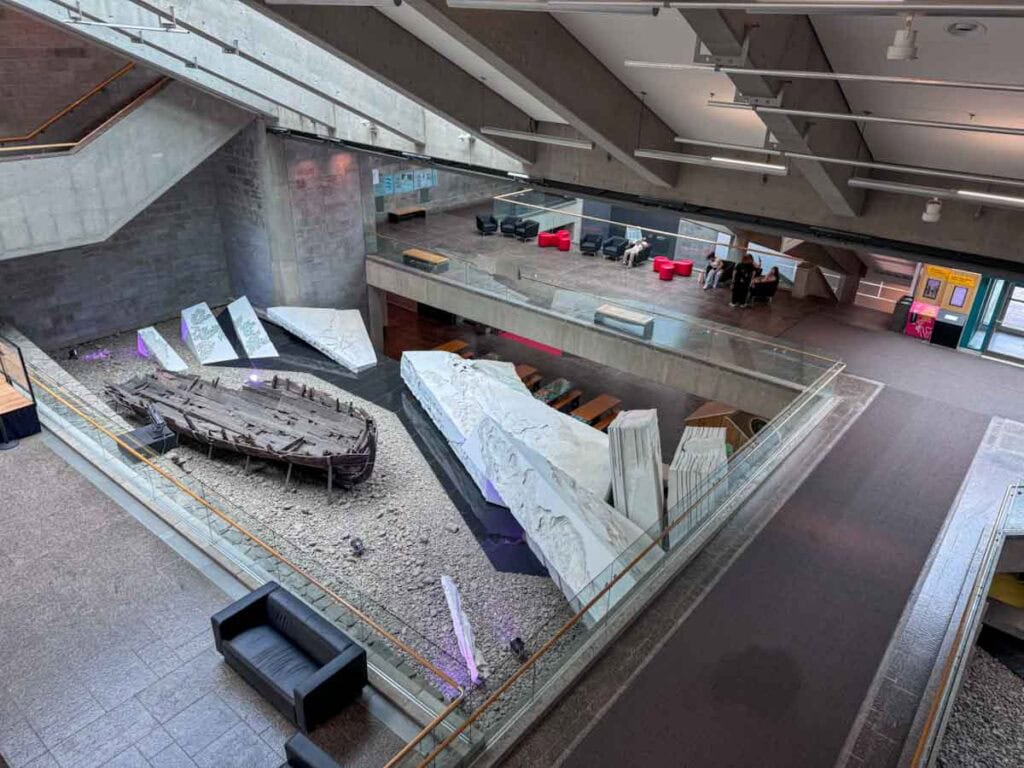
Start with the Musée de la civilisation, located just off the Old Port. The permanent collection covers First Nations history, early settlement, and social life in Quebec. Rotating exhibits often highlight contemporary topics or local creators, and the museum’s layout makes it easy to move at your own pace.
Fine Arts Museum of Quebec | Musée national des beaux-arts du Québec
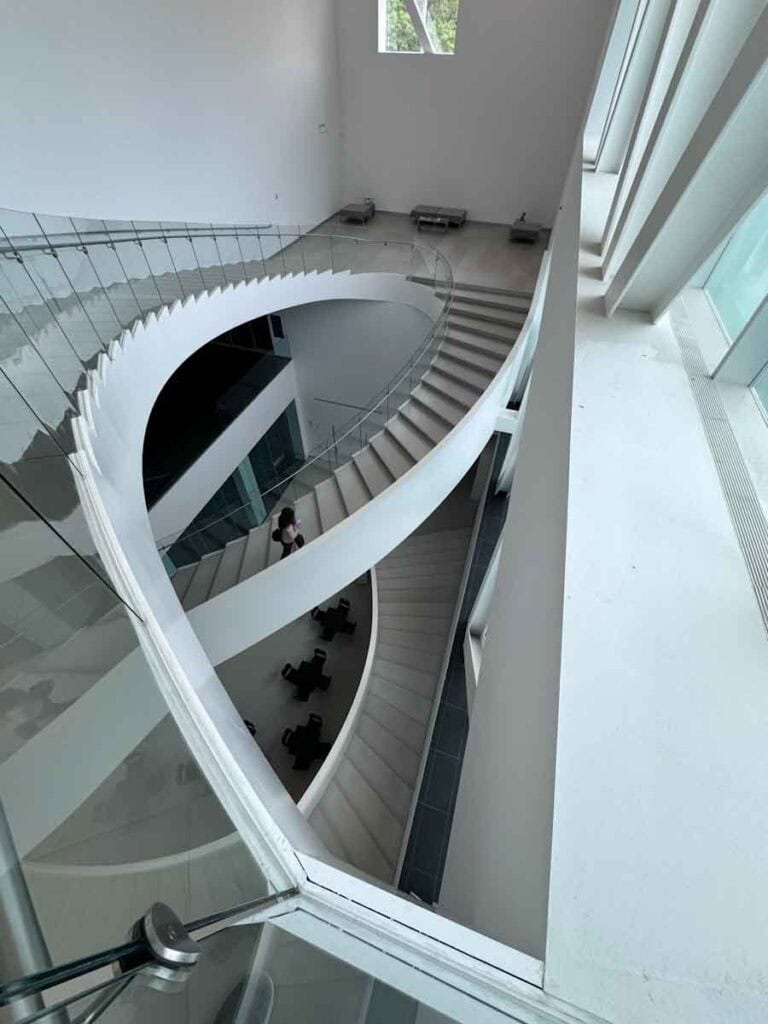
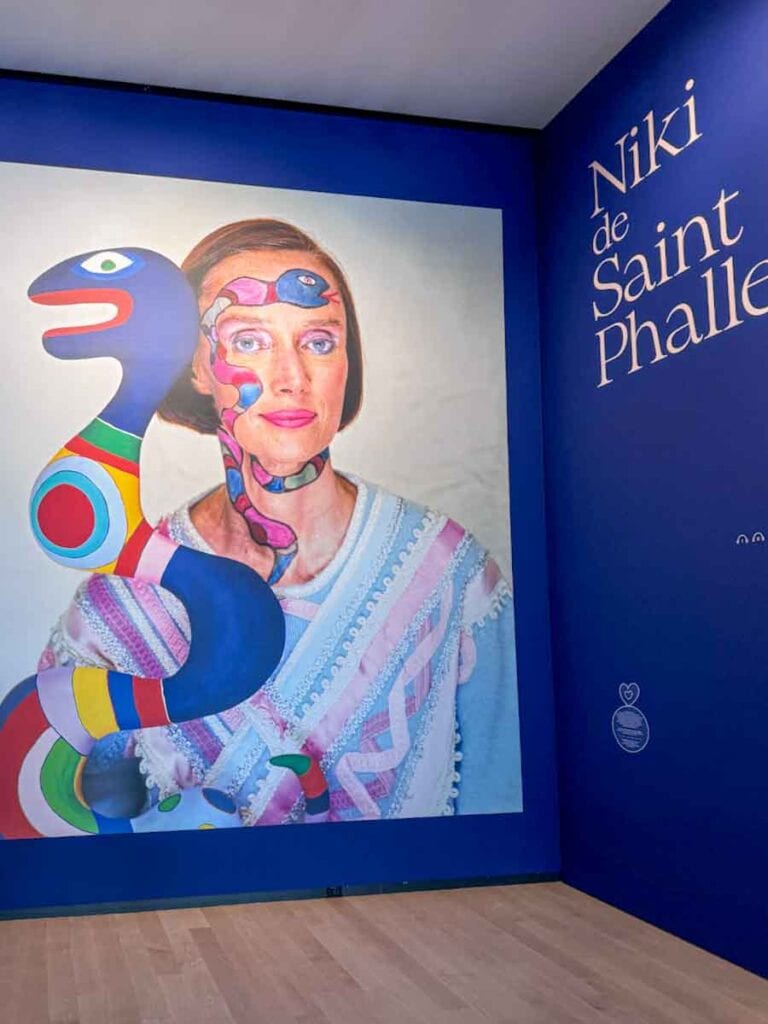
The Musée national des beaux-arts du Québec (MNBAQ), located in the Montcalm district, is home to an extensive collection of Quebec art. The main pavilions span several time periods, including Indigenous art, 20th-century modernism, and contemporary installations. The museum café and sculpture courtyard also make it an easy stop even if you’re not planning to spend a full afternoon.
Currently, the Pierre Lassonde Pavilion is open, while the Gérard Morisset and Charles Baillairgé pavilions are closed for construction.
Check the museum’s website, as guided tours of collections are offered (some included with admission) on certain days. Audio guides and other visitor resources are also available online.
Plains of Abraham Museum
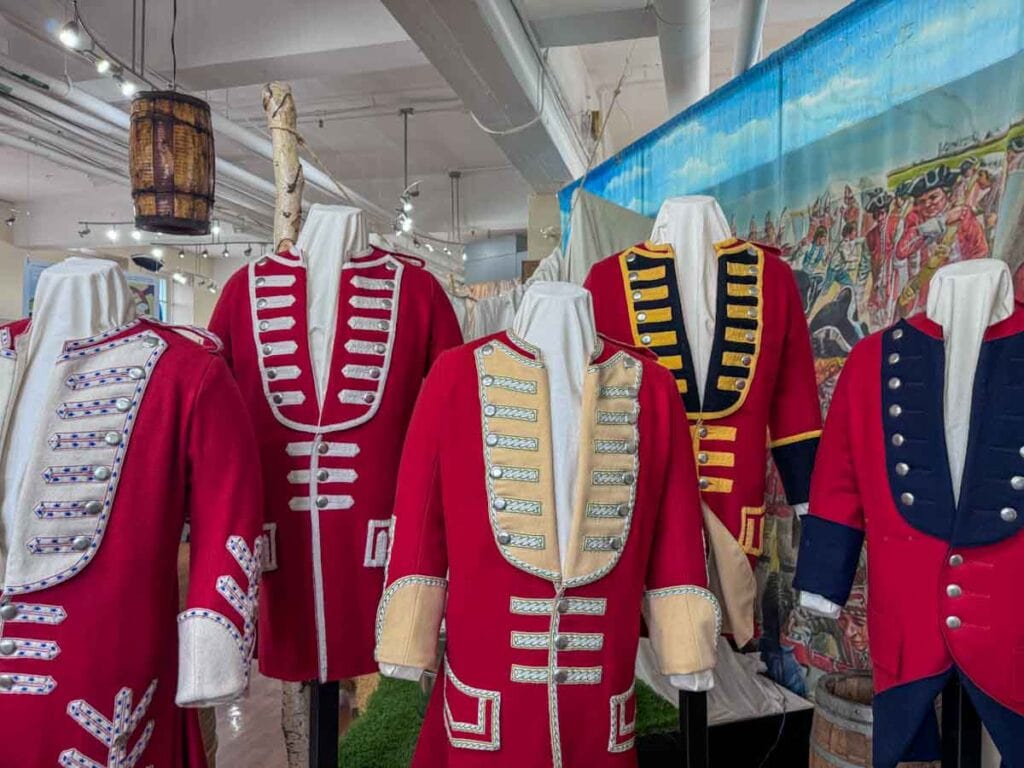
For history with a narrower focus, the Plains of Abraham Museum offers a clear timeline of the 1759 battle between French and British forces and its long-term impact. The exhibits are compact but well-presented, some with virtual-reality elements, and the museum’s location makes it a natural stop if you’re already walking through the park.
Morrin Centre
The Literary and Historical Society of Quebec, founded in 1824, is Canada’s oldest historical society and operates out of the Morrin Centre, a former prison turned English-language cultural space.
The building now houses a Victorian-era library, reading rooms, and exhibitions that focus on the region’s English-speaking communities. Guided tours cover the site’s history from its time as a jail to its current role as a cultural center, and include access to the preserved jail cells, old classrooms, and library. Specialty tours include a teatime experience, or visitors can purchase a day pass to see the center’s library collection of over 27,000 books.
House of Literature | Maison de la littérature
Also worth visiting is the Maison de la littérature, housed in a converted chapel in the Old City. The main floor includes a public library and reading room, while the upstairs galleries host exhibits and literary events tied to Quebec’s Francophone culture.
Views and Landmarks of Quebec City
Several of Quebec City’s most recognizable landmarks are good points for understanding the city’s geography, military history, and relationship to the river.
Observatoire de la Capitale
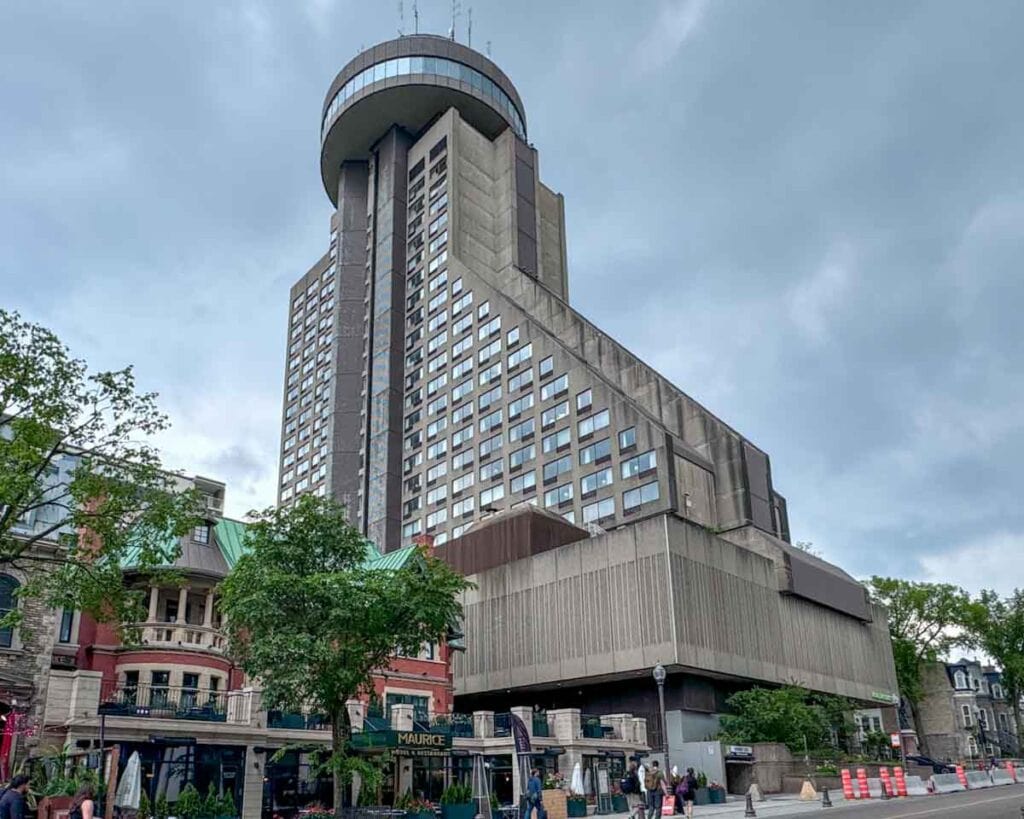
The Observatoire de la Capitale, located on the 31st floor of the Marie-Guyart Building, offers a full panoramic view of the city. The layout includes short interpretive panels that explain how neighborhoods developed and how topography shaped the walled upper and lower towns. It’s best on a clear day and can be visited in under an hour. Book your tickets online.
Old Port
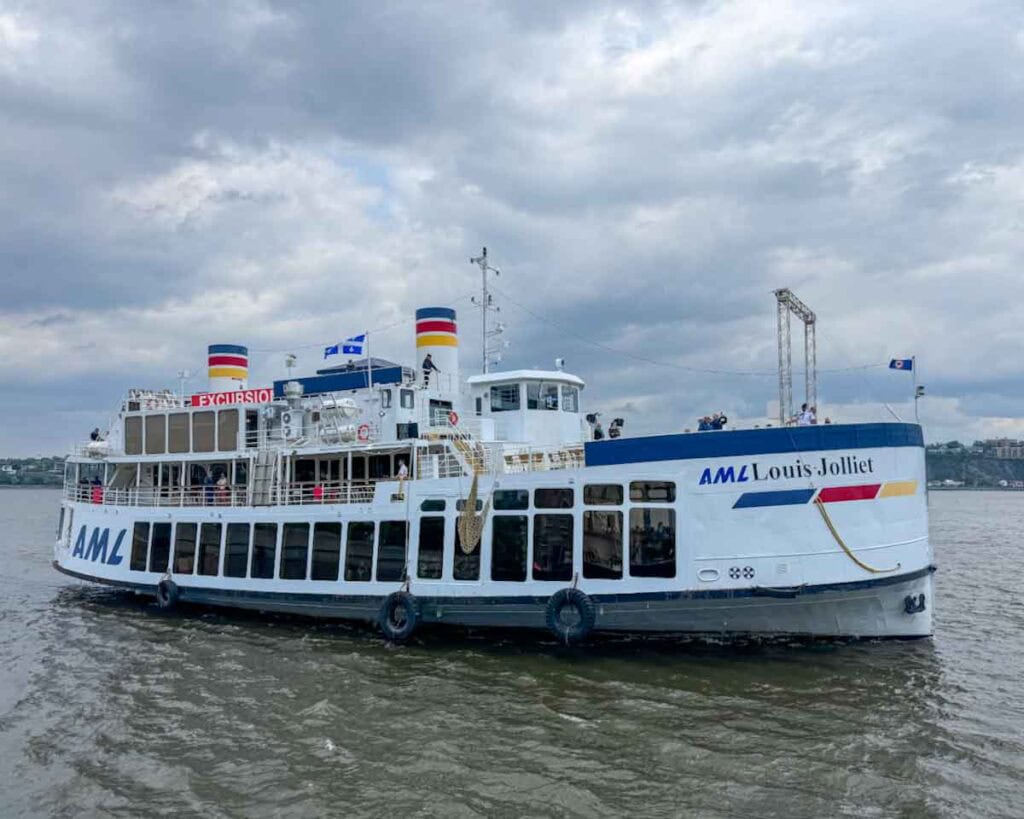
Downhill, the Old Port area follows the St. Lawrence and connects several walkable areas: Petit-Champlain, Place Royale, and the docks where river cruises depart. The boardwalk is easy to explore without a set route, and it’s especially quiet in the morning.
From spring through fall, you can book a St. Lawrence River cruise for a different perspective on the skyline and the cliffs that support Upper Town. Cruises last about 90 minutes, and most include commentary in English and French. It’s also a good way to spot landmarks like Montmorency Falls and Île d’Orléans from the water without leaving the city.
The Plains of Abraham
The Plains of Abraham, now a public park, were once the site of a major battle that shifted the region’s control from France to Britain. They are named for Abraham Martin, a fisherman and river pilot in the 17th century who owned a portion of the land.
Today, the green space is used for walking trails, concerts, and cross-country skiing in the winter. There are plaques throughout the park that mark key locations, but it’s just as useful as a quiet route between the Citadel and the MNBAQ.
City Gates (Portes)
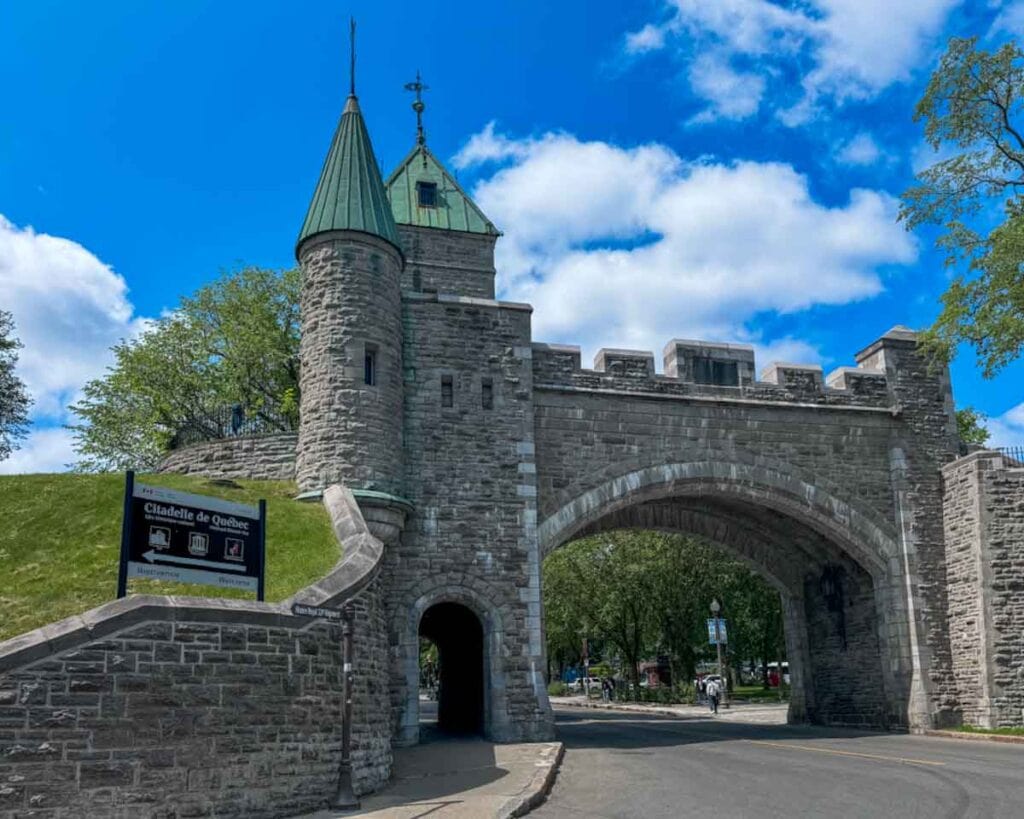
Quebec City is the only fortified city north of Mexico with its walls still largely intact, and several historic gates (or portes in French) remain as key features of the old fortifications. These gates mark the entrances through the ramparts into Old Quebec and are part of its UNESCO World Heritage designation.
Four main gates remain (click links for Google Maps locations):
- Porte Saint-Louis: Near Parliament Hill and the Citadelle, often used by visitors walking into Upper Town or heading to the entrance of the Citadelle.
- Porte Saint-Jean: Located near Rue Saint-Jean, one of the liveliest streets in the city.
- Porte Kent: Built in honor of Queen Victoria’s father and less commonly used by tourists, but still intact.
- Porte Prescott: A smaller gate on Cote de la Montagne that connects Upper and Lower Town.
Neighborhoods to Explore
For a look at what life looks like beyond the tourist sights, venture into some of Quebec City’s charismatic neighborhoods.
Saint-Roch
Saint-Roch has evolved from a working-class neighborhood into a creative district without losing its edges. It’s walkable and full of independent cafés, bars, and casual restaurants. I stayed in Saint-Roch on my recent visit.
Coffee and cocktail hybrid Maelstrøm Saint-Roch was my first stop, and it turned out to be the perfect place to start or end your day. For dinner, Chez Tao! serves Southeast Asian street food and cocktails in a hip setting with a Quebec twist.
Anthony Bourdain devotees will want to dine at L’Affaire Est Ketchup, a small but elevated bistro known as one of the two places he ate in the city. But be sure to get a reservation, as there is only one seating each night.
Saint-Roch is also home to breweries like La Korrigane and Noctem, where you can try a flight of Quebec-made beer in a neighborhood setting.
Limoilou
A short bus ride from the city center, Limoilou feels more residential, with quiet streets and community spaces. The neighborhood is known for its colorful staircases, local shops, and growing arts scene. The gourmet food scene here is up-and-coming, including standouts ARVI and La Planque.
For something different, visit Distillerie Stadacone for a tour with gin and spirit tastings that use local botanicals. But first, you’ll have to solve an escape room! (While simple, it’s the first escape room I experienced, and after also visiting Laval’s world-class rooms later in my trip, I’m now hooked.)
Limoilou often hosts small festivals and pop-up markets throughout the warmer months, and on summer weekend afternoons the 3rd street becomes pedestrian-only.
Montcalm
Montcalm is often called the “arts district,” anchored by the Musée national des beaux-arts du Québec and surrounded by galleries, bookstores, and residential streets. It’s quieter than the old city and a good place for a low-key afternoon.
The neighborhood is mostly residential, but you’ll find the Les Halles Carter indoor food market as well as a few cafés and bakeries tucked along Rue Cartier and near the Grand Allée. It’s also where locals go for evening walks through the Plains of Abraham or down toward the river.
Eat & Drink the Culture
Quebec City’s culinary scene reflects the region’s long history and seasons. You’ll find time-honored comfort food, contemporary kitchens working with local producers, and plenty of spots to explore small-batch beer or craft cocktails along the way.
Traditional Quebec Cuisine
La Bûche serves hearty, modernized versions of Quebec dishes like french onion soup, meat pies, and poutine in a space that feels like an over-the-top sugar shack. This was one of the standout dining experiences of my trip: flavorful, beautifully presented dishes with friendly service and a cozy, casual vibe.
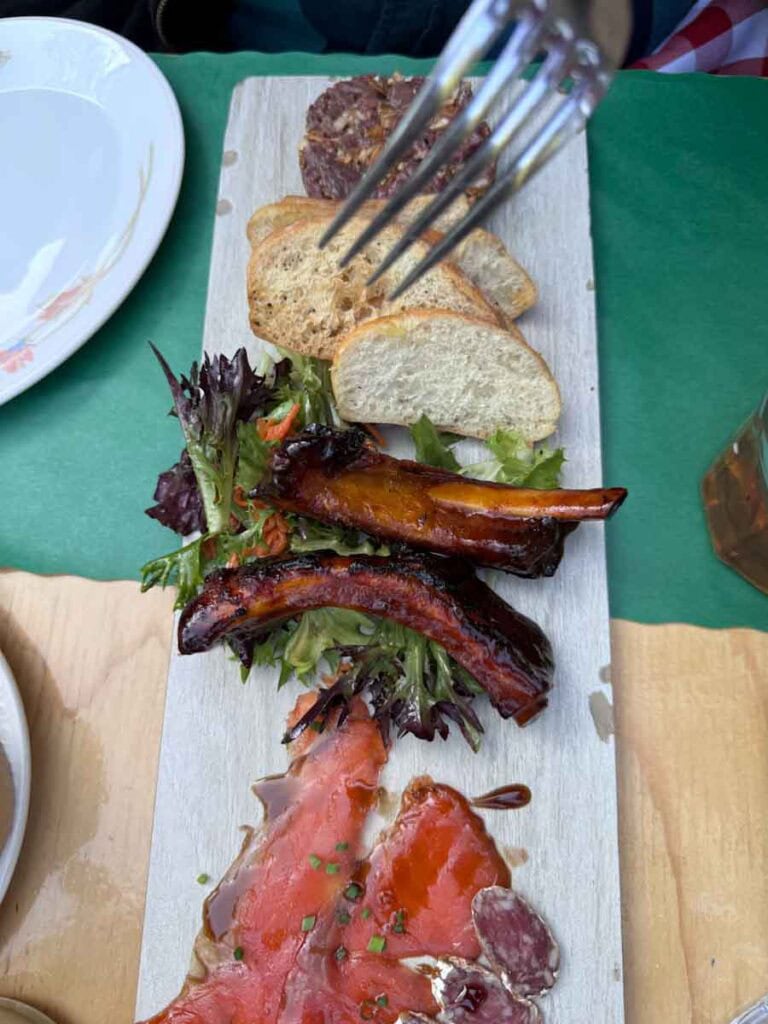
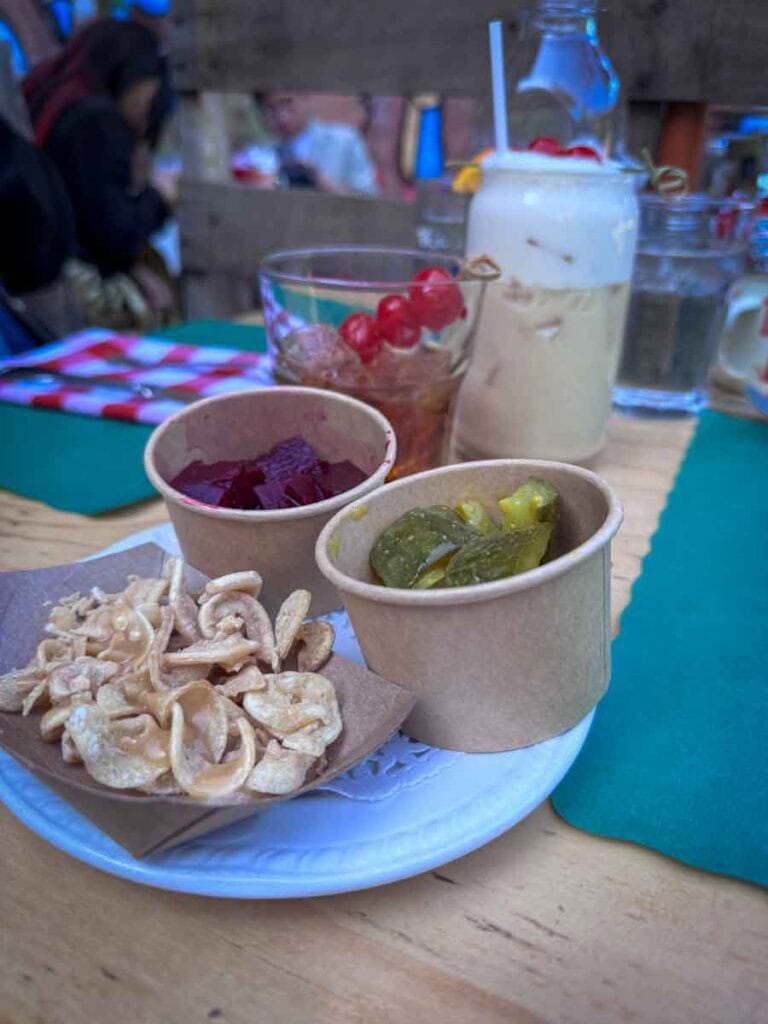
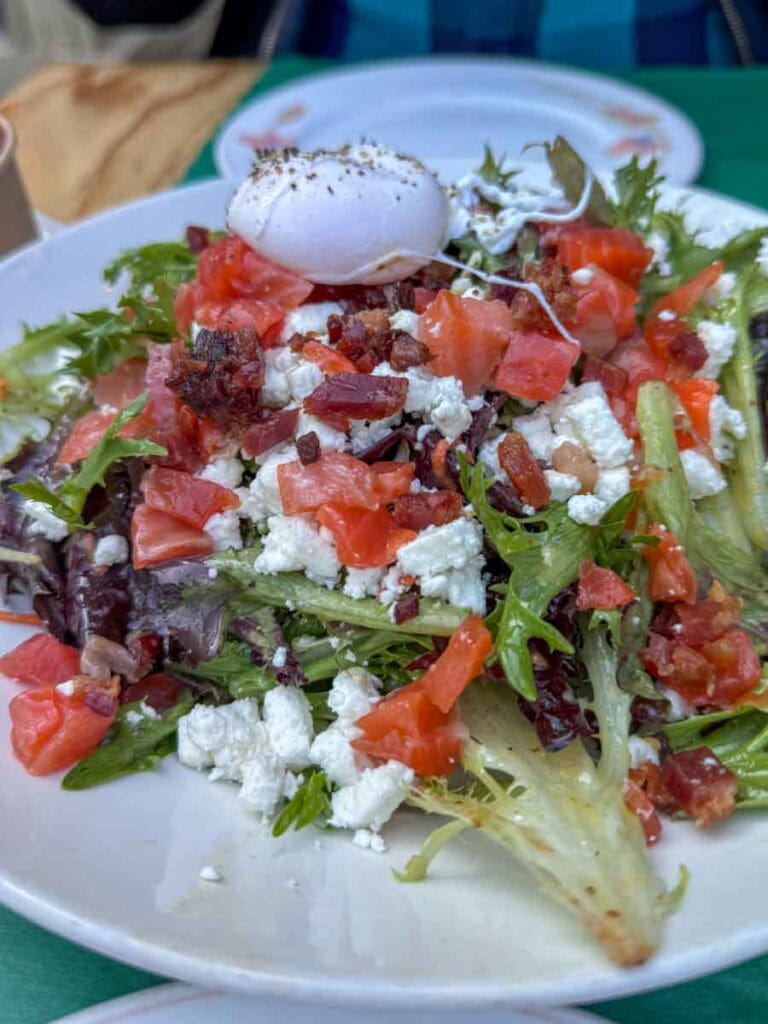
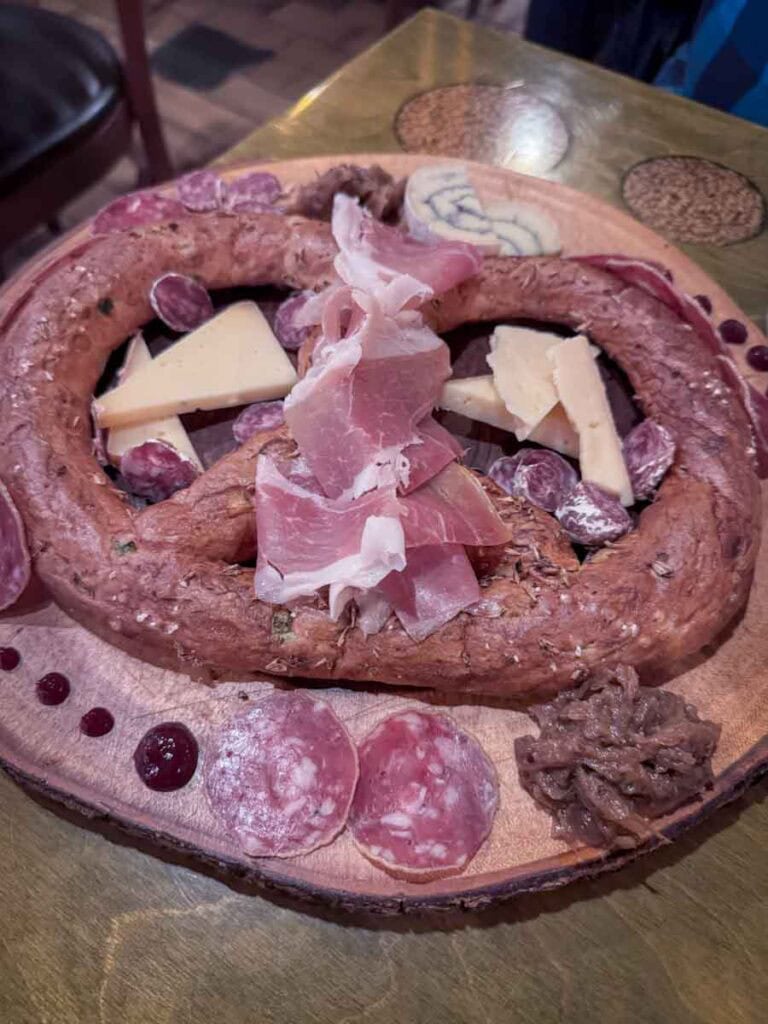
We opted for the “Antipasto de la Buche” appetizers to share and other small plates so we’d have enough room for dessert. I also recommend the Pina Canada, a twist on a colada with rum and maple cream whisky. Be sure to make a reservation to avoid a wait.
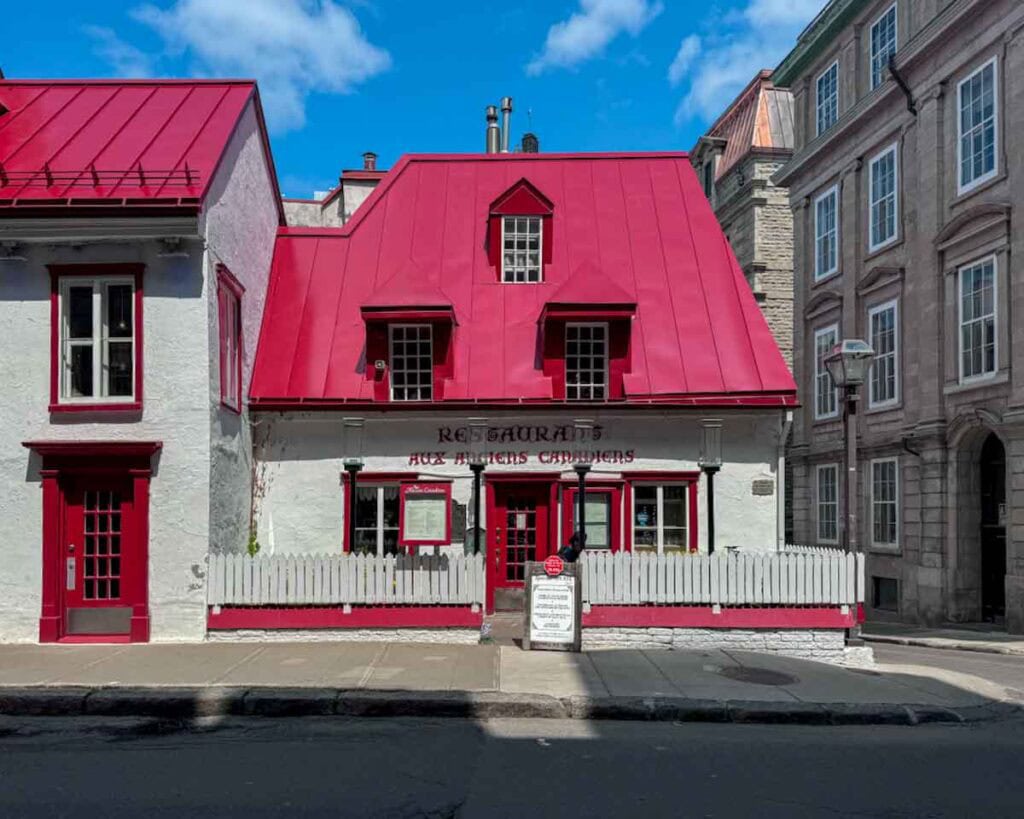
For something more traditional, Aux Anciens Canadiens offers old-school Quebecois recipes inside a historic stone house, with options like tourtière, pea soup, and maple desserts. This one is a bit touristy, but they have a prix-fixe lunch menu that was quite good, and now I can say I’ve eaten in a restaurant in the oldest building in Quebec City which was built in 1676!
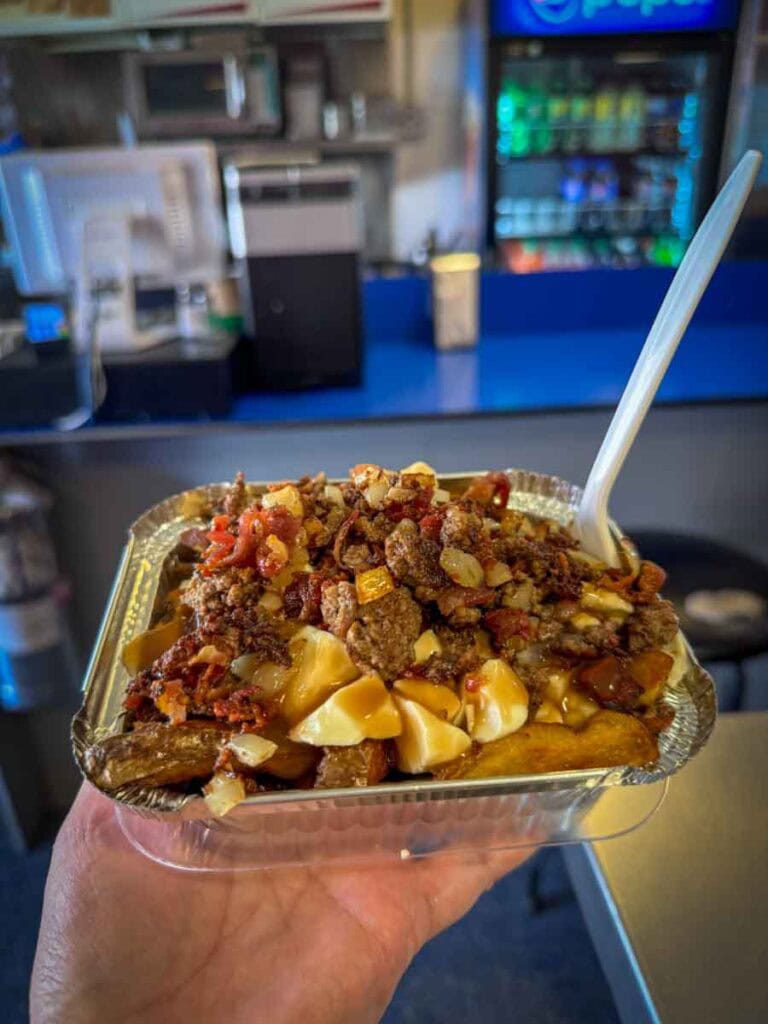

For poutine, you don’t need to leave the city center. Chez Gaston was my favorite, cooked right on the grille behind the counter, with huge portions and just the right amount of grease. Frite Alors! lets you customize with a range of sauces and extras.
Boreal cusine in Quebec: Nordic, or boreal, cuisine in Quebec City draws from ingredients found in northern forests, rivers, and fields. This wasn’t a term I’d encountered until I saw it on menus in Quebec, and it refers to the northern ecological zone. The boreal forest includes wild herbs, berries, game, freshwater fish, mushrooms, and maple syrup. In Quebec, this approach often connects Indigenous and French culinary traditions with a focus on seasonality, preservation, and regional sourcing.
Contemporary & Seasonal Cuisine
Bistro L’Orygine focuses on organic, local ingredients and often leads with vegetables. Only open for dinner, its setting in Old Quebec makes it a good pick after a day of sightseeing.
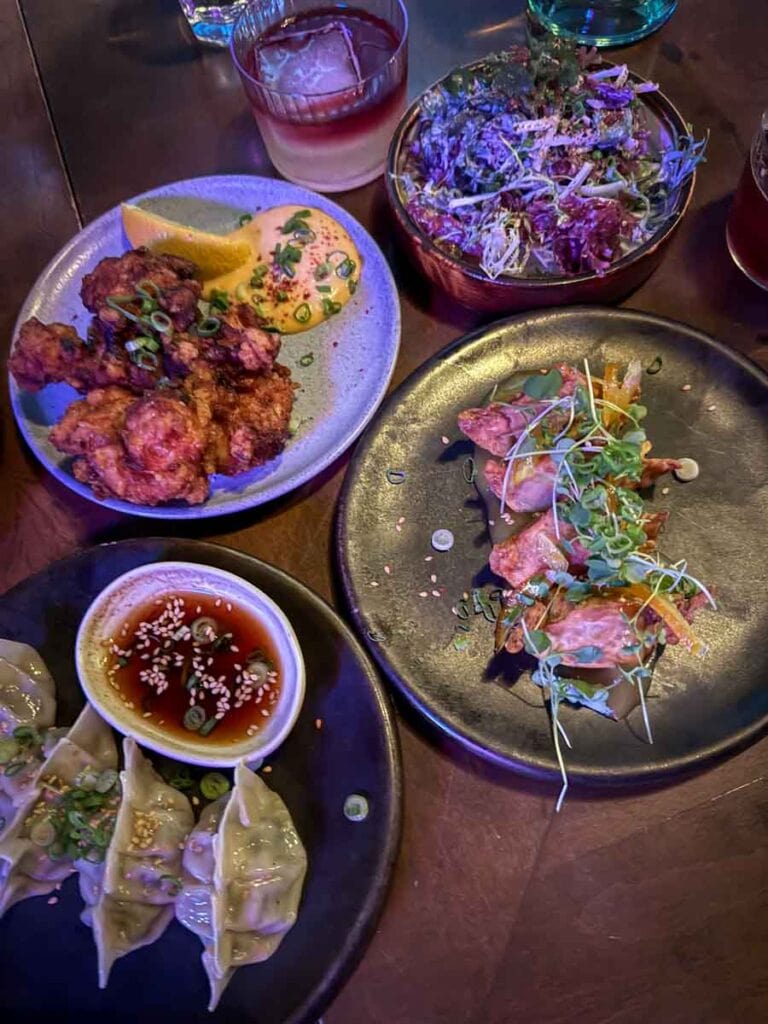
In Saint-Jean-Baptiste, Torii Izakaya serves Japanese small plates and cocktails in a compact space with a neighborhood crowd. Le Clocher Penché, also nearby, balances Quebec flavors with a seasonal menu that shifts through the year, especially strong at brunch.
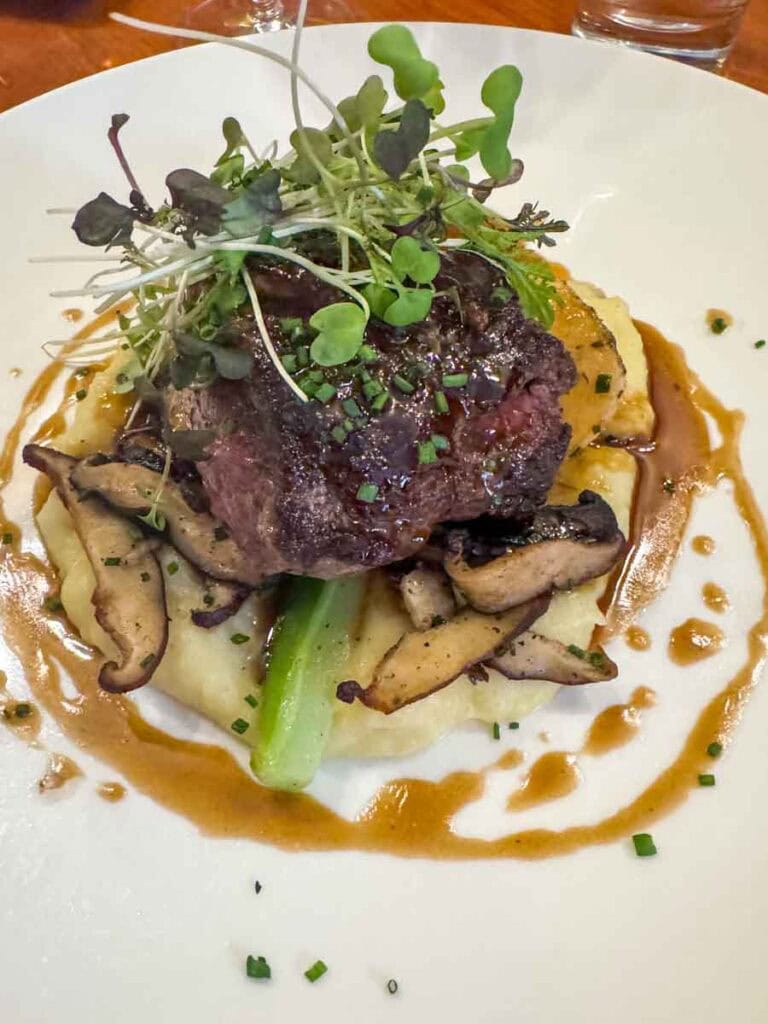
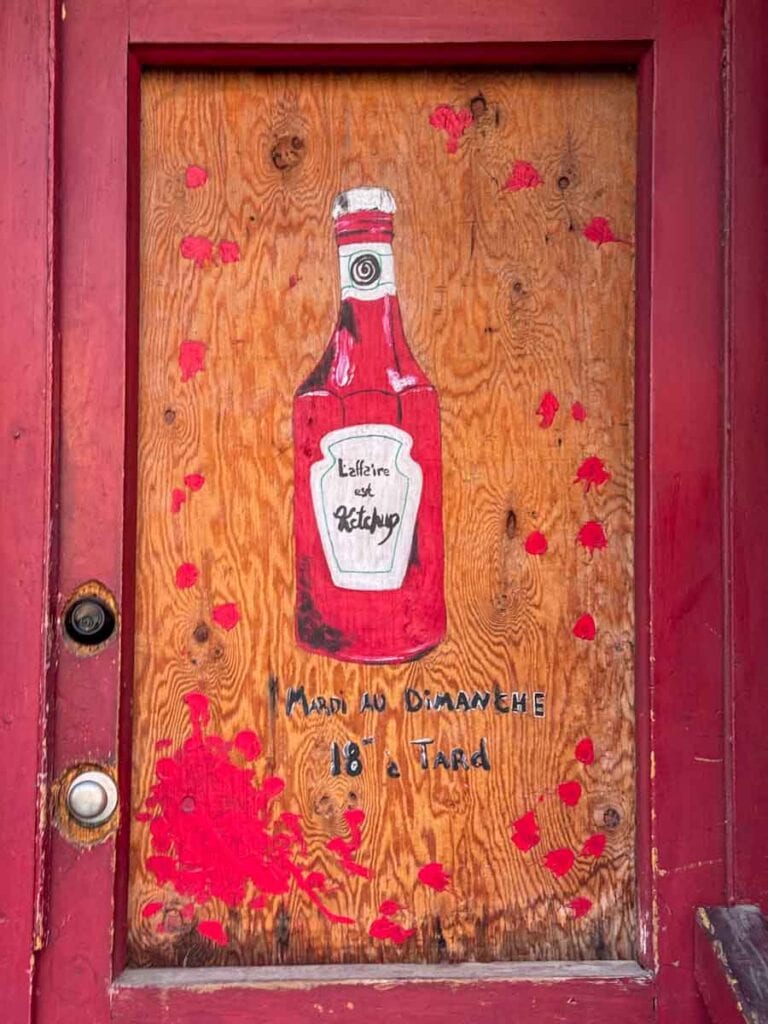
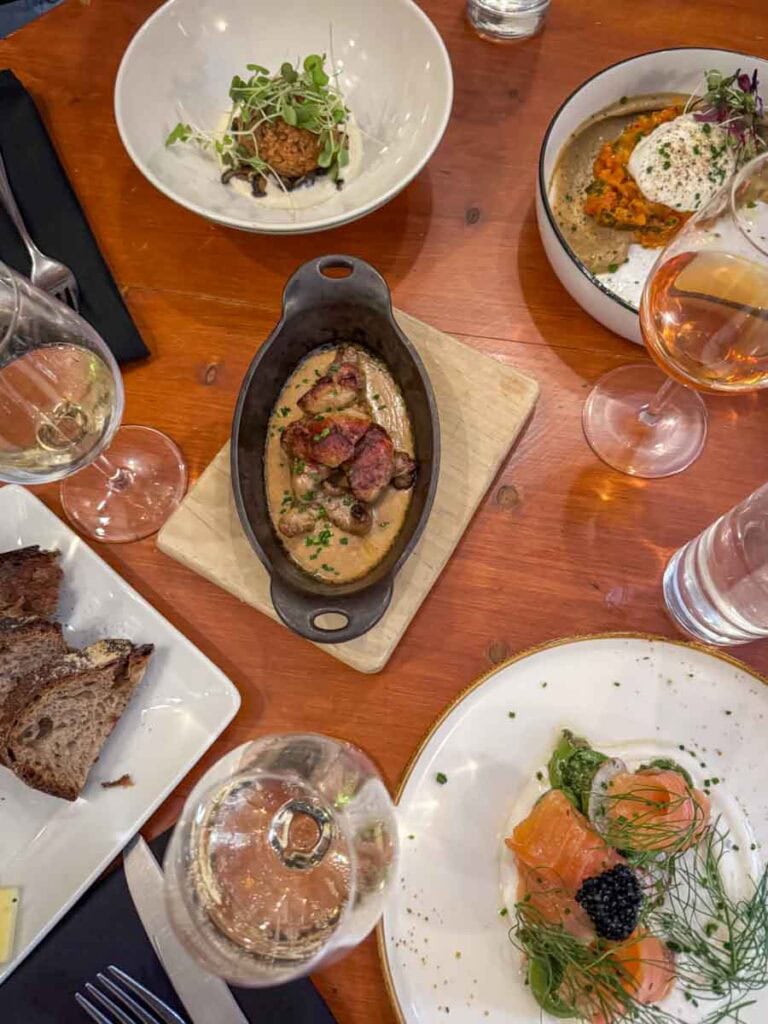
Saint-Roch’s L’Affaire Est Ketchup is an elevated bistro with a limited menu and just one seating a night. Anthony Bourdain ate here, so of course I had to also! Nearby Chez Tao! brings Southeast Asian street food into the mix with local ingredients, fun plating, and hip vibes.
JJacques was another standout meal for me. Its unassuming entrance makes it feel like a speakeasy, while inside is a sophisticated oyster bar with expertly-mixed cocktails.
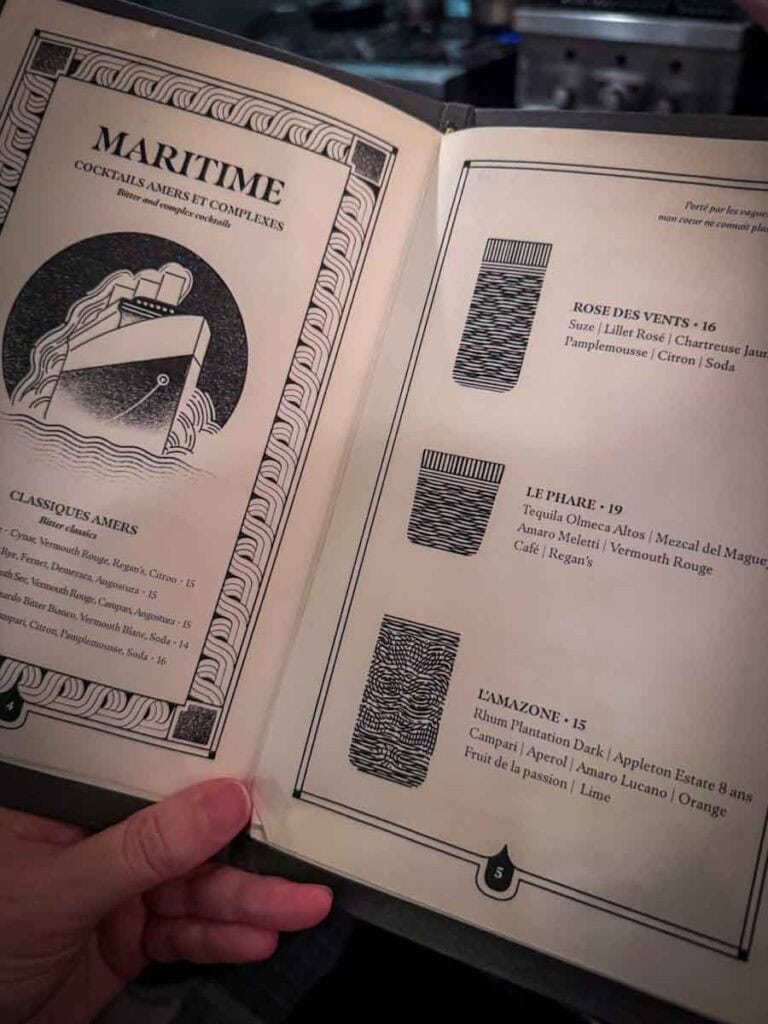
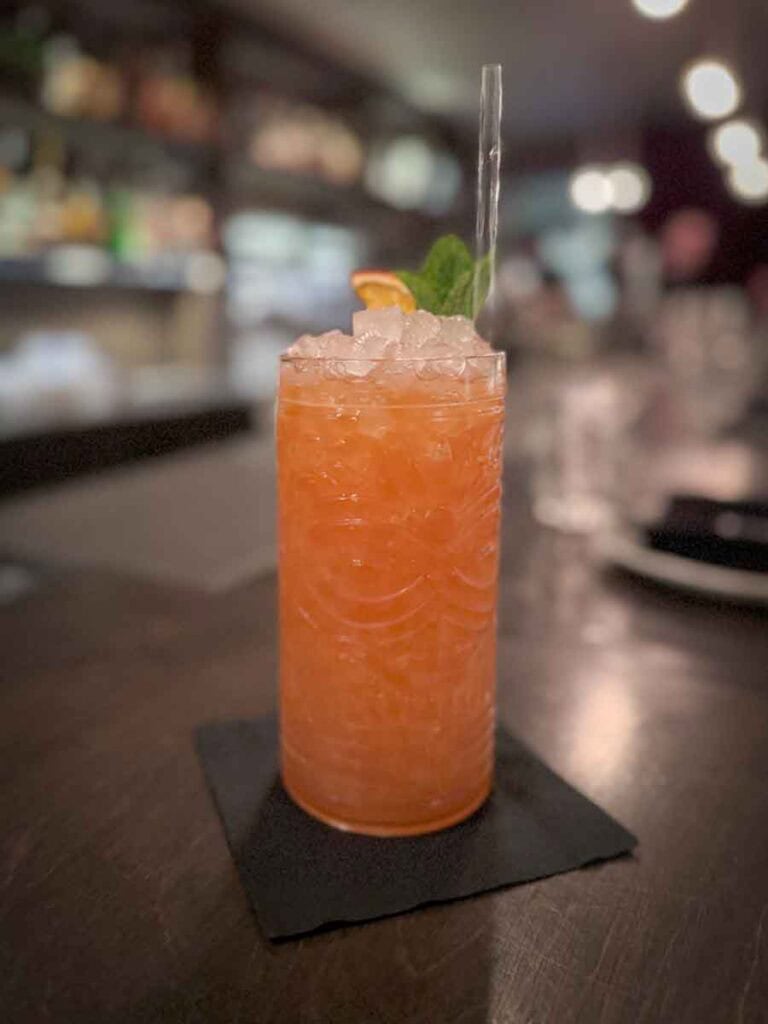
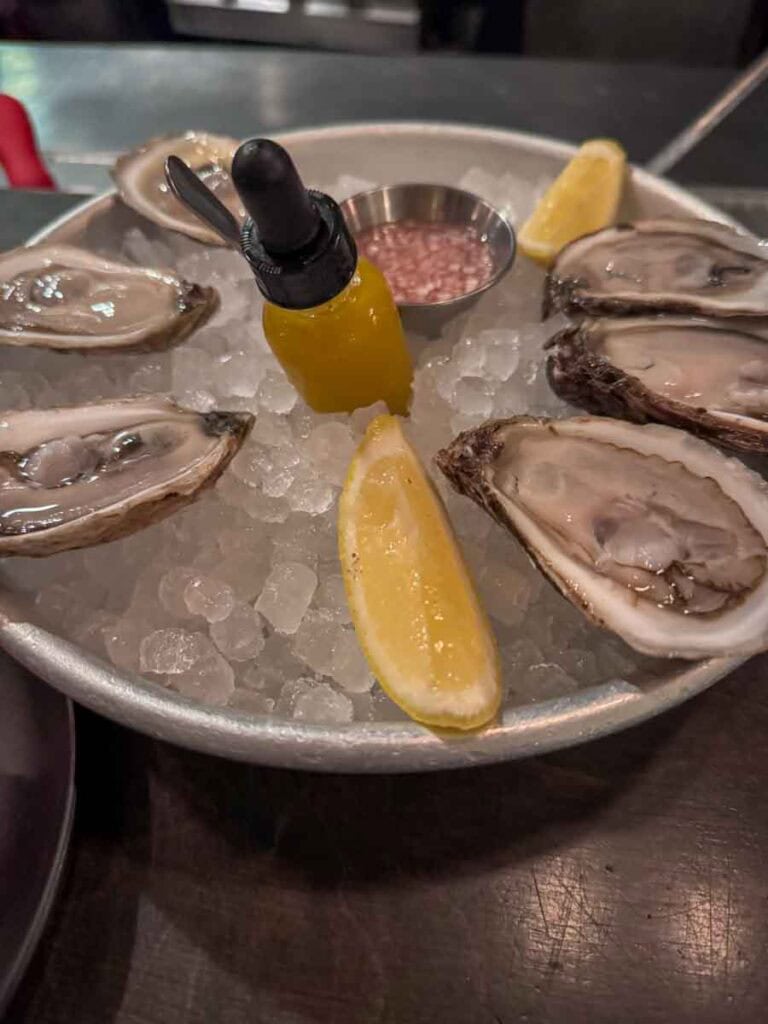
If you’re planning a more focused food experience, Légende by La Tanière runs a seasonal tasting menu that pulls directly from Quebec’s boreal pantry.
Breweries & Distilleries
Saint-Roch is the center of the city’s brewery scene. Noctem Artisans Brasseurs rotates small-batch house-brewed IPAs and lagers, plus a short food menu. La Korrigane, a community-rooted microbrewery, serves up pub fare and their own brand of artisanal craft beers.
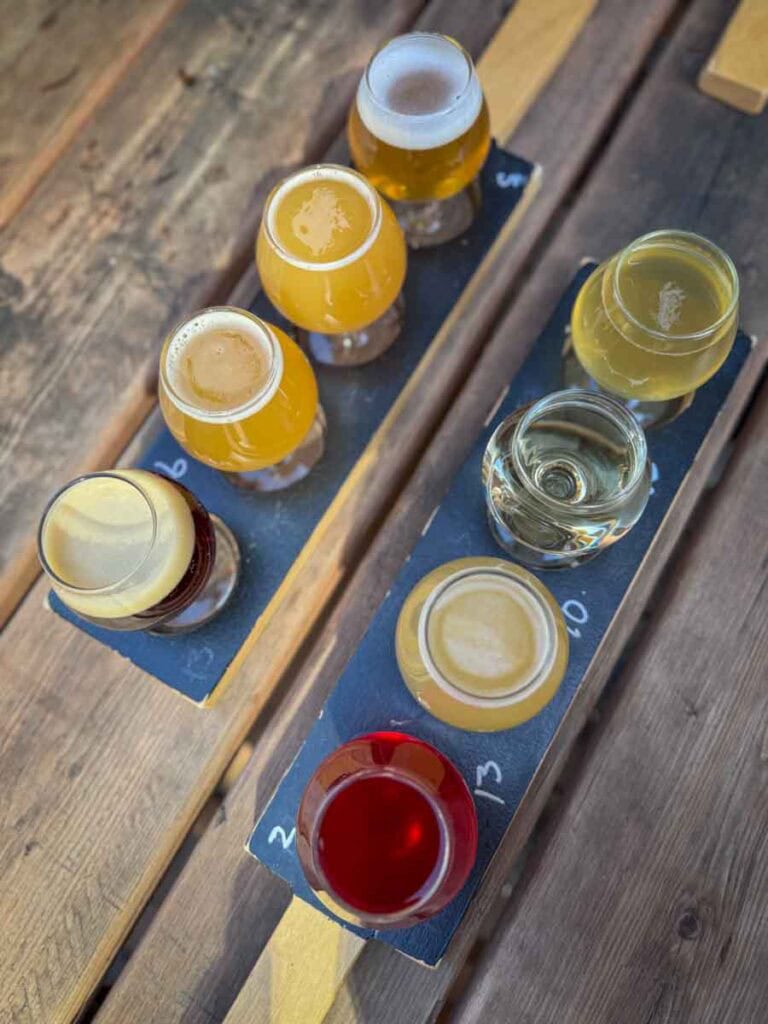
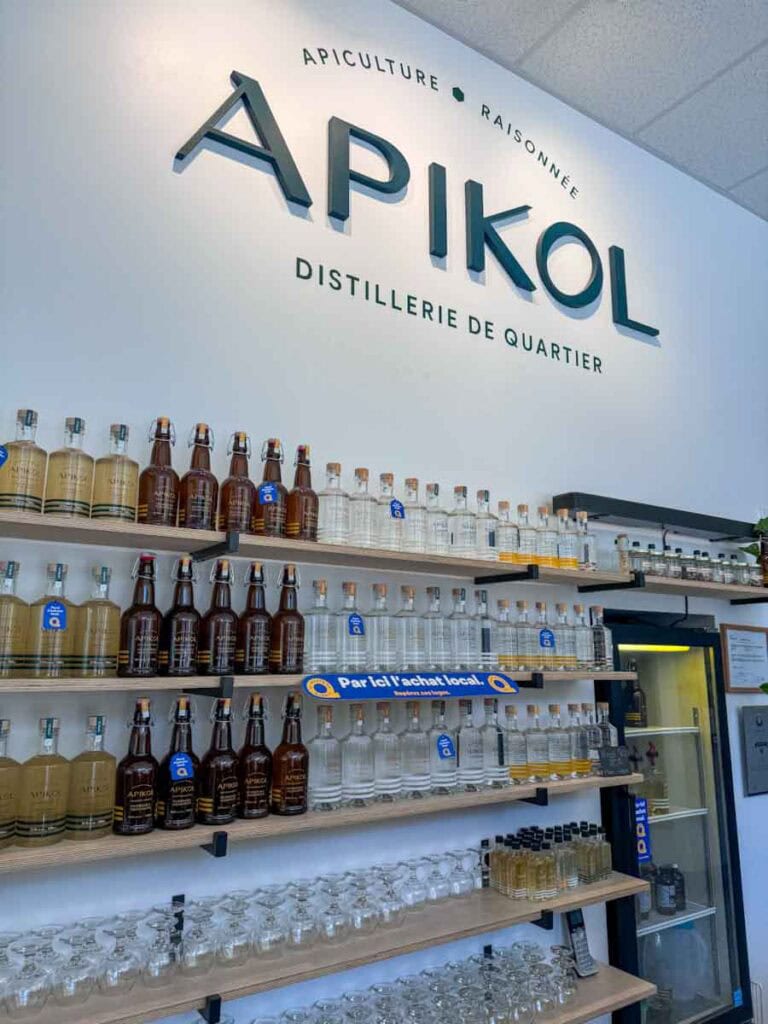
For something a little different, Apikol in Saint-Roch distills honey-based spirits made from their own urban hives. Book a tour and tasting to visit.
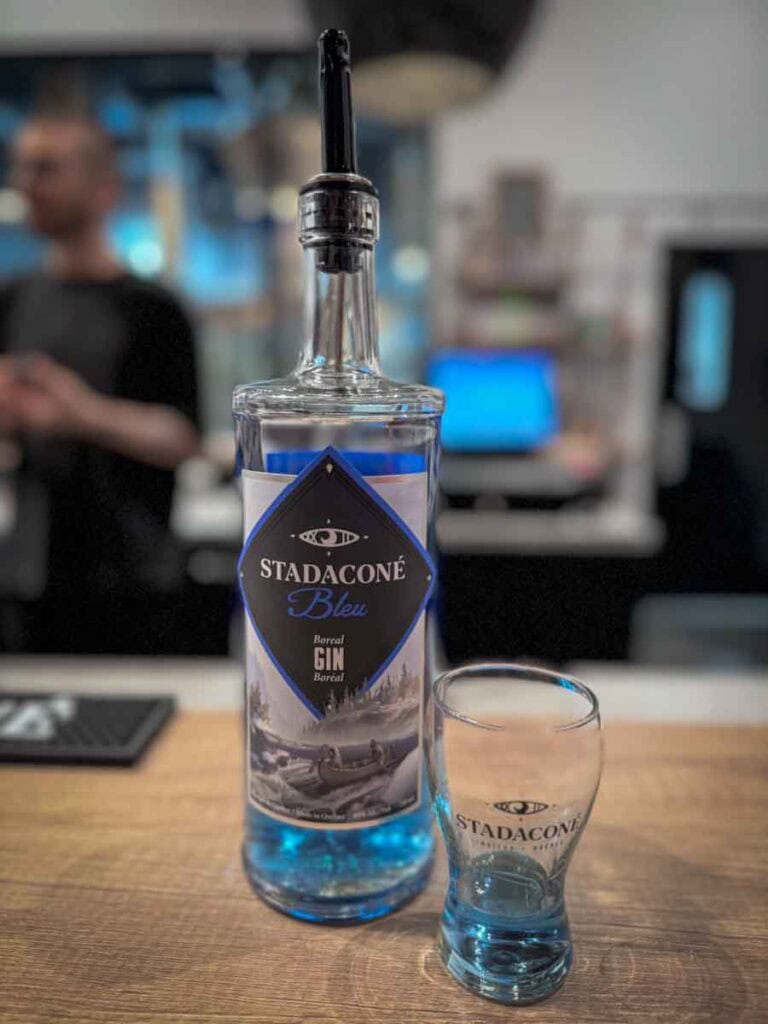
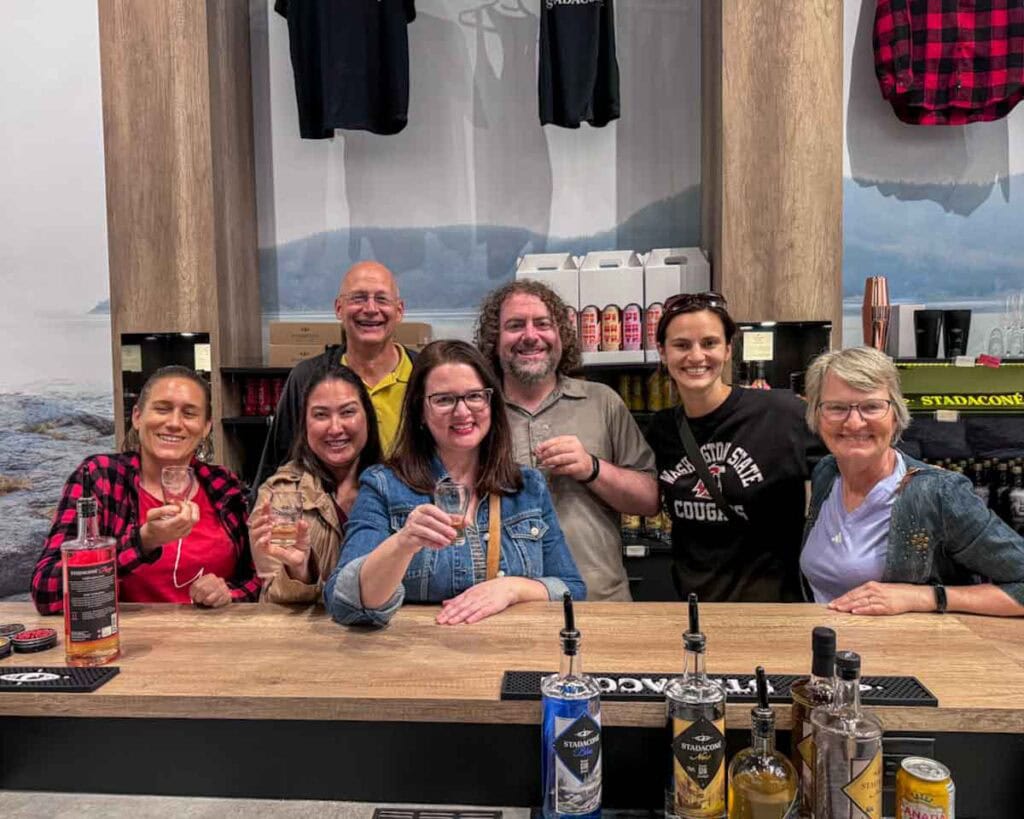
La Barberie has a tree-shaded patio and small bites in addition to their own beers. Nearby Stadacone Distillery specializes in Quebec gins made with local botanicals; book ahead for a tour and tasting, with the bonus of an escape room before you begin.

Cocktail Bars
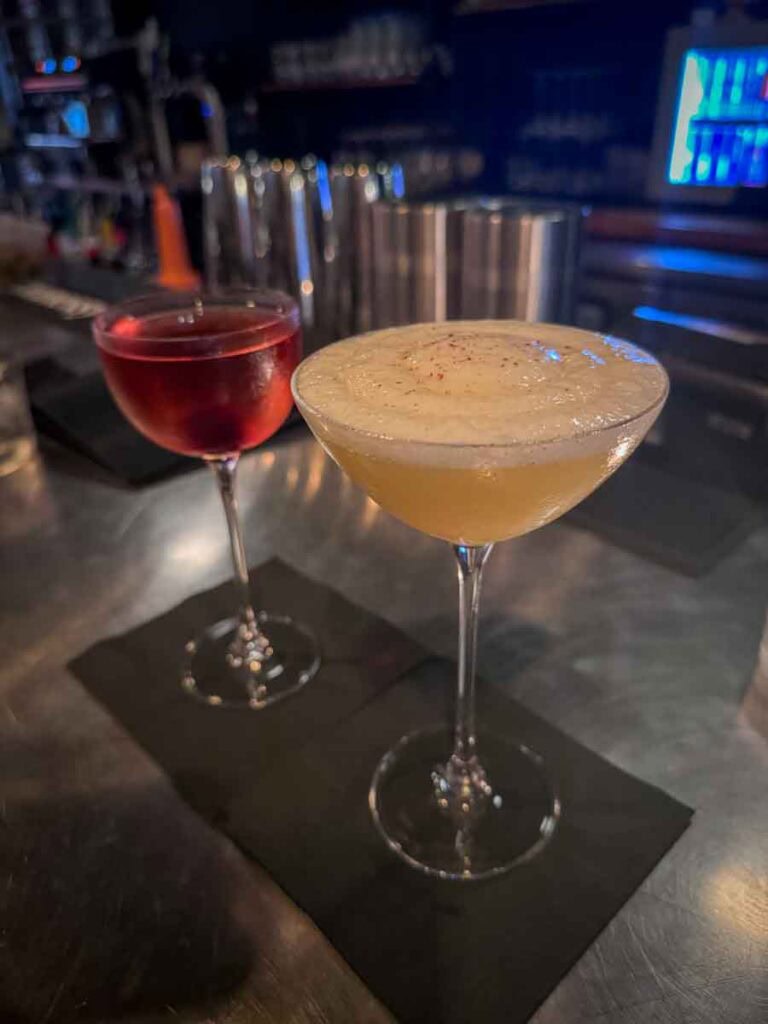
Beyond the usual tourist bars, I found a few top-tier cocktail bars that aficionados will want to add to their plans.
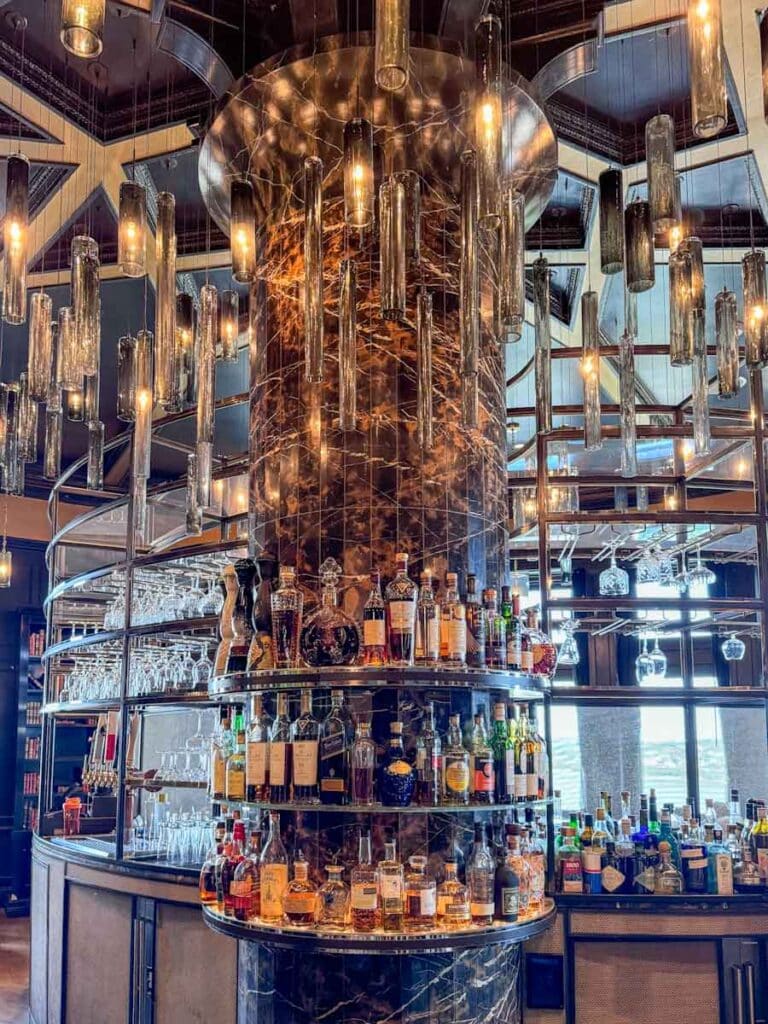
Bar 1608, inside the Château Frontenac, is a show stopper: a gorgeous bar with dark wood, swanky seating, and views of the Saint Lawrence. The cocktails are expertly crafted and as beautiful as they are tasty. It’s also another way to visit Chateau Frontenac if staying here isn’t in your budget.
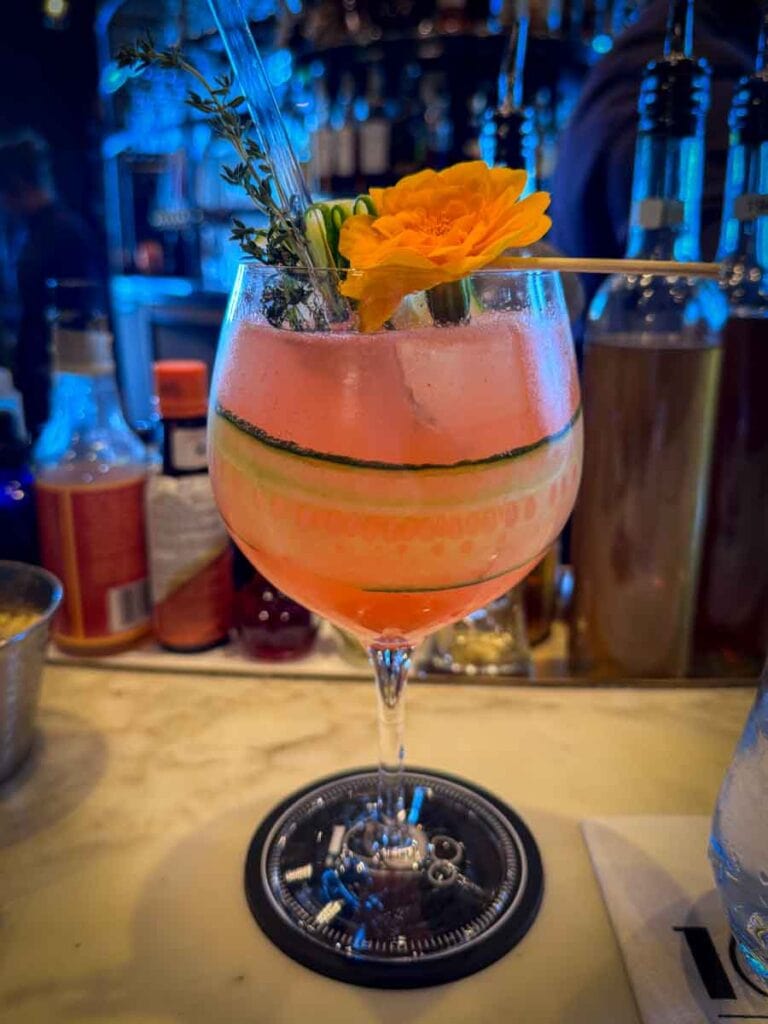
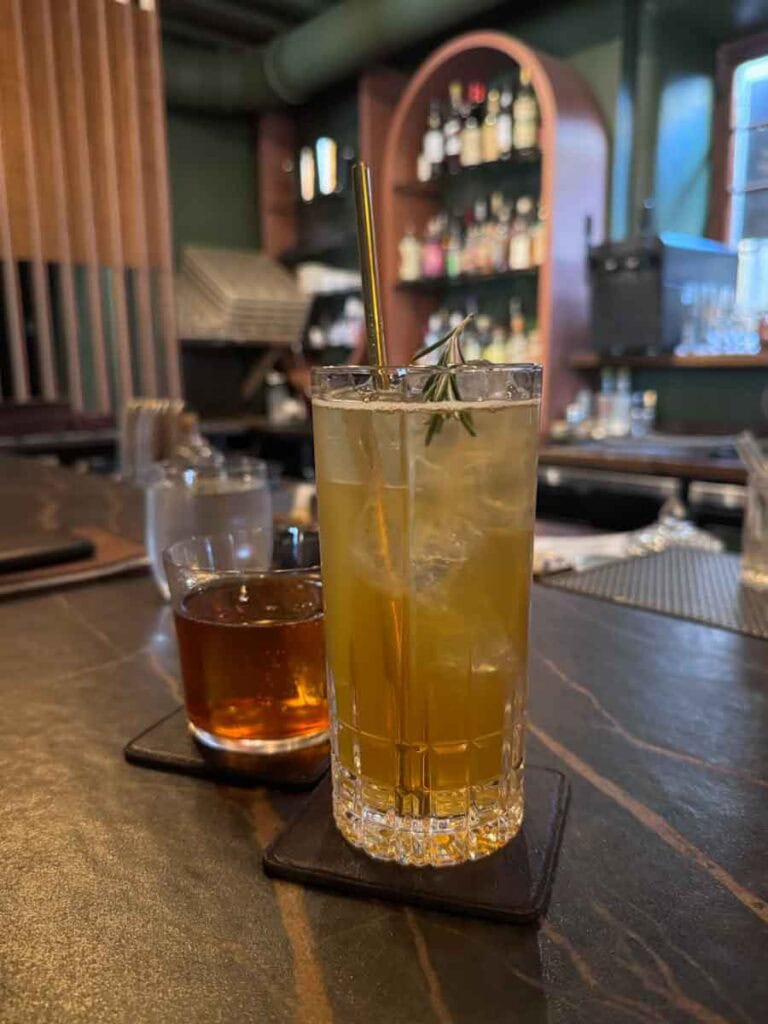
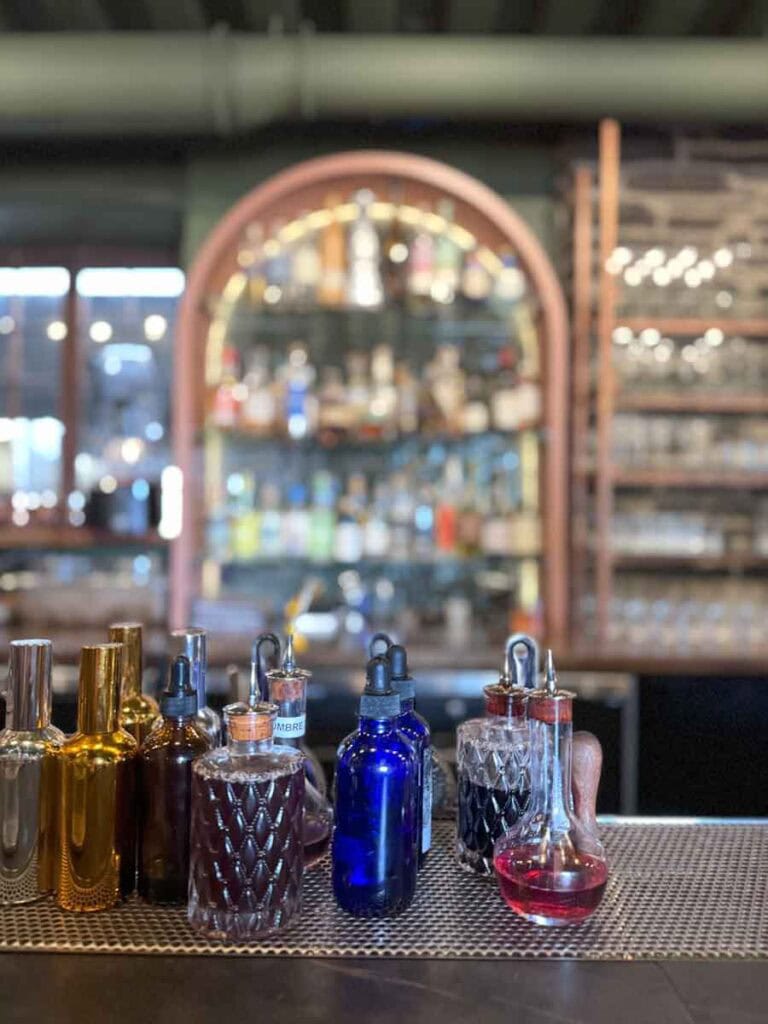
Nearby, Vieux Carré is a swank speakeasy with top-notch mixology and a shopisticated setting. It’s located inside Bistro L’Orygine.
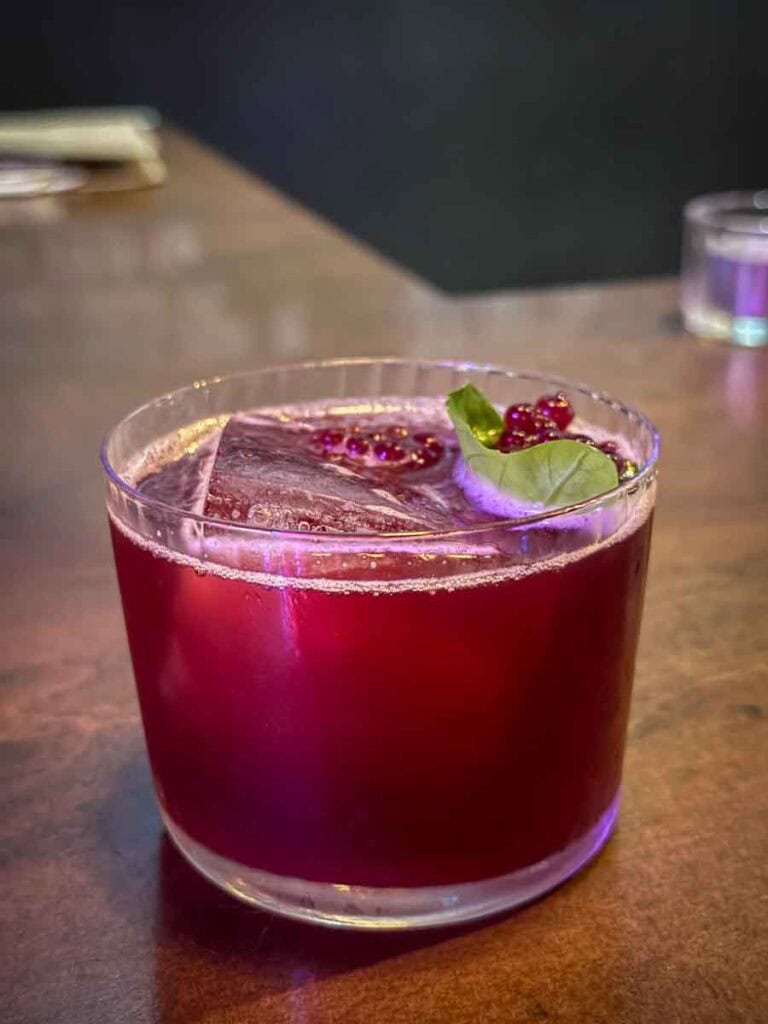
Jekyll & Hyde is a low-lit cocktail and tapas bar tucked into the Saint-Jean-Baptiste neighborhood, known for its creative drinks and moody, intimate atmosphere. I had the Mangue Interdite, which was my favorite drink of the trip.
Markets & Producers
If you want to get a feel for what’s grown, foraged, and made in the region, Le Grand Marché de Québec is the best place to start. Located a short ride from Old Quebec, this public market is open year-round with seasonal produce, cheeses, meats, prepared foods, and regional specialties like maple products and boreal herbs.
For a deeper connection to the land, head to Île d’Orléans, known as Quebec City’s “garden.” The island is home to cider houses, berry farms, cheesemakers, and vegetable growers. In summer and fall, it’s easy to spend half a day sampling fresh strawberries, local cassis, or maple taffy directly from producers. Many farms welcome visitors without a reservation, but tastings and guided experiences often require booking ahead. Most tourists book a tour that includes transportation; this top-rated food and drink tour is a best bet.
Art in Public & Unexpected Places
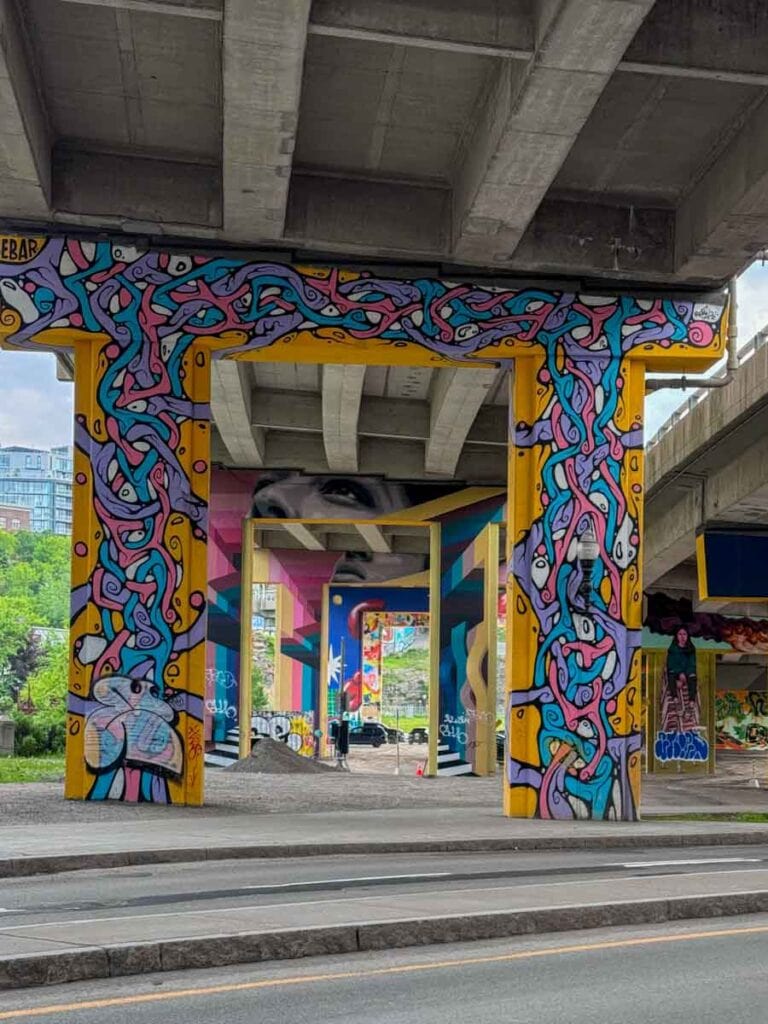
Public art in Quebec City shows up in unexpected places. Some works are part of larger municipal collections, while others appear through artist-led initiatives and seasonal installations.
One of the most active groups is EXMURO arts publics, a nonprofit that commissions site-specific works around the city. Their projects include murals, sculptures, and experimental structures, many of which are installed during the summer months.
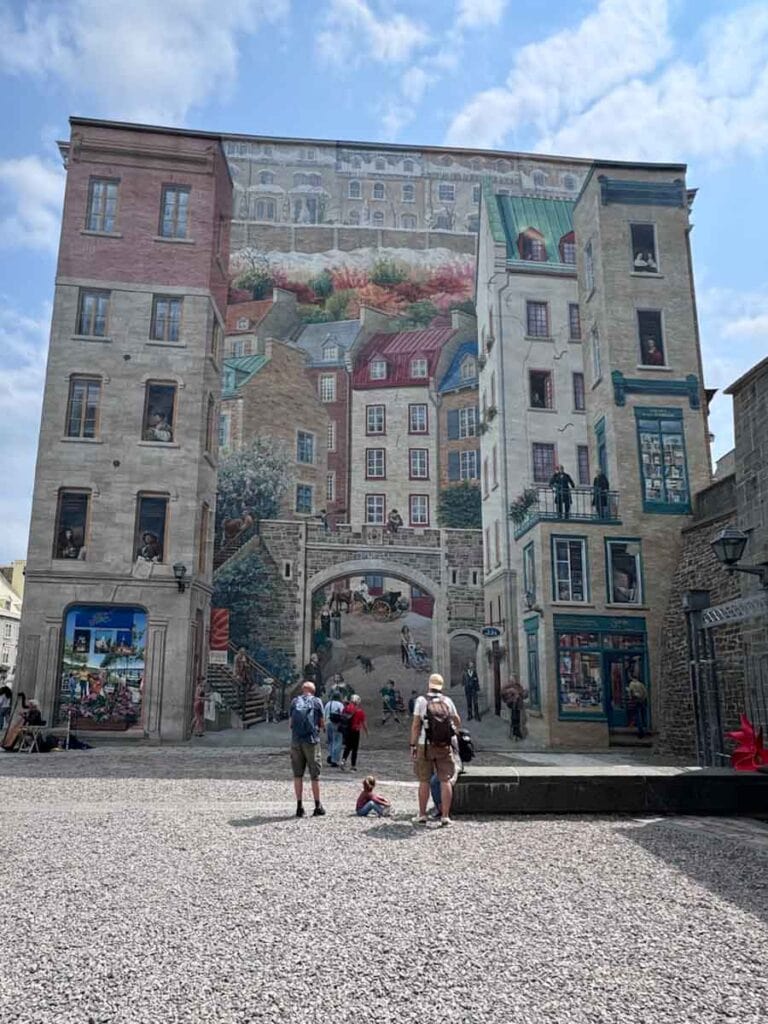
Two public art pieces by First Nations artists have been installed at Cap Diamant on the Plains of Abraham: Remembering Through Beads by Huron Wendat artist Ludovic Boney, and The 3 WatchMen by Haida artist 7IDANsuu, also known as Chief James Hart. (Map location here)
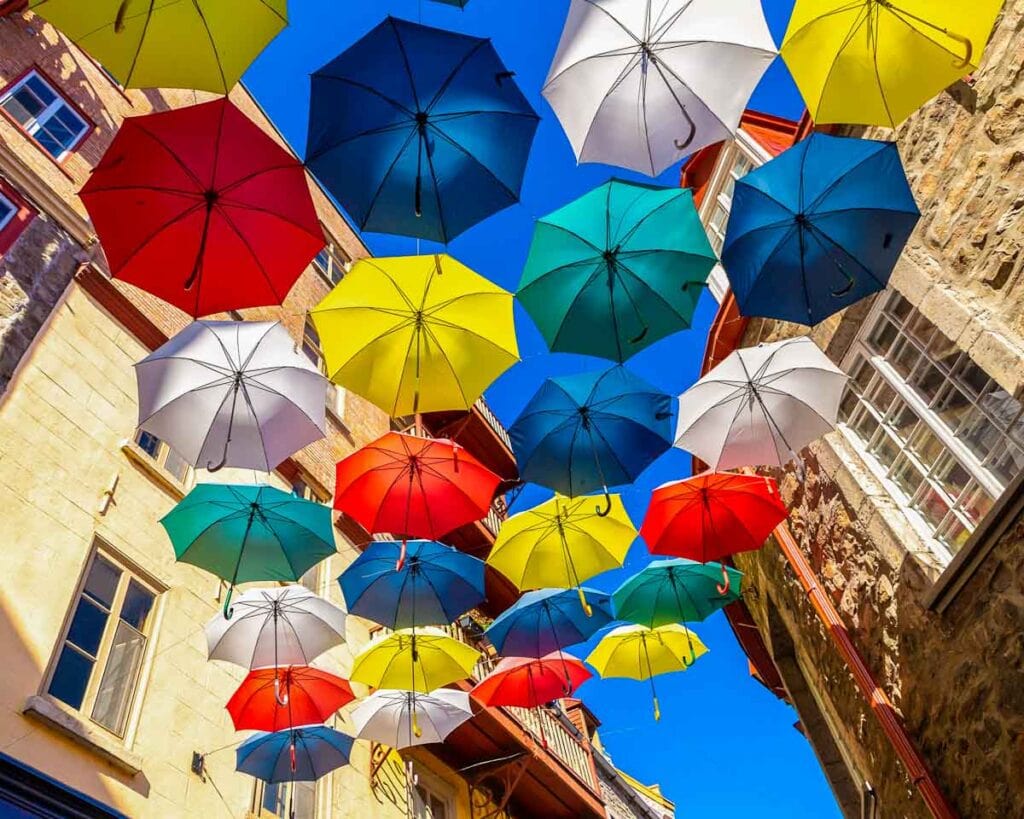
Umbrella Alley, located near Place Royale on Rue du Cul-de-Sac, is a small pedestrian street known for its colorful canopy of suspended umbrellas. The installation is seasonal and has become one of the most photographed public art spots in Old Quebec.
Art also turns up in quieter corners of the city in hotel lobbies, alleyways, and the stone courtyards that connect many of Old Quebec’s historic buildings. Some pieces are permanent, others seasonal. The city has a small list of documented public art, but the best bet is to wander and keep your eyes open for new additions.
Cultural Day Trips
Several destinations within an easy day trip from Quebec City offer a broader view of the region’s identity, from historic sites to working farms and First Nations communities.
Île d’Orléans
Ile d’Orleans is the easiest to reach, just a short drive from downtown and connected by bridge. The island is mostly agricultural, with roadside stands, vineyards, and cider producers open seasonally. You can drive the full circuit in a few hours or stop along the way for tastings and small museums tied to local history.
Most travelers opt to visit Île d’Orleans with a guided tour rather than renting a car. This top-rated food and drink tour is a best bet, or try a wine-focused experience or a tour of the island via ebikes. Private historical tours are also available.
Wendake
Wendake, located just northwest of the city, is home to the Huron-Wendat Nation. Visitors can explore the Huron-Wendat Museum, walk through a reconstructed traditional village, and book guided experiences that focus on cultural practices, food, and history. Visiting is one of the most direct ways to learn about Indigenous heritage in the region, and many experiences are available in English.
It’s also possible to stay at the onsite hotel or book a package that includes an overnight stay in a traditional Iroquoian longhouse.
Montmorency Falls
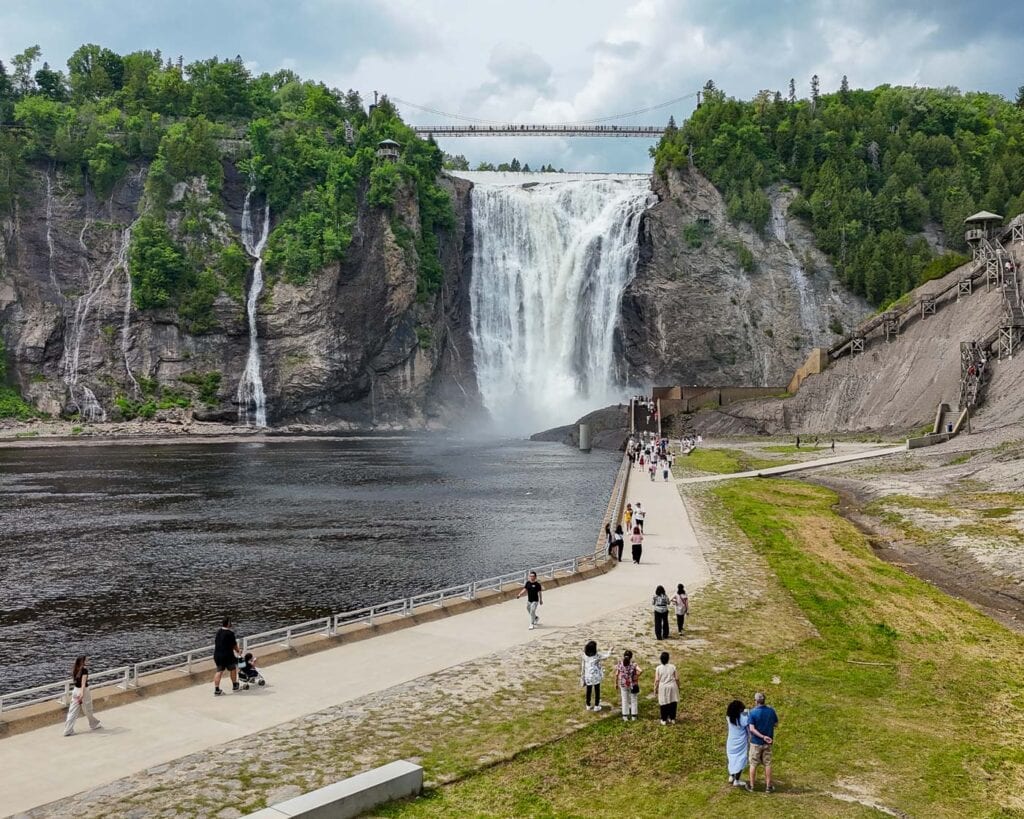
Montmorency Falls stands at 83 meters, taller than Niagara Falls, and has been part of Quebec’s history since the early days of French settlement. Named by Samuel de Champlain in 1613, the falls became a strategic site during military conflicts in the 18th century — particularly in the lead-up to the Battle of the Plains of Abraham.
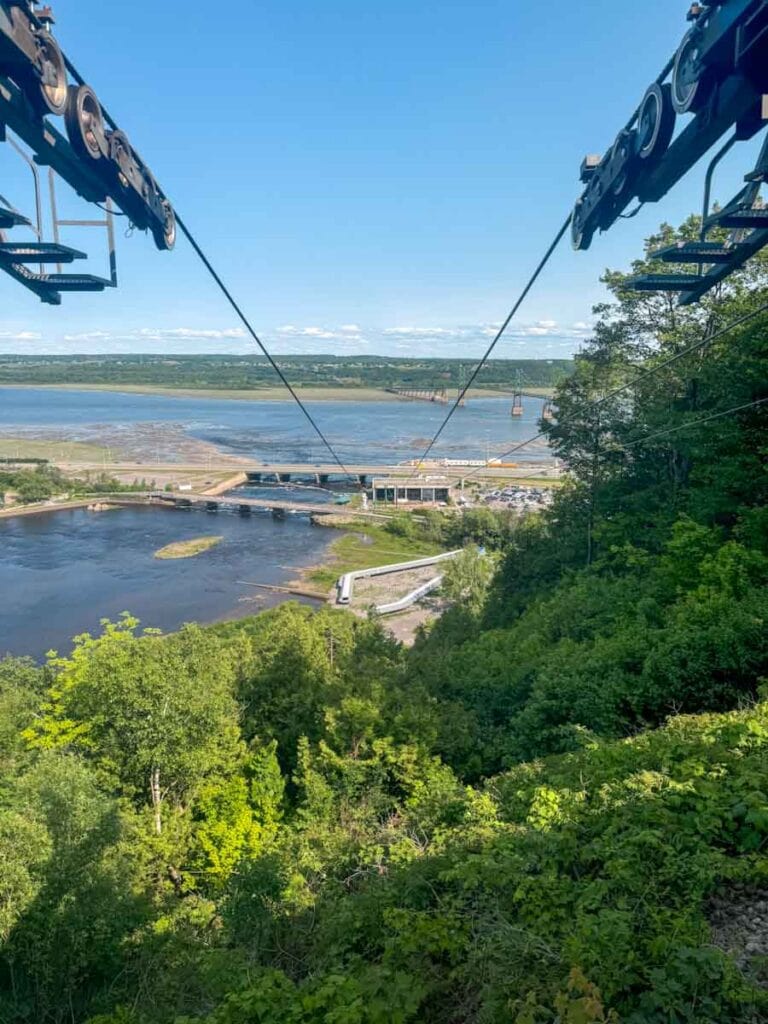
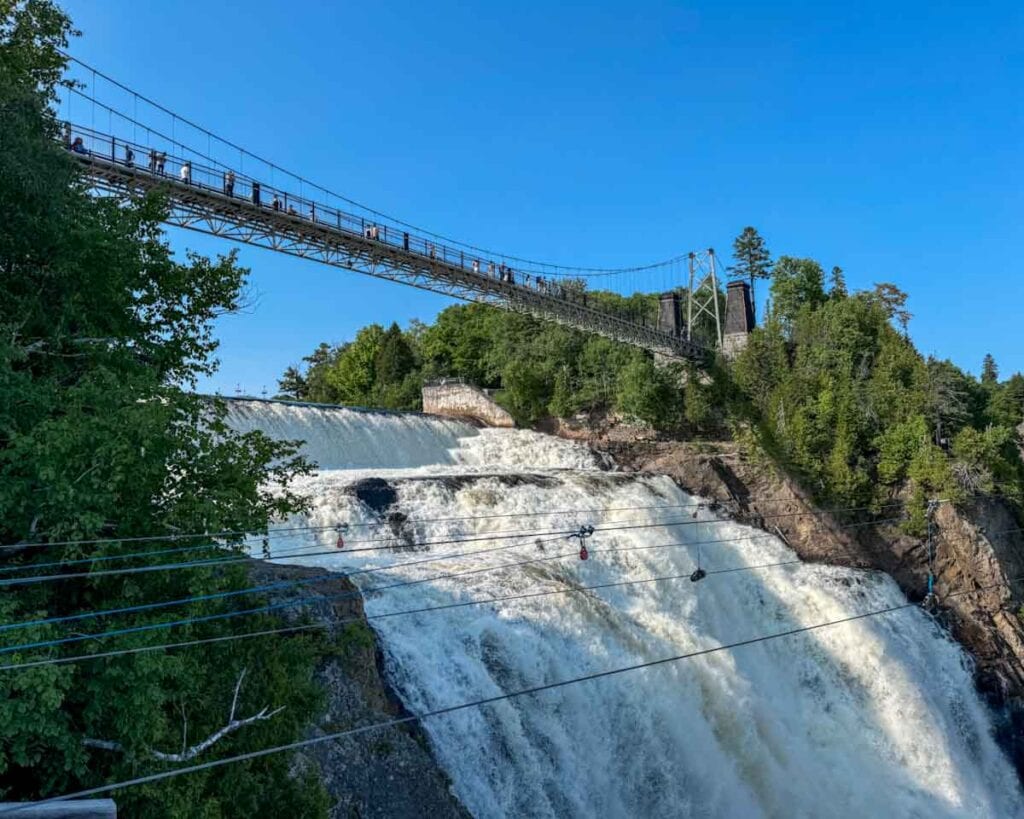
In the 19th century, the surrounding area was developed into an estate and then a public park. Today, visitors can cross a suspension bridge or zipline above the falls, take a cable car to the base, or follow walking trails.
It’s located a 15-minute drive from Quebec City or 50 minutes via bike or bus (take the 800 bus to the des Rapides stop).
Final Thoughts
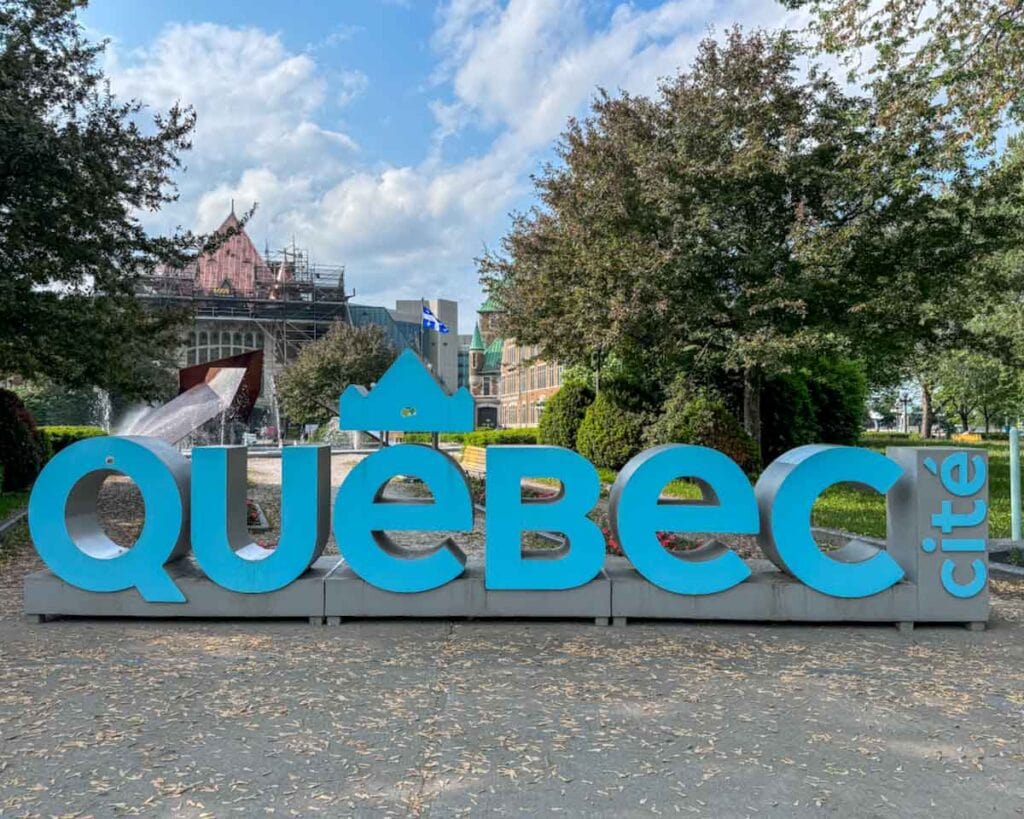
Quebec City is well deserving of its UNESCO status, but that only covers part of the story. For travelers interested in art, history, and food, it offers a steady pace and strong sense of place, without needing to pack your schedule.
It’s also easy to stretch a Quebec City visit into a longer itinerary. On this trip, I began in Montreal, then took a train to Quebec City. On my way back, I road-tripped through the Lanaudière–Mauricie region and spent a final weekend in Laval before flying out from Montreal.
Want to do the same? Grab my list of unique things to do in Montreal, my done-for-you Montreal itinerary, Lanaudiere-Mauricie itinerary, and guide to an adventurous weekend in Laval.
