
The Top 10 Things to Do in Curacao: Beaches, Culture + Cusine
Last Updated on January 8, 2026
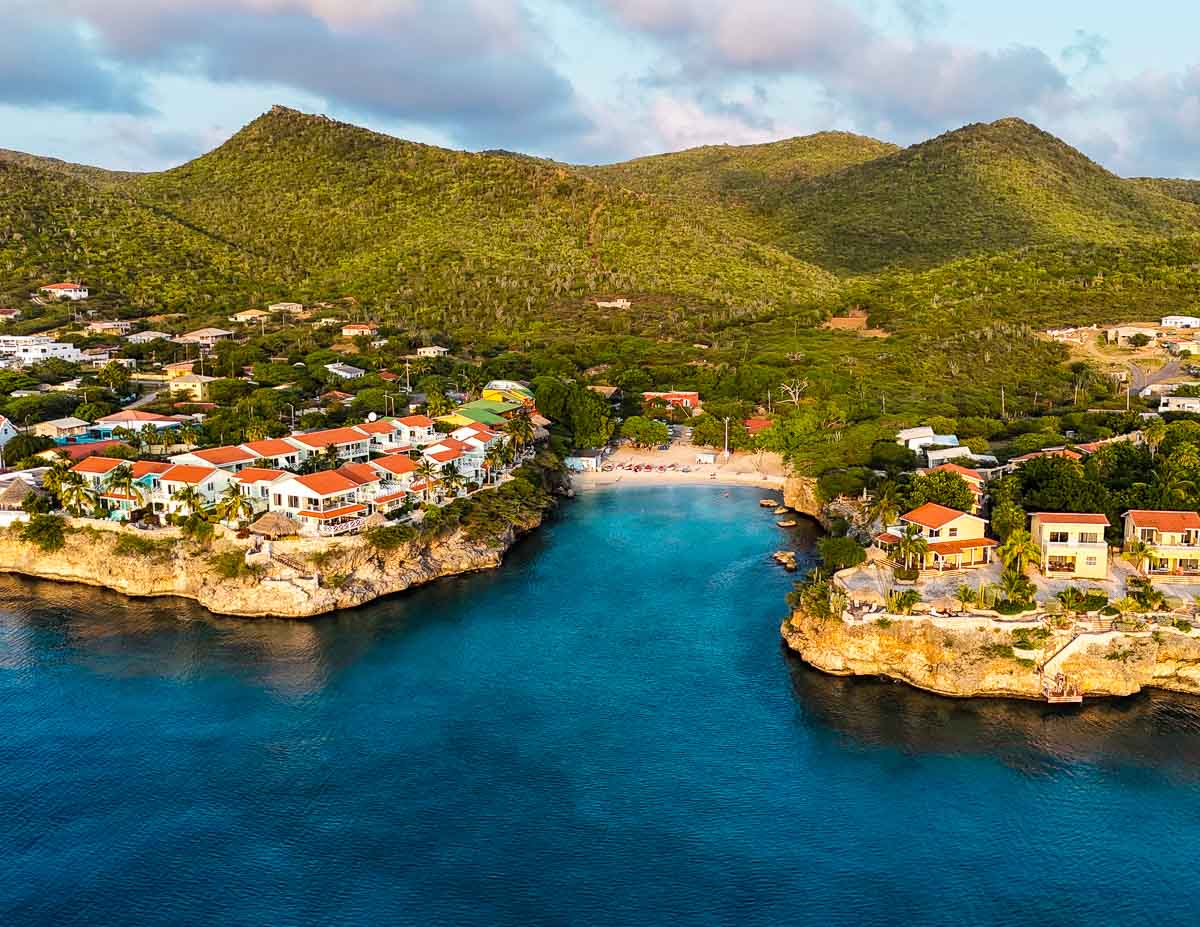
Curacao is known for dependable weather outside the hurricane belt, world-class diving and snorkeling you can reach from the shore, and a dining scene rooted in local flavors. But the island offers far more than beaches and cocktails. From historic neighborhoods to quiet coves and day trips off the coast, these are the top 10 things to do in Curacao.
Curacao has all the makings of a Caribbean favorite, with a few advantages that set it apart. It sits outside the usual hurricane belt, making it a dependable year-round destination. Scuba divers and snorkelers love it for the easy access to reefs and wrecks right from the shore. And for travelers who value food as much as beaches, the island has a dining scene that leans on local flavors rather than resort buffets.
This list brings together ten of the island’s highlights: colorful neighborhoods, historic estates, laid-back beaches, day trips, and food experiences that stand out. Whether you’re visiting for a week or just a few days, these are the stops that will help you understand Curacao.
Need more tips for your trip? Don’t miss my Curacao first-timers’ guide and best places to stay.
I independently evaluate all of my recommendations. I might receive compensation for any links you click on my site. Learn more.
Quick Tips for Visiting Curacao
Short on time? Grab all my best tips for Curacao!
ℹ️ Top Tips
- Rent a car and explore beyond Willemstad. The island’s best beaches, local food spots, and nature reserves are spread out, and you’ll miss a lot without wheels.
- Plan ahead for dining. Many of Curacao’s best restaurants have limited hours or fill quickly; reservations will save you from missing standout meals.
- Split your hotel stay. If you have a week or more, split your stay between Willemstad or Jan Thiel and the West coast.
🏨 Best Places to Stay in Curacao
- Willemstad: The Renaissance Wind Creek (Marriott), BijBlauw (boutique), Avila Beach Hotel.
- Jan Thiel: Plantation Jan Thiel Lodge (boutique), Bed & Bike Curacao – Jan Thiel (budget).
- Westpunt/Lagun: Lagun Blou Resort, Lagoon Ocean Resort and Bahia Apartments & Diving.
- Luxury/all-inclusives: Baoase Luxury Resort, Sandals Royal Curacao (adults-only, all-inclusive), Curacao Marriott Beach Resort (family-friendly).
🎟️ Top-Rated Tours + Unique Ways to Explore
- Visiting on a cruise? Book a Willemstad Shore Excursion
- Get to know the capital and island history with the best walking tour of Willemstad
- Visit Klein Curacao with Miss Ann’s Superyacht and Beach House
- For foodies: Curacao Private Food Tour or Curaçao Chef’s Table
🚌 Getting Around
- Buses are limited and rideshare apps don’t operate in Curacao, so you’ll need a car to get around outside Willemstad. The good news is that many local rental companies are well-reviewed like D&D Car Rental, Dushi Rentals, and several others.
👍 More recommendations and practical tips throughout the article!
In This Guide to the Top 10 Things to Do in Curacao
1. Wander Punda’s Colorful Streets

Punda is the most photographed part of Willemstad, and for good reason! Pastel Dutch colonial buildings line the waterfront, narrow streets hide small shops and cafes, and open plazas give you a chance to slow down and people-watch.
Start at the Handelskade, the row of bright buildings you’ll see on every Curacao postcard, then cross the Queen Emma Bridge for a view back toward the city. The bridge itself moves gently with the current as you walk, since it’s floating on pontoons.
Plan to wander. You’ll find art tucked into alleys, small boutiques selling local crafts, and shaded cafes where you can sit with an iced coffee and watch the foot traffic go by. Morning is best for cooler temperatures and fewer crowds, especially when cruise ships are in port.
Lola Washbar is a good option for breakfast or lunch here; for lunch or dinner, check out La Boheme, Kome, or The City Curacao on the waterfront.
Want to explore with an expert guide?

What Adrienne likes best about Curacao
Curacao feels easy in all the right ways: wild beaches where you can still find your own patch of sand, frozen drinks at beach bars that don’t rush you out, and great snorkeling right from the shore. Locals say “bon bini” and actually mean it. Cocktail hours come with a view of the sun dropping straight into the water. And there are so many great restaurants that you’ll want stretchy pants for the flight home. Curacao doesn’t try too hard to impress you — and that’s exactly why it does.
2. Explore Otrobanda and Kura Hulanda
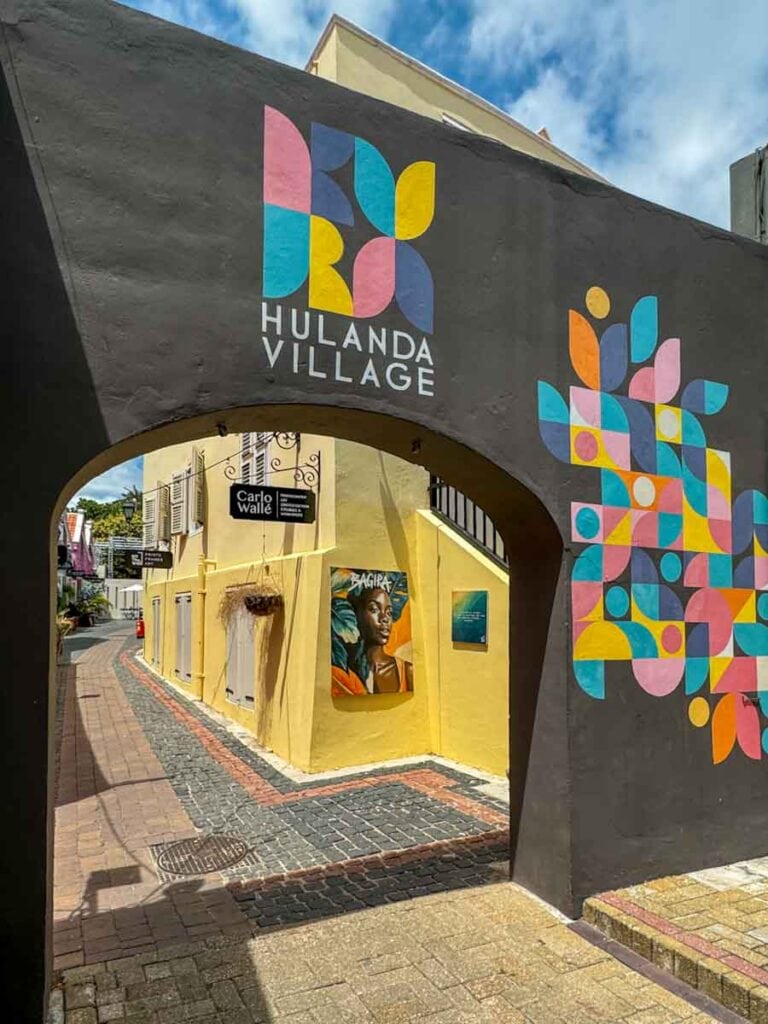
Otrobanda means “the other side,” referring to the neighborhood across the harbor from Punda. It has a grittier, more lived-in feel: street art stretches across building walls, music drifts from corner bars, and you’ll see more locals than tourists once you leave the waterfront.
One of its main draws is Kura Hulanda, a museum that tells the story of Curacao’s role in the trans-Atlantic slave trade. It’s part of a larger complex with cobblestone walkways, small shops, and restaurants; Rustiq is a standout here for fresh, well-prepared meals in a courtyard setting.
Other well-rated restaurants here are Grand Café “Gouverneur De Rouville,” Bario Food Yard, Bodega Siete Gotas, and Maira’s Kitchen.
The Haphazard Traveler Insider’s Tip: I’ve stayed at the Renaissance Wind Creek located in Otrabanda at the Rif Fort. It made a great base for exploring the city, plus had free parking and it’s part of the Marriott Bonvoy program. You can also book it on Expedia.
3. Snorkel at Tugboat Beach or Playa Lagun
Tugboat Beach is a local favorite, named for the small sunken tugboat just offshore that’s now home to colorful coral and fish. The swim out is relatively short and easy, and there’s a laid-back, hippie-style beach bar where you can rent snorkel gear, grab a cold drink and rent a lounge chair, or paint your own wooden beach sign to hang on the wall.
The Haphazard Traveler Insider’s Tips: Be sure not to leave anything in your car in the parking lot here. Instead, the cashier at the beach bar can store items for a small fee. Food options at the beach bar are basic, but it’s surprising how good a hot dog, chips, and limeade (known locally as “Awa di Lamunchi”) can taste after a swim!
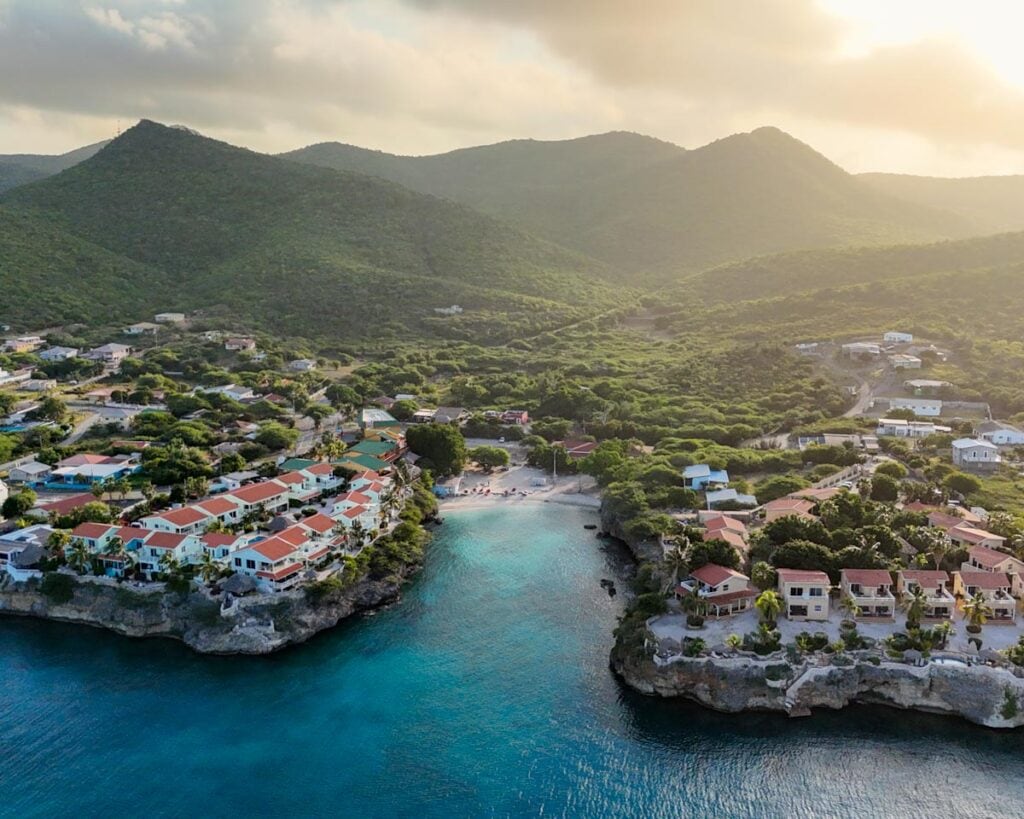
On the island’s quieter west side, Playa Lagun is a narrow cove framed by rocky cliffs. It’s one of the best spots for spotting sea turtles, especially if you snorkel along the edges. The calm water makes it ideal for less experienced snorkelers. The small boats on the beach make for great photos and give it a working-beach feel you won’t get at the bigger clubs.
I stayed here at Lagun Blou Resort, which has direct water access from a small dock and loungers on terraces above. (No sandy beach directly at the resort.) Lagoon Ocean Resort and Bahia Apartments & Diving are located on the opposite side of the cove; all three are well-rated and have options with kitchenettes.
The Haphazard Traveler Insider’s Tips: Loungers are available for a per-day fee. There are two restaurants here: Discover Lagun across from the beach parking area, and Bahia Restaurant just steps up from the sand on the cliffs overlooking the beach.
4. Spend a Day Beach-Hopping
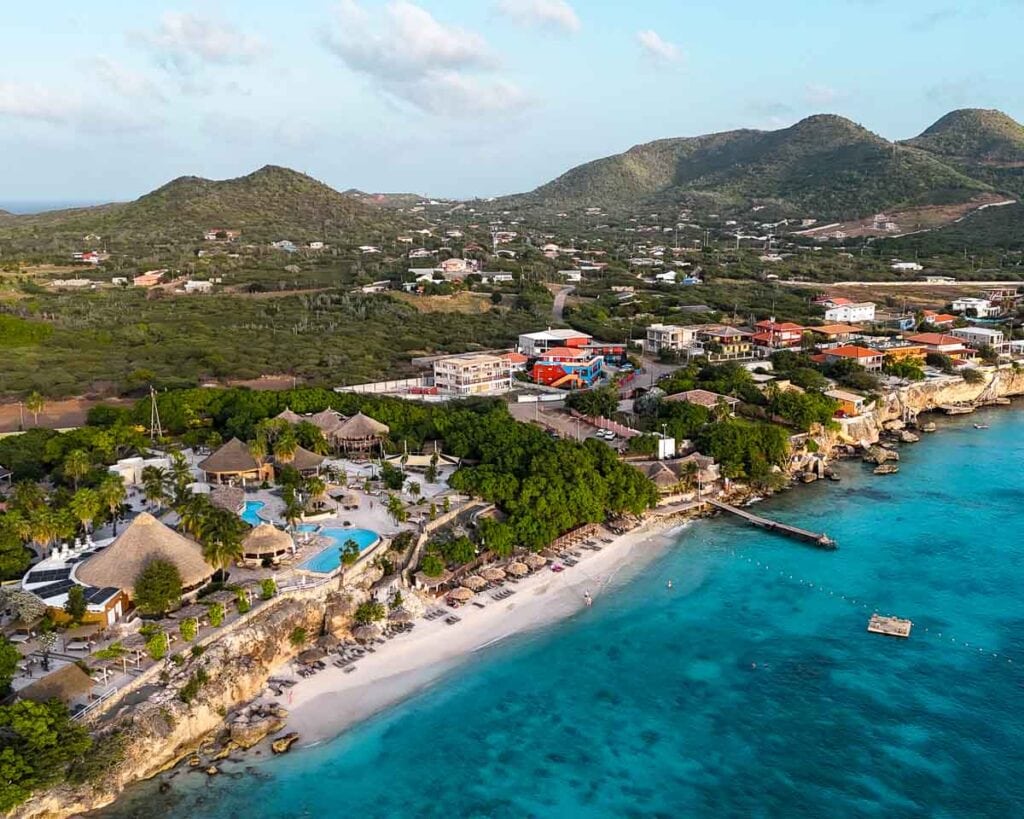
Some of Curacao’s best beaches are strung along the island’s west side, each with its own personality. Cas Abao has soft sand, calm water, and plenty of space to spread out. Playa Porto Mari is great for swimming and snorkeling, with facilities and a restaurant for easy breaks. Grote Knip and Kleine Knip offer postcard views and more natural surroundings. Playa Kalki has a large beach club and calm waters perfect for swimming.
A rental car makes it easy to see several in a single day. Pack water shoes since many beaches have a patch of broken coral at the shoreline, and bring small cash for entry fees or chair rentals.
If you’re not in a rush, pick one beach for the morning, grab lunch nearby, then spend the afternoon at another before heading back toward town.
5. Drive or Tour Christoffel National Park

Christoffel National Park covers the island’s northwestern tip, with rugged hills, cactus-studded landscapes, and sweeping views all the way to the ocean. If you want to hike to the top of Mt. Christoffel, the island’s highest point, you must start early; park rangers won’t let you begin after 10 a.m. because of the heat.
The trail is short but steep and challenging, with the final section requiring some climbing and scrambling up rocks. The payoff is a 360-degree view of the island, and an especially beautiful place to view sunrise for those who begin very early.
If hiking isn’t your style, you can still see plenty by driving the park’s scenic loop or taking a guided tour. Expect to see native orchids, white-tailed deer, and plenty of birds. The loop also connects to viewpoints where you can watch waves crash against the cliffs far below.
Pro tips: Pack a headlamp so you can begin early, preferably as soon as the park opens. Allow at least an hour to reach the top. Be sure to bring enough water for each person. Avoid hiking after a rain, as the trail becomes quite muddy.
Or, hit the “easy button” and book a tour that includes transportation:
6. Visit Landhuis Chobolobo and Landhuis Bloemhof
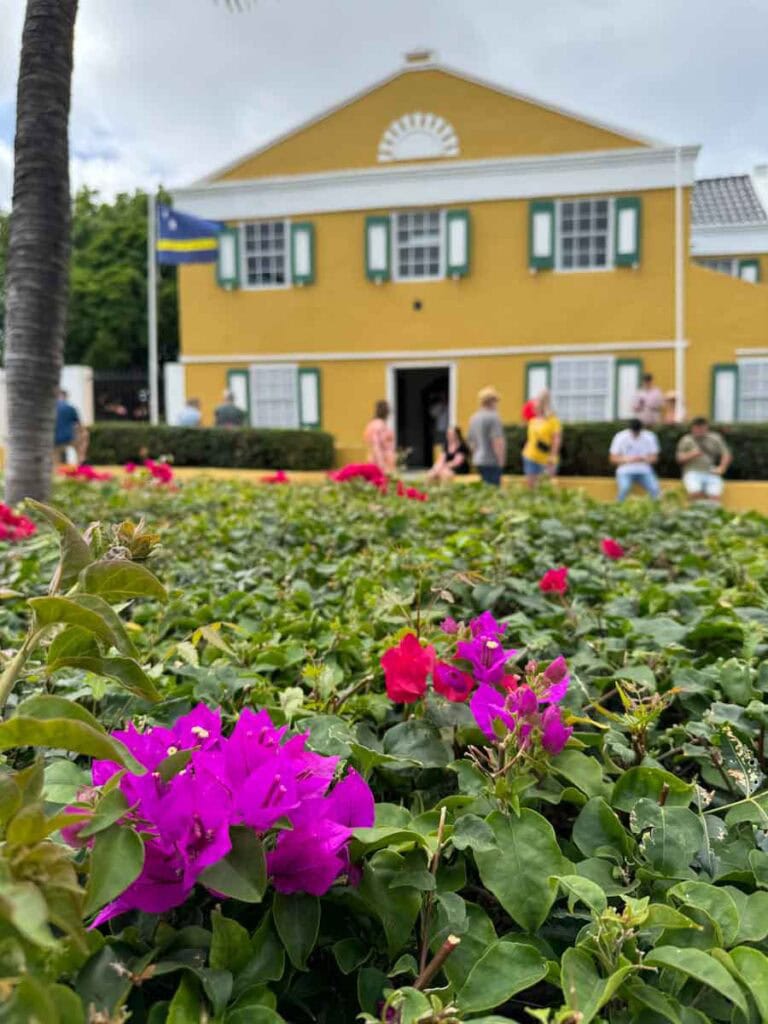
Curacao’s historic country estates, or landhuizen, now house everything from museums to art centers. Landhuis Chobolobo is home to the famous Blue Curacao liqueur. You can take a short self-guided tour to learn how it’s made, then sample a few varieties at the bar.
Visit tips: I opted for the deluxe guided tour which included two drinks and ice cream following the tour. We also had a shaded patio area reserved for us where a server took our drink orders and brought them from the bar. Cocktail aficionados might also enjoy the tour that includes a cocktail workshop.
For a different kind of stop, Landhuis Bloemhof blends history, art, and island culture. Once a plantation home, it was later owned by artist and writer May Henriquez, who turned it into a creative hub for local and visiting artists. After her death, it became a museum and cultural center to continue her work.
Visitors can explore the rotating art exhibitions, sculpture garden, and parts of the original home, including spaces where Henriquez lived and worked. Even if you’re not usually into galleries, the mix of history and creative energy here makes it a unique stop.
The Haphazard Traveler Insider’s Tips: Be sure to plan extra time to visit the grounds, which have shady forest trails dotted with installations, leading to the Cathedral of Thorns, a striking, walk-through art structure made from thousands of thorn branches by artist Herman van Bergen. Within the thorns additional works of art are displayed.
- Website: Landhuis Bloemhof
7. Explore Hofi Mango
Hofi Mango is a quiet nature reserve near Barber, known for its shady trails and grove of historic mango trees, some believed to be more than 300 years old. The walking paths are easy to follow and give you a close look at native plants, iguanas, and local birdlife as well as a historic sugar mill.
There’s a short climb to a viewpoint where you can look out toward Christoffel Mountain, making it a nice spot to combine with a drive through the park or a visit to nearby beaches.
The on-site restaurant Kultura Kòrsou serves lunch and afternoon tea, both worth planning for. Reservations are recommended.
To visit, book online ahead of time for cheaper tickets or to reserve a spot on a guided tour.
- Website: Hofi Mango
8. Local Must-Try Food and Drink
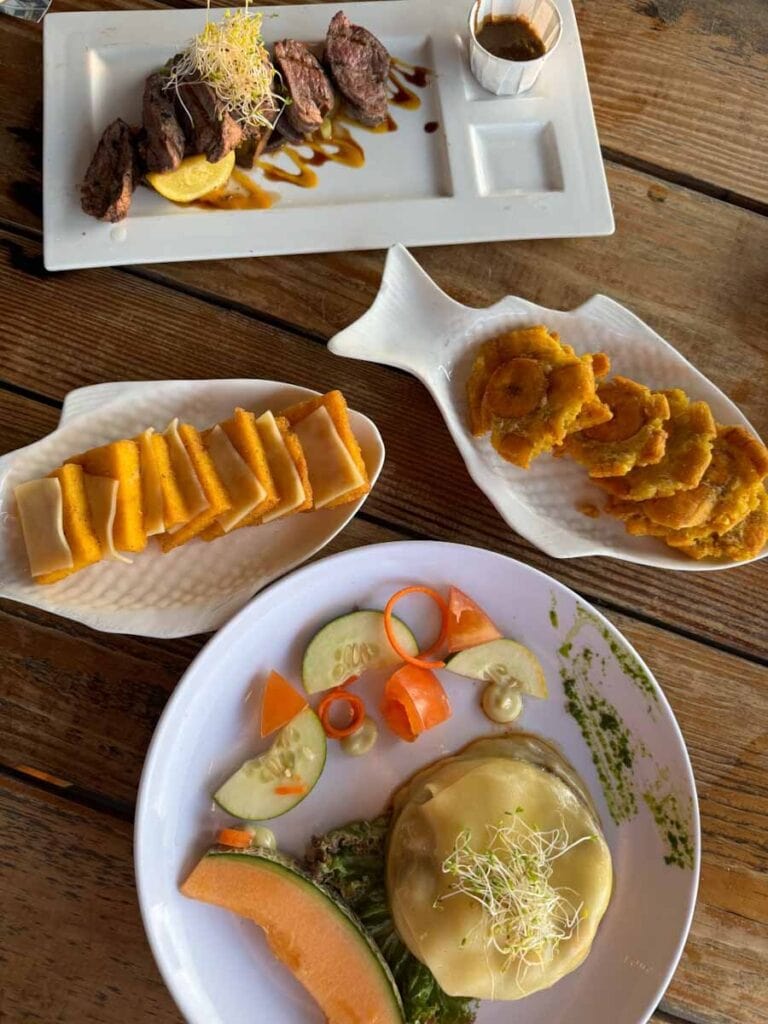
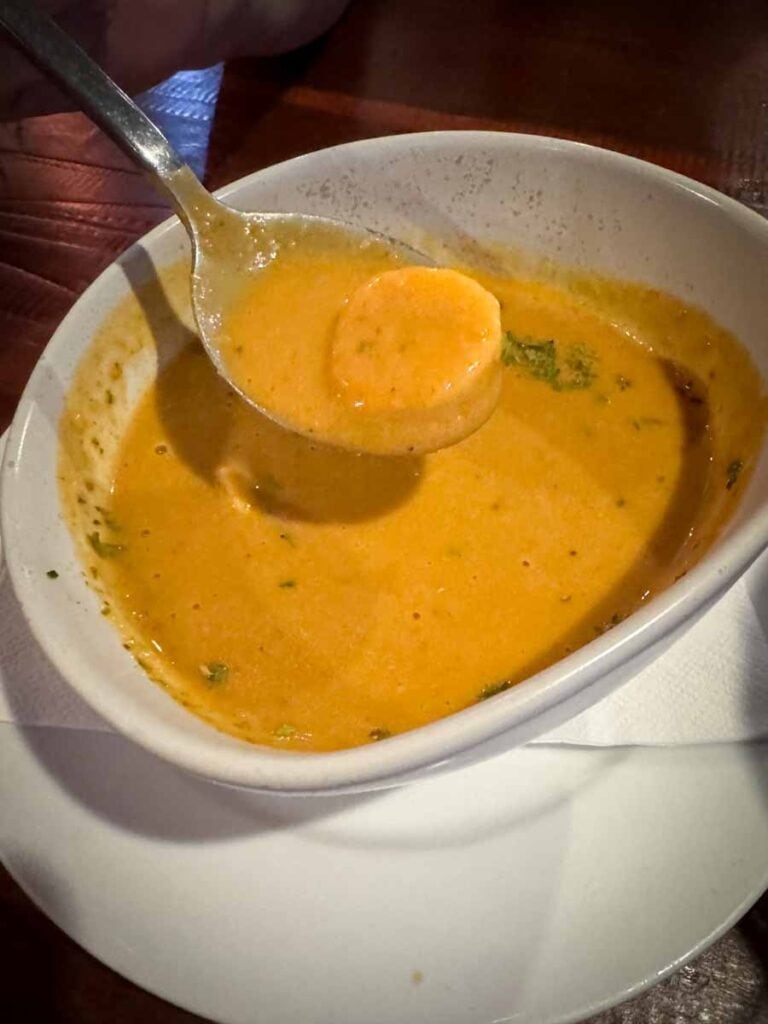

Curacao’s food scene blends Caribbean, Dutch, and Latin flavors, with plenty of unique dishes worth seeking out. Start with lionfish if you see it on the menu: it’s an invasive species that’s delicious grilled, fried, or served as ceviche.
For street food, head to a truki pan (nighttime food truck) for grilled meats and fries. Or keep an eye out for snack bars (often called a snek) which are casual, no-frills bars and eateries that function as a neighborhood gathering spot. Locals often stop for a quick bite, a beer, or even to watch sports on TV, and snack menus lean toward fried foods, Chinese-Caribbean dishes, sandwiches, and grilled meats.
Traditional dishes like stobá (goat stew), banana soup, keshi yena (stuffed cheese), and ayaka (cornmeal wrapped in banana leaves) show up on menus at local restaurants and food stalls like Plasa Bieu in Punda.
For drinks, try a frozen cocktail made with Blue Curacao liqueur, or head to Netto Bar in Otrobanda for their famous rom berde (bright green rum). It’s easy to spend a trip just beach-hopping, but these flavors are just as much a part of the island.
If you’re skipping alcohol, look for awa di lamunchi (a local limeade) or the fresh bottled piña colada mix sold in grocery stores. While I’m sure it’s meant to be mixed with rum, it’s just as good poured over ice on its own!
9. Take a Day Trip to Klein Curacao
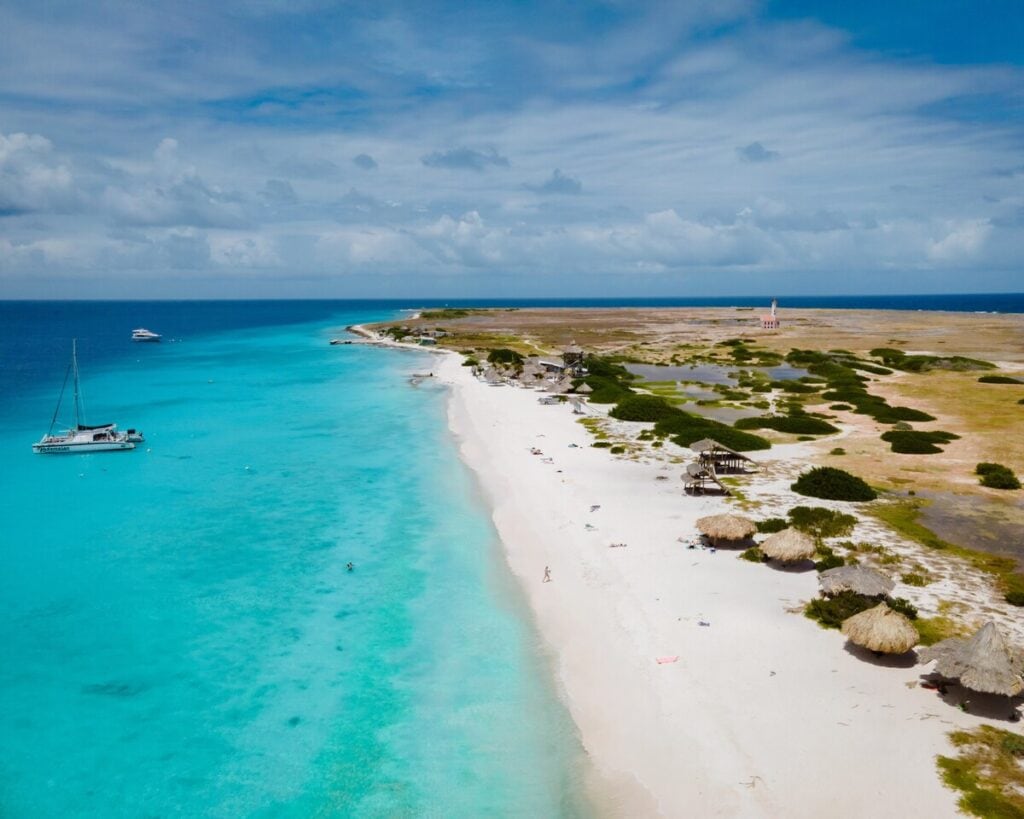
Klein Curacao is a small, uninhabited island about 15 miles off the coast of Curacao, known for its long stretch of white sand, turquoise water, and its weathered lighthouse. Most visitors get there on a day trip by boat, which takes about two hours each way, and typically includes breakfast and lunch.
The ride out is against the current, which is what makes it rough, especially from late summer into early winter when the trade winds are stronger. Once there, you can swim, snorkel, walk to the lighthouse and shipwreck, or relax on the sand.
Mermaid Tours and Ms. Ann Boat Trips both have shaded picnic areas, restrooms, and private lounge spaces set up on the island. Other operators rely on facilities aboard their boats. Most tours leave early in the morning and return by late afternoon, so it’s a full-day outing.
Bring reef-safe sunscreen, a towel, sun protection clothing, and anything else you’ll need for the day; there are no permanent shops or restaurants on the island.
While the ride there can be a bit intense, if you’ve never been to a deserted island, I recommend adding Klein Curacao to your itinerary!
Book with Miss Ann | Book with Mermaid Tours
The Haphazard Traveler Insider’s Tip: The only seasickness remedy that has worked for me without causing over-drowsiness is Bonine. A boat captain friend-of-a-friend once suggested taking half a tablet the night before and the rest in the morning, and I haven’t been seasick since I began following this tip!
10. Catch Sunset with a Cold Drink

One of my favorite things to do in a destination is to find the best place for a sunset drink. Curacao’s west-facing coast delivers some of the most beautiful sunsets in the Caribbean, so there’s no shortage of great places for this!
Close to the capital, Fort Nassau overlooks Willemstad with panoramic views. Be sure to make a reservation since time slots fill up during peak visit periods.
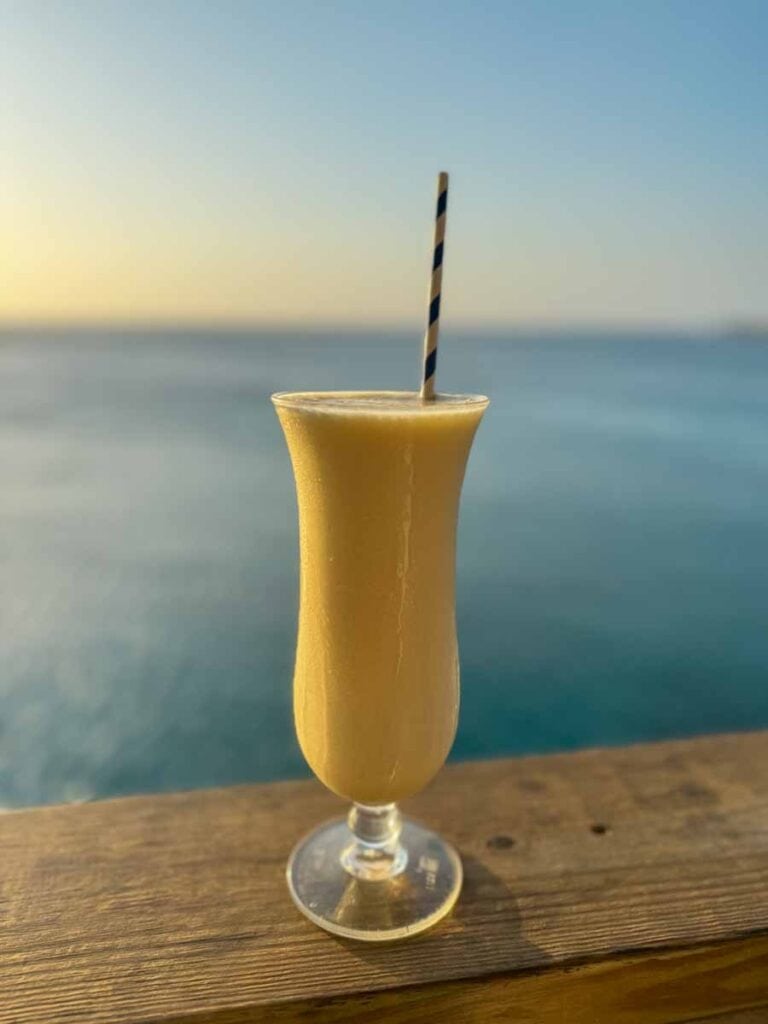
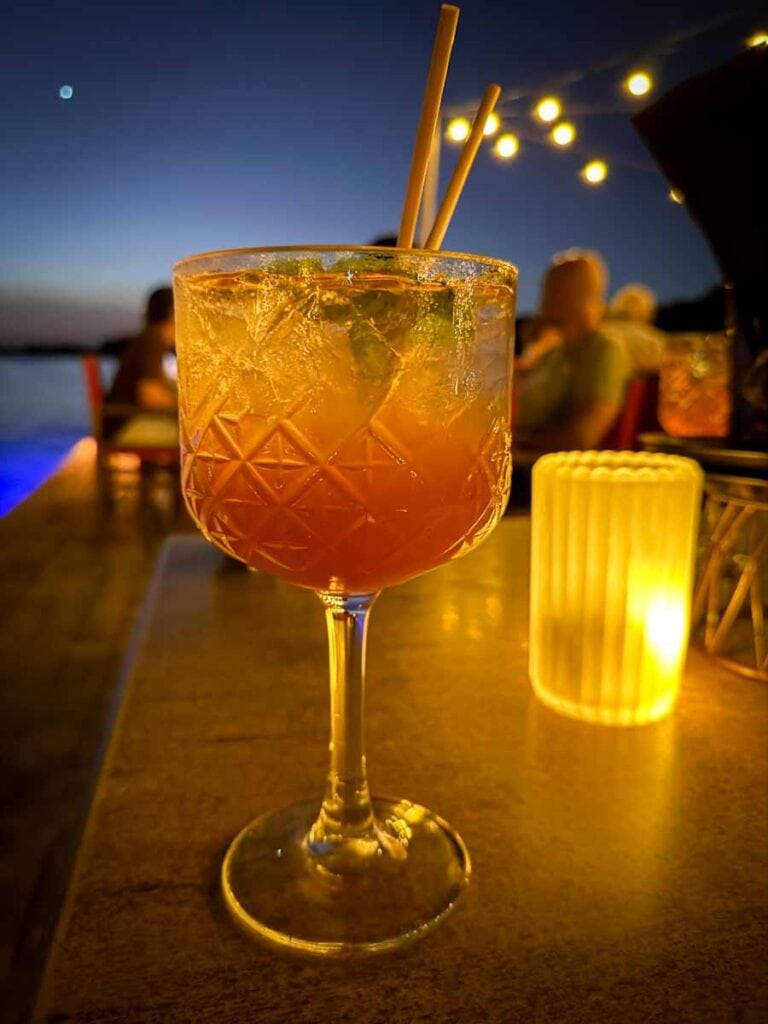
Out west, Playa Forti Restaurant and Blue View Sunset Terrace offer cliffside tables where you might see local divers leaping into the water below. The cliff-front loungers at Lagun Blou Resort (if you opt to stay there) put you right over the water, and Jan Thiel’s beach clubs make it easy to go straight from swimming to happy hour.
Sunset happens quickly this close to the equator, so plan to arrive early, order something cold, and watch the sun dip into the sea.
Ready to Book Your Curacao Getaway?
Come for the beaches, stay for everything else that makes Curacao unforgettable. The reefs and sandy coves might draw you in, but it’s the colorful streets, local kitchens, and laid-back culture that keep you thinking about your next trip before you’ve even left.
Curacao has a way of inspiring return visits, and chances are, one visit won’t feel like enough for you either!
Read next: Don’t miss my Curacao first-timers’ guide ⫸
The Haphazard Traveler is a participant in the Amazon Services LLC Associates Program, an affiliate advertising program designed to provide a means for sites to earn advertising fees by advertising and linking to Amazon.com. As an Amazon Associate I earn from qualifying purchases.
