

Pinhão, Portugal: how to visit the heart of the Douro Valley

Last Updated on July 5, 2026
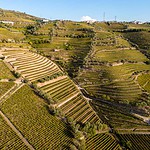
Pinhão sits at the center of Portugal’s Douro Valley, where terraced vineyards climb steep hillsides above the Douro and Pinhão rivers. For travelers interested in wine, it’s one of the easiest places to understand the region through its landscape: historic quintas, port lodges, riverboats, vineyard roads, and a train station covered in azulejo tiles that tell the story of the harvest.
Most travelers visit Pinhão on a day trip from Porto, and that can absolutely be worth it. But the town works even better as a base for a slower Douro Valley stay. From here, you can walk to several wine estates, take a rabelo boat along the river, visit tasting rooms and cellar tours, or use Pinhão as a jumping-off point for nearby viewpoints, wine hotels, and historic towns.
The Douro is the only region where true port wine can be produced, thanks to a formal demarcation dating to 1756. It’s also part of the UNESCO-listed Alto Douro Wine Region, recognized for a wine-growing landscape shaped over centuries. That history is still visible here, not only in the cellars and tasting rooms, but in the terraces, river routes, and quintas that continue to define the valley.
In this guide, I’ll cover how to get to Pinhão, where to stay, which quintas to visit, what to do beyond wine tasting, and how to plan a Douro Valley day trip or longer stay.
I independently evaluate all of my recommendations. I might receive compensation for any links you click on my site. Learn more.
In this Guide to Pinhao, Portugal
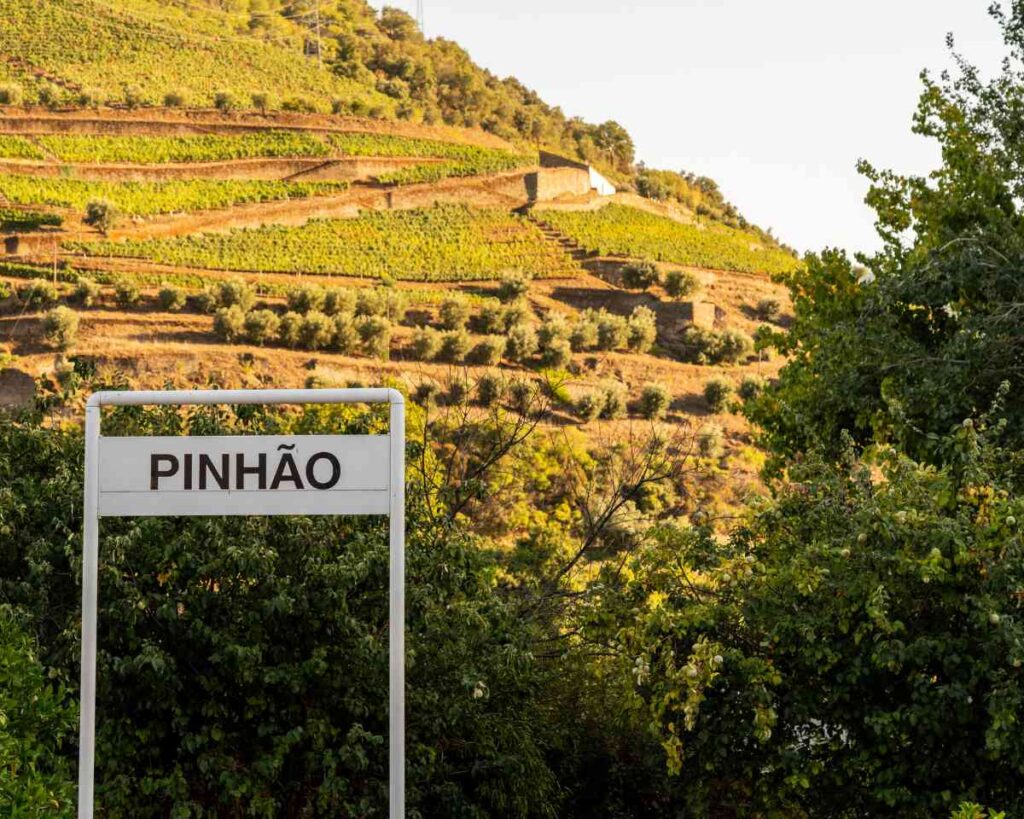
Getting to Pinhão
Pinhão is in Northern Portugal’s Douro Valley, about two hours from Porto by train. You can get here by train, car, guided tour, or bus, but the train and guided tours are the easiest options for most travelers. The right choice depends on how much time you have, whether you want to visit multiple quintas, and how comfortable you are driving in wine country.
By Train
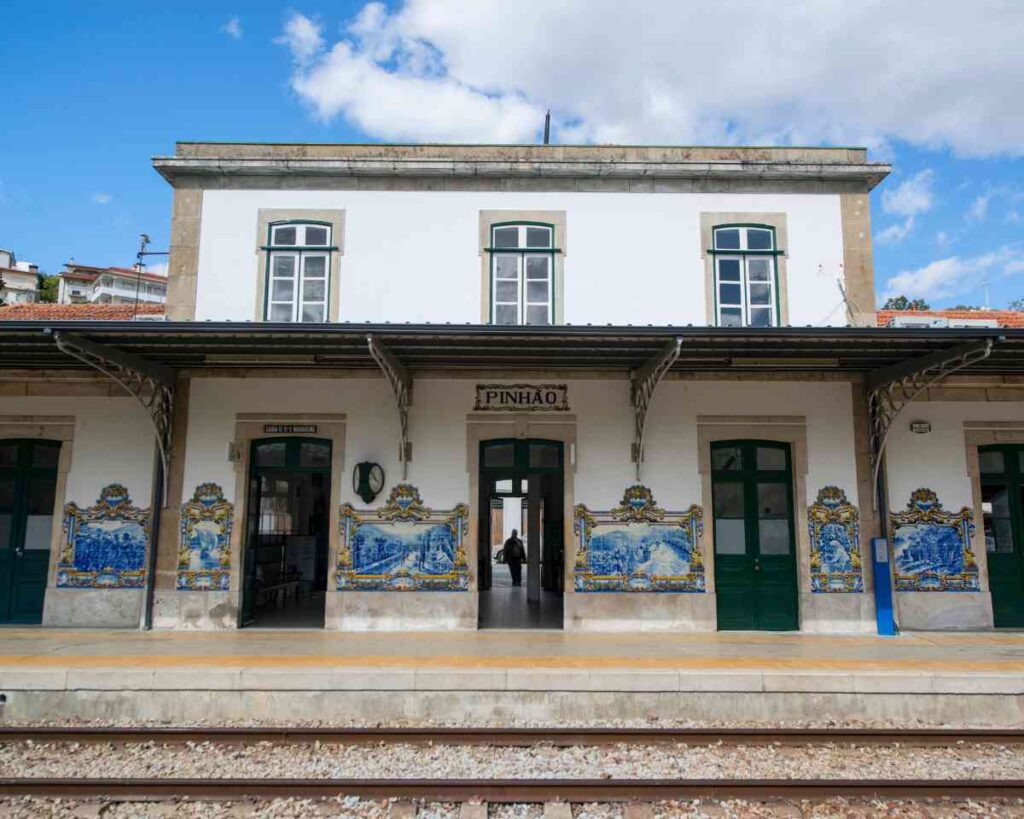
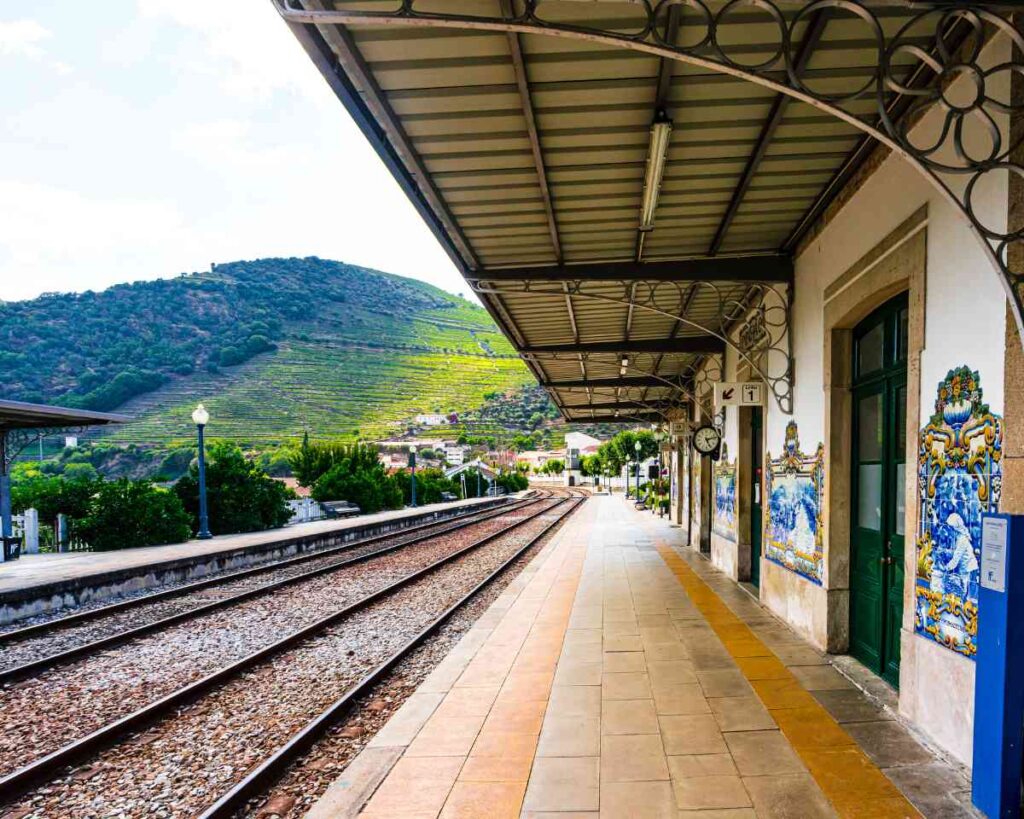
Pinhão’s historic train station is one of the town’s main sights. The building is covered in traditional azulejo tiles that show scenes from the Douro Valley, including grape harvests, vineyard work, and river transport.
The train also makes Pinhão one of the easiest Douro Valley towns to visit without a car. From the station, you can walk to several nearby quintas, book a rabelo boat tour, or take a taxi to wineries farther from town.
The journey from Porto to Pinhão takes around two hours. Several trains depart daily from Porto’s São Bento and Campanhã stations, with the route following the Douro River for part of the trip. Check schedules and book tickets through Comboios de Portugal or at the station.
Taxis in Pinhao
There’s a taxi stand near the Pinhão train station. Bolt and Uber may be available on a limited basis, but I wouldn’t rely on them as your only transportation plan, especially in peak season.
If you take a taxi to a quinta outside town, ask the driver for a phone number or arrange your return pickup in advance. Some wineries can also help call a taxi, but it’s better not to leave that until the last minute.
I’ll include tips later on a few wineries and hotels that are within walking distance.
By car or bus
Renting a car gives you the most flexibility in the Douro Valley, especially if you want to visit viewpoints, wine estates outside town, or nearby places like Lamego. The drive from Porto to Pinhão usually takes about 1.5–2 hours, depending on your route.
My preferred route is the slightly longer drive using the A4 and N222, especially the stretch between Peso da Régua and Pinhão. It’s one of the most scenic drives in the region, with river views, terraced vineyards, and plenty of reasons to pull over.
If you’re planning to taste at multiple quintas, arrange taxis, book a guided tour, or choose estates within walking distance of town instead of driving between tastings.
I don’t usually recommend taking the bus to Pinhão. The train is more scenic, more direct, and still affordable.
By guided tour
A guided tour is the easiest option if you want to visit several wineries in one day without driving between tastings. Most Douro Valley day trips from Porto include transportation, winery visits, tastings, lunch, and sometimes a short rabelo boat ride on the Douro River.
Here are a few tour options to compare, depending on your travel style:
The train is the easiest independent option, while a guided tour is the simplest choice if you want to visit multiple quintas without arranging transportation between them.

Car Rental in Portugal
Thinking of renting a car for your trip? I’ve driven in Portugal many times and find it manageable, especially outside the larger cities. Roads in Porto and Lisbon can be narrow, parking can be limited, and rental agencies sometimes add fees at pickup or dispute damage at the end of a trip.
For my last few Portugal trips, I’ve booked through Zest, a car rental aggregator that helps compare availability, pricing, and customer reviews. I still recommend reading recent reviews for each individual rental company before booking, but Zest is the site I use when renting cars in Portugal.
⫸ Search Portugal rental cars on Zest

Where to Stay in Pinhao
Pinhão has a small but useful range of places to stay, from riverfront hotels to guesthouses, apartments, and quintas with rooms. If your itinerary allows it, staying overnight changes the pace of the trip. You’ll get quieter mornings, slower dinners, and more time to experience the Douro Valley after the day-trippers return to Porto.
Vintage House Hotel: top pick
Vintage House Hotel is my top pick in Pinhão because of its location and wine-country setting. It sits in a former 18th-century wine estate on the banks of the Douro River, within walking distance of the train station and several quintas.
Rooms are spacious, many have balconies, and the hotel has an outdoor pool with river views. There’s also an on-site restaurant, which is helpful if you’d rather not coordinate taxis after a day of wine tasting.
More accommodation options in Pinhão
LBV House Hotel: A mid-range hotel with modern rooms, Douro views, and breakfast included.
Dois Lagares House: A budget-friendly stay with a shared outdoor pool, parking, terrace, and bar. Breakfast can be added when booking. Booking.com
Quinta de la Rosa: A wine estate and hotel just outside Pinhão, with rooms overlooking the Douro River and terraced vineyards. It’s a strong pick if you want to stay at a working quinta with easy access to wine tastings, cellar tours, and an on-site restaurant, while still being close to town.
Hostel Douro Backpackers: A budget option with a garden, shared lounge, kitchen, free WiFi, and strong guest reviews.
Staying at quintas
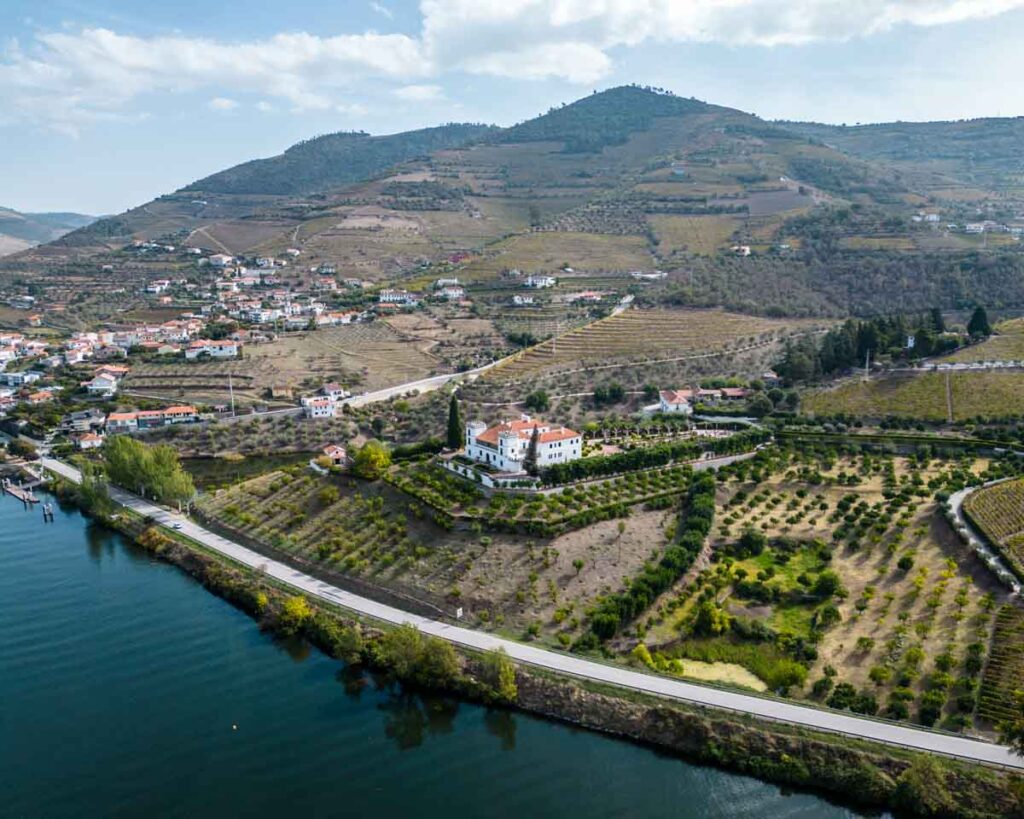
For a more immersive wine-country stay, look for quintas that offer boutique lodging or B&B-style rooms. Many Douro wine estates have converted older buildings or added guest accommodations, giving travelers more time on the property and easier access to tastings, meals, vineyard walks, and river views.
I’ll include several quintas with lodging options in the wine-tasting section below. If you want the Douro Valley to feel less rushed, staying at a quinta can be one of the best ways to do it.
Villas, Gueshouses + Rentals
If you’re traveling with family or a larger group, apartments and vacation rentals around Pinhão may be a better fit than a hotel.
Quinta Vale das Papas: A five-bedroom house with a private pool, full kitchen, and modern architecture designed around Douro Valley views. It’s located about a 15-minute drive from Pinhão.
Helena’s Family House: A four-bedroom home in Pinhão with five bathrooms and breakfast included, which is rare for a vacation rental and especially useful for groups.
Casa da Encosta Douro Valley: A two-bedroom, three-bath home with indoor and outdoor gathering spaces and Douro views. It’s located across the river from Pinhão; guests note that the driveway is steep, so check vehicle recommendations before booking.
Exploring Pinhão and things to do
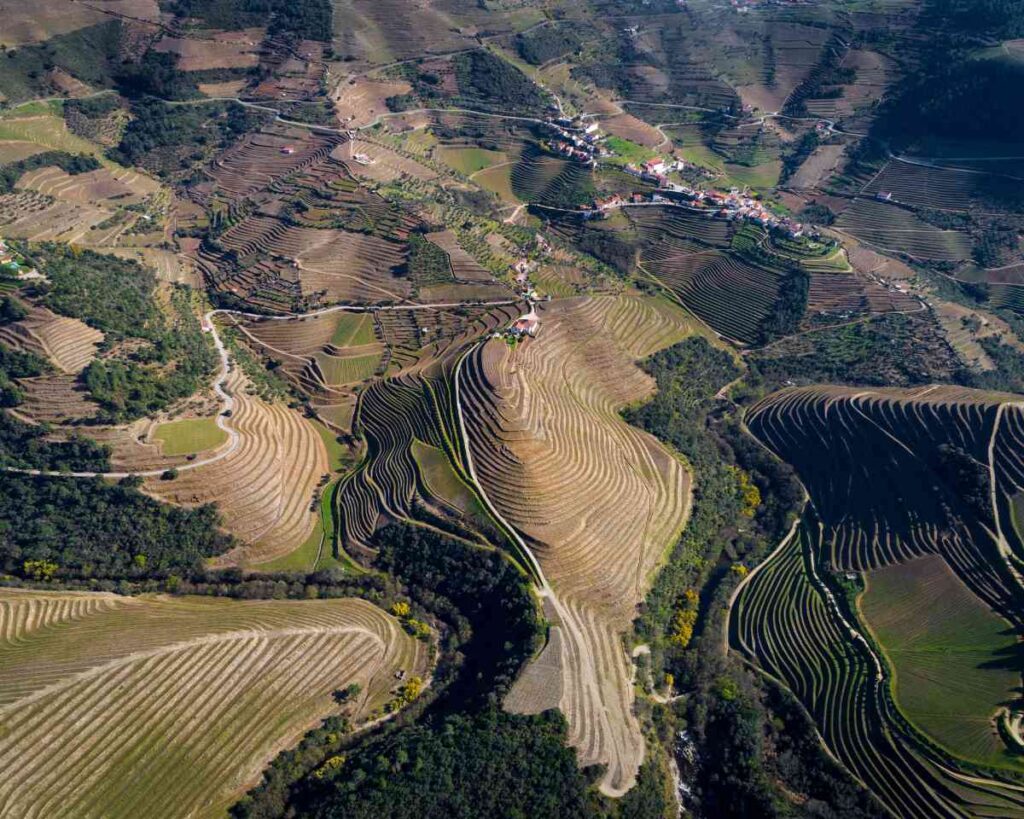
Pinhão sits at a bend in the Douro River, surrounded by terraced vineyards and hillsides. It’s small enough to explore without much planning, but it also makes a practical base for boat trips, cellar tours, wine tastings, viewpoints, and nearby towns.
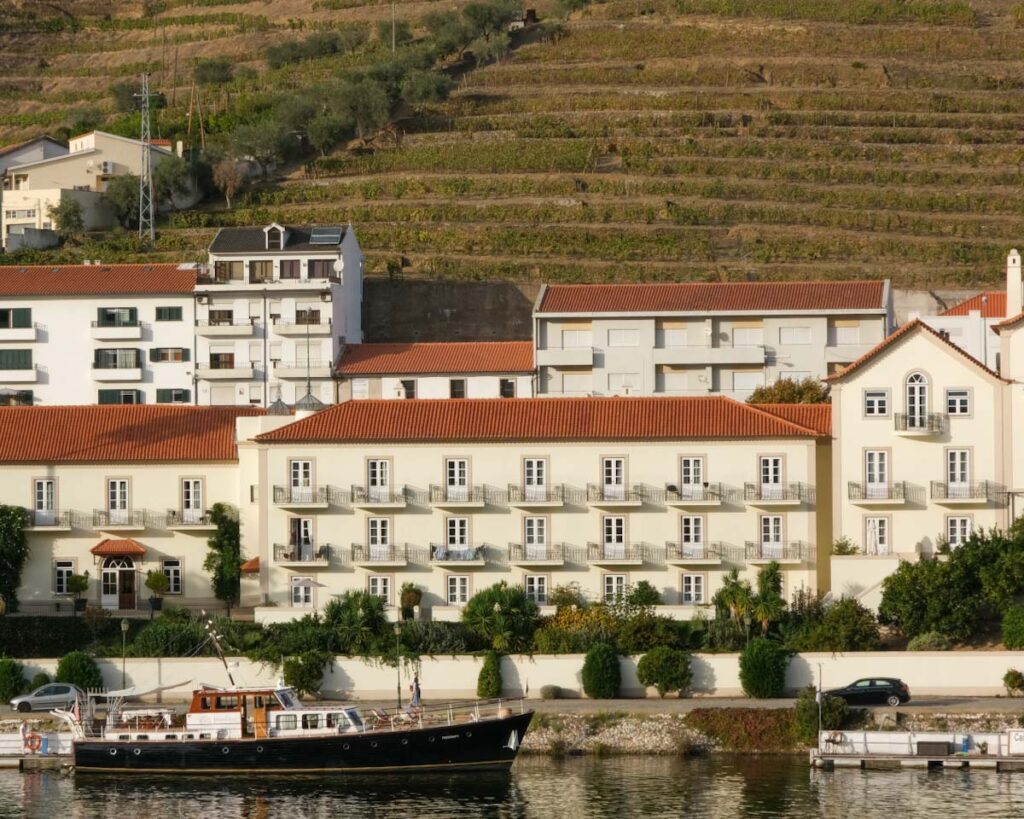
Pinhao riverfront
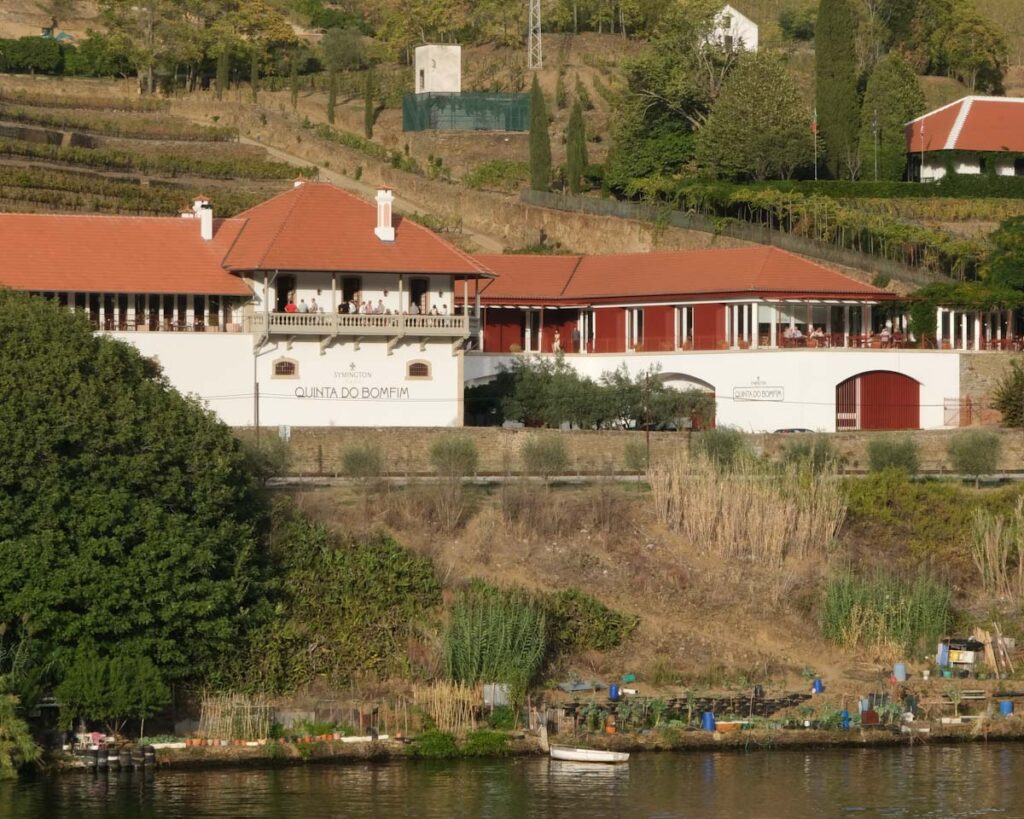
The Pinhão riverfront is the easiest place to start. This is where you’ll find rabelo boat tours, river views, and a short walk along the water. Nearby Quinta do Bomfim also has an outdoor terrace overlooking the Douro, making it an easy first stop if you’ve arrived by train.
You can cross the bridge near the entrance to Vintage House Hotel for a different view of Pinhão from across the river. Use caution, though: pedestrian space is narrow on the bridge and along parts of the road on the other side.
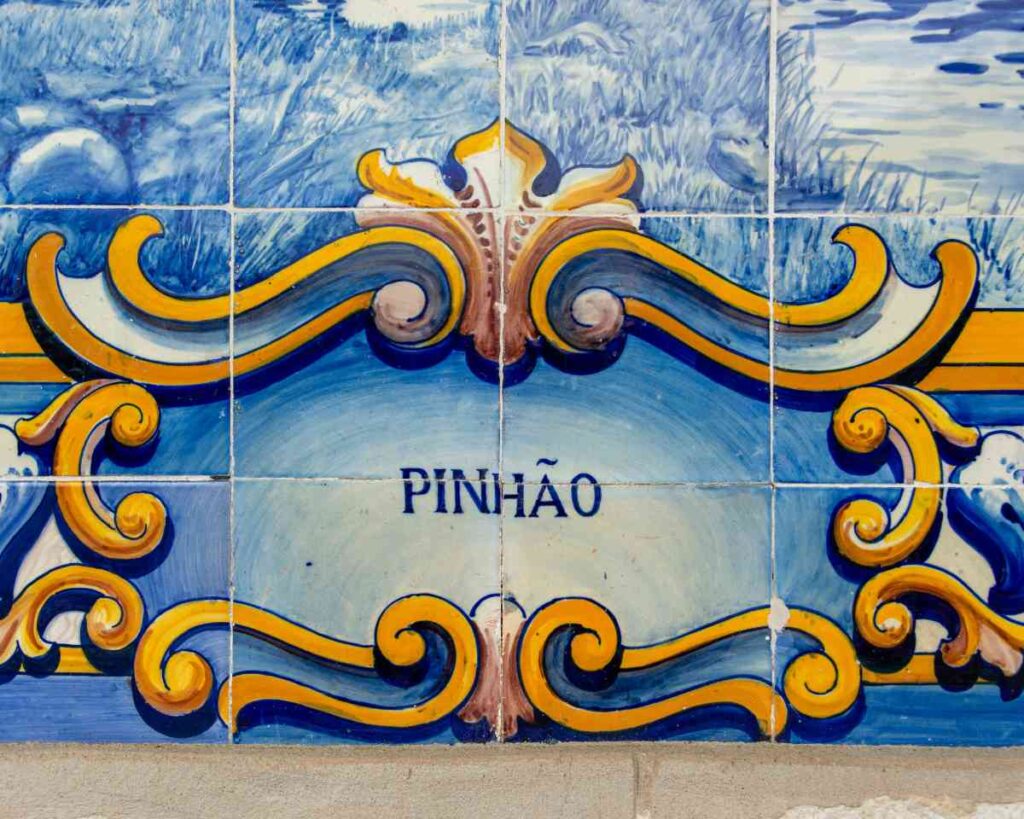
Pinhao Railway Station
Pinhão Railway Station is both a working train station and one of the town’s best-known sights. Its azulejo tile panels show scenes from the Douro Valley, including grape harvesting, vineyard labor, and river transport.
Even if you’re not arriving by train, it’s worth stopping here for a few minutes. The station gives quick visual context for how closely Pinhão’s identity is tied to wine, agriculture, and the Douro River.
Douro Historical Train
The Douro Historical Train is a seasonal steam train experience that runs through part of the Douro Valley. The route begins in Peso da Régua and continues to Pinhão, then Tua, before returning.
It’s a good option for train lovers, families, and travelers who want a slower way to see the valley. Onboard, musicians and singers perform traditional Portuguese songs, adding a cultural element to the ride.
Visit nearby Lamego
If you’re staying longer than a day trip, consider adding Lamego. This historic town has a Moorish castle, a museum with azulejos and tapestries, and the Sanctuary of Our Lady of Remedies, reached by a long baroque staircase with views over town.
Lamego also works well if you want a less rushed Douro Valley base with access to nearby wine estates. It’s better with a car or guided tour, since it isn’t as easy to use as Pinhão for train-based wine tasting.
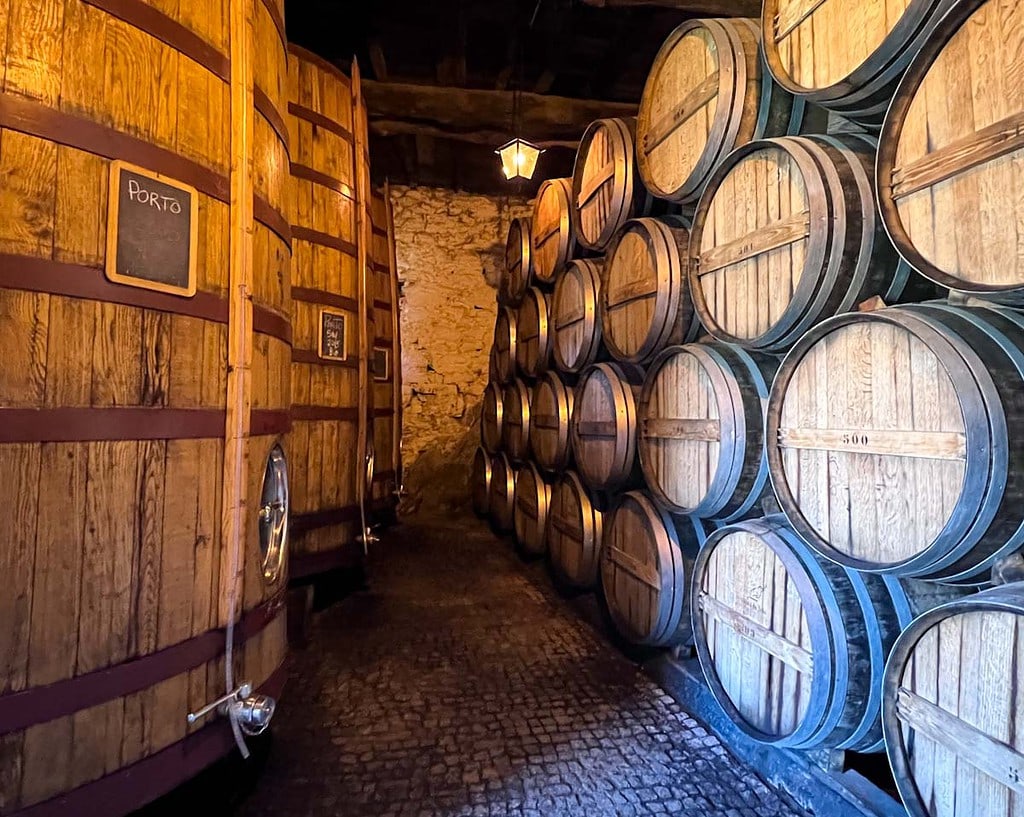
History of port wine production
Before you start tasting port in Pinhão, it helps to understand why this region matters. True port wine can only come from grapes grown in the Douro Valley, where terraced vineyards, steep slopes, and a long export history shaped one of Portugal’s most famous wines.
Port wine developed as a fortified wine, with grape spirit added to help preserve it for export. Its connection to England grew over the centuries, and in 1756 the Douro was formally demarcated under Marquês de Pombal, establishing it as the official origin of port wine.
For many years, port was produced in the Douro Valley but sent downriver to Vila Nova de Gaia, across from Porto, for aging, sale, and export. Traditional rabelo boats once carried barrels along the Douro River, linking the vineyards upriver with the port houses near the Atlantic.
Today, modern production has changed some of the process, but port remains closely tied to the Douro’s terraces, quintas, grape varieties, and river routes. Many estates now also produce Douro table wines, giving visitors a broader view of the region beyond port.
Pinhão is one of the best places to understand that history in context. Here, the vineyards, train station, riverfront, boat tours, and quintas all connect the wine to the landscape around it.
If you can’t fit in a day in the Douro Valley, you can still do a port tasting in Porto. But visiting Pinhão gives you a stronger sense of where the wine begins.
Wine tasting and vineyards
I’m a wine enthusiast, not a sommelier, which is one reason I think Pinhão is such a rewarding place to visit. You don’t need deep technical knowledge to appreciate the Douro Valley here. The landscape does a lot of the explaining.
Several quintas are easy to reach from Pinhão, including some within walking distance of the train station. Others require a taxi, car, or guided tour, but reward the extra effort with vineyard views, cellar tours, meals, and more specialized tastings.
If you’re visiting several wine estates in one day, plan transportation before you start tasting. Walk when it’s practical, arrange taxis in advance, or book a guided tour so you’re not driving between stops.
Wine Tastings and Quintas to Visit From Pinhao
Quinta do Bomfim (Dow’s)
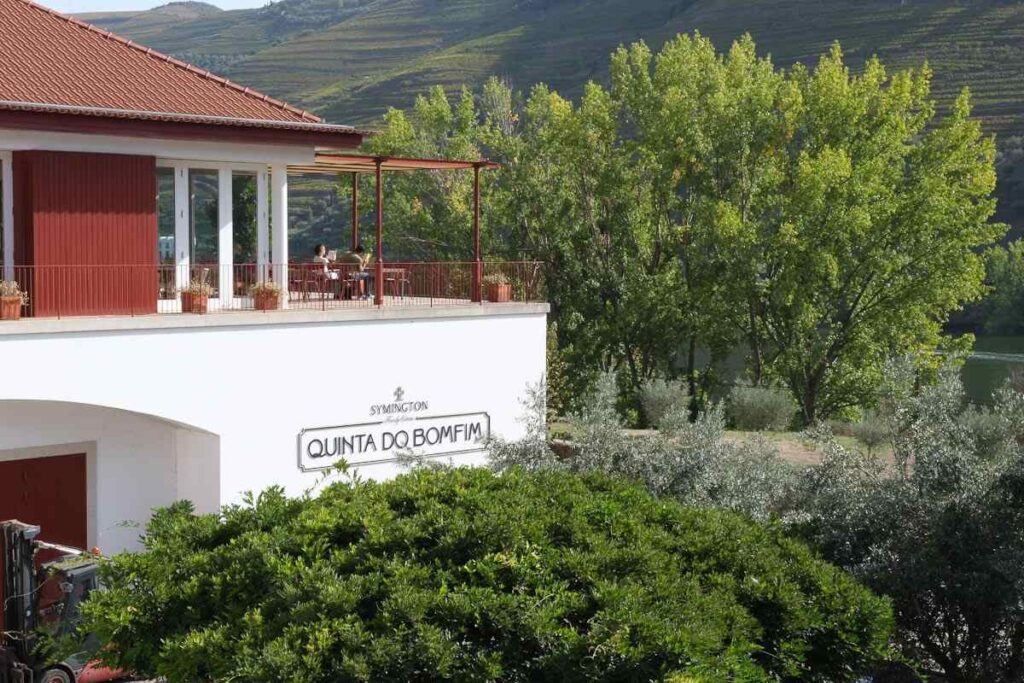
Quinta do Bomfim is located in the heart of Pinhão, about a five-minute walk from the train station. It’s part of the Symington family of wine estates, which produces Dow’s, Graham’s, Warre’s, Cockburn’s, and other well-known port brands.
Tours here typically include the production facility, historic exhibits, cellar, and tasting room. Quinta do Bomfim also has a wine shop, restaurants, and an outdoor terrace overlooking the river, making it one of the easiest and most complete wine experiences in town.
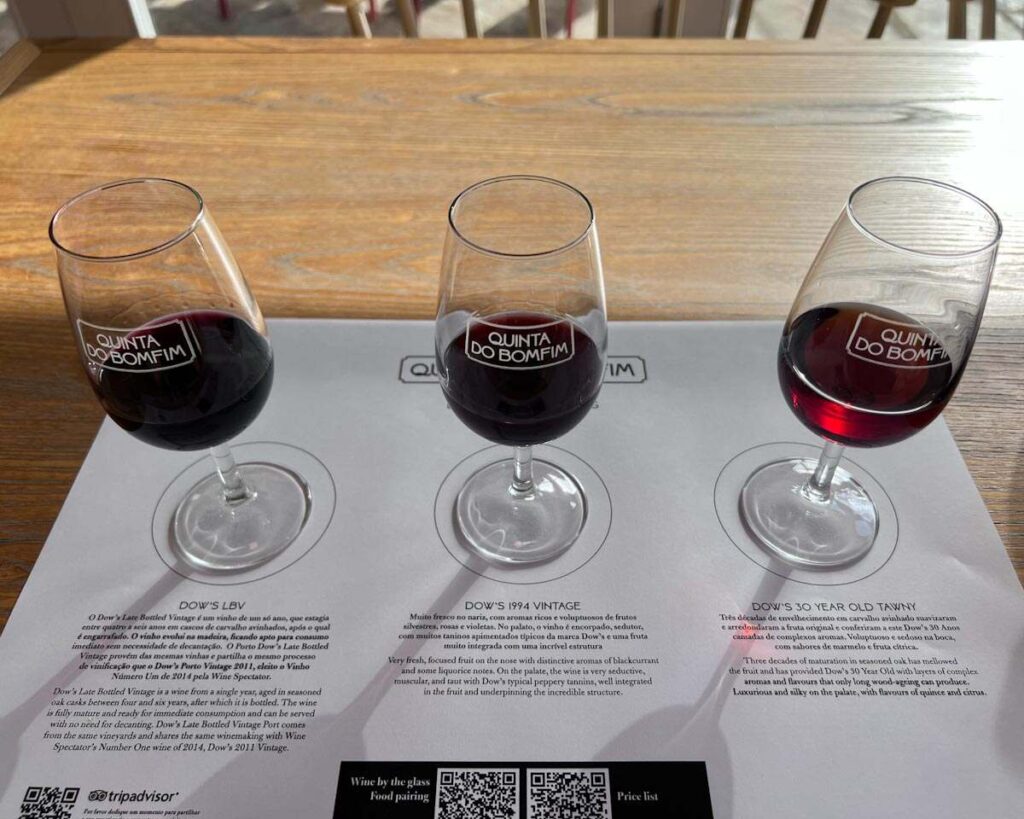
My tasting included Dow’s LBV, Dow’s 1994 Vintage, and Dow’s 30-year-old Tawny. The tawny was the one I liked enough to bring home, which is always the most honest review.
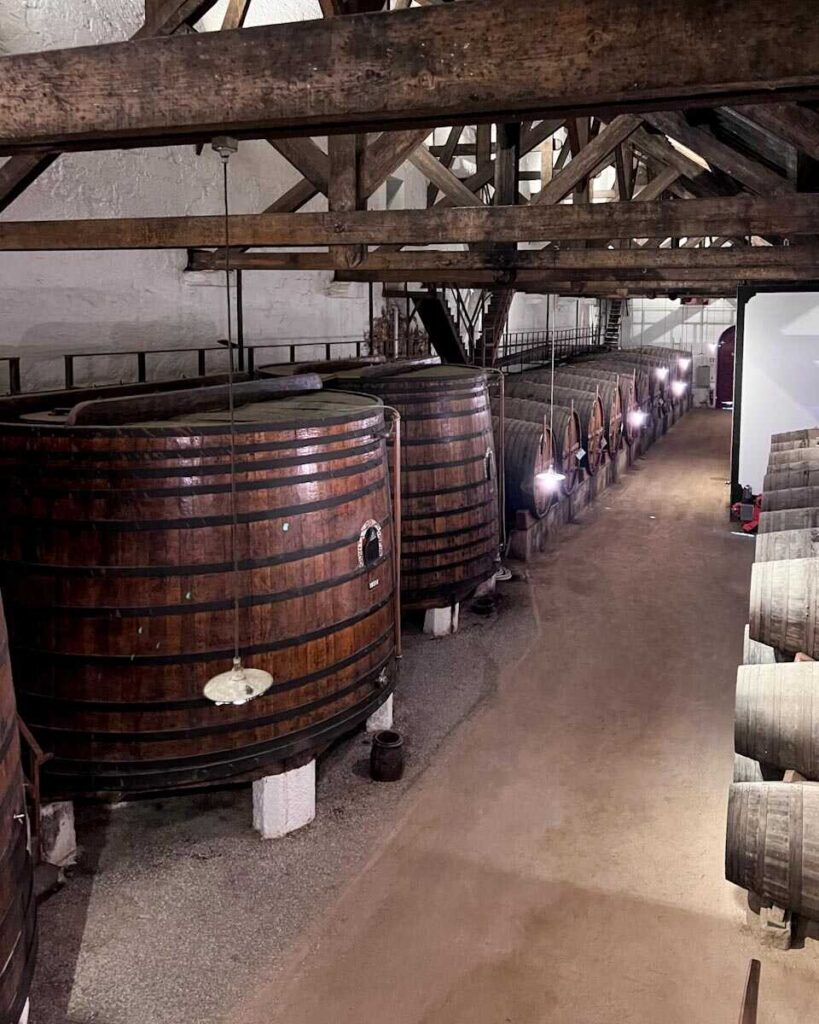
You can book a basic tour and tasting online, or check the Symington website for premium tastings, picnics, and restaurant reservations.

Quinta das Carvalhas
Quinta das Carvalhas dates to 1759 and sits across the bridge from Pinhão. It’s walkable from the train station, but the bridge and road have narrow pedestrian space, so take care and plan your return before tasting.
The estate produces port, wine, and olive oil, and it’s known for extensive terraced vineyards with wide views of the valley. Experiences can include bus tours, guided vineyard tours, and a “vintage tour” with the resident viticulturist.
This is a good choice if you want to understand the Douro through the land itself. The tours here focus on vineyards, grape varieties, farming, and the geography that shapes wine production in the valley. Valley.
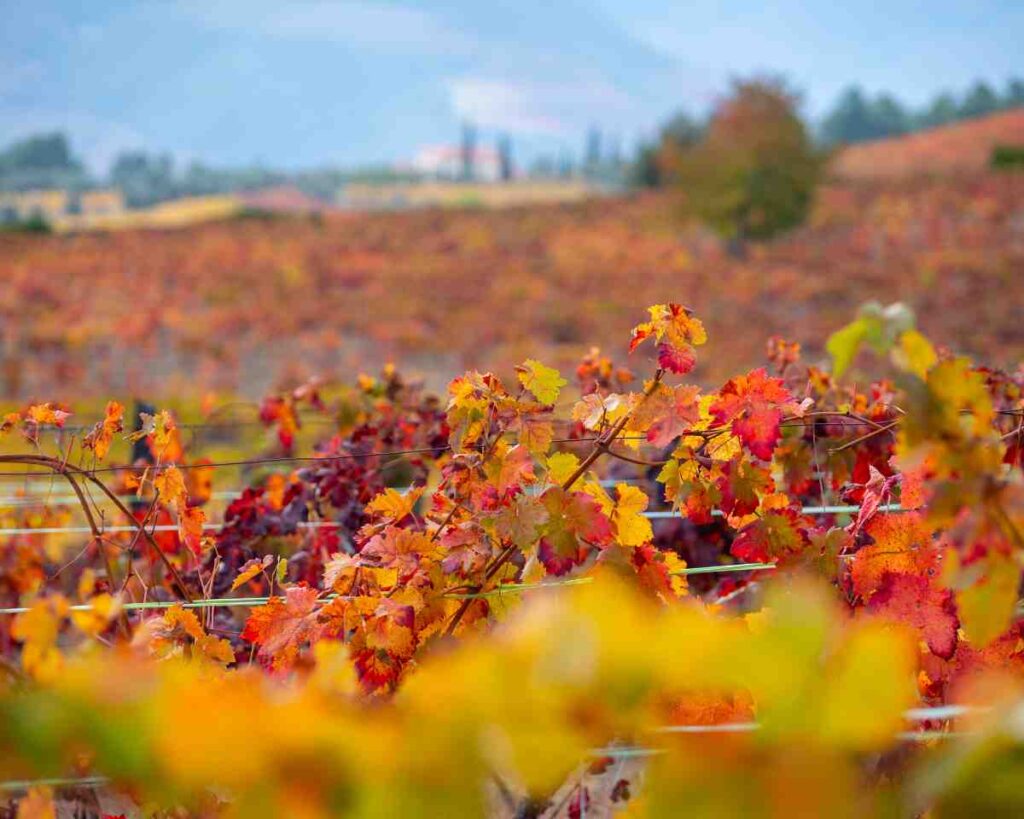
Quinta da Roeda (Croft’s Port)
Quinta da Roêda sits above Pinhão on the north bank of the Douro River. It’s possible to walk there from town in about 25 minutes, or take a short taxi ride.
The estate offers tastings, picnics, private dinners, mixology experiences, and harvest-season activities. It’s also associated with Croft, known for producing rosé port, so it’s a useful stop if you want to try a different side of port beyond ruby and tawny styles.
Quinta de la Rosa
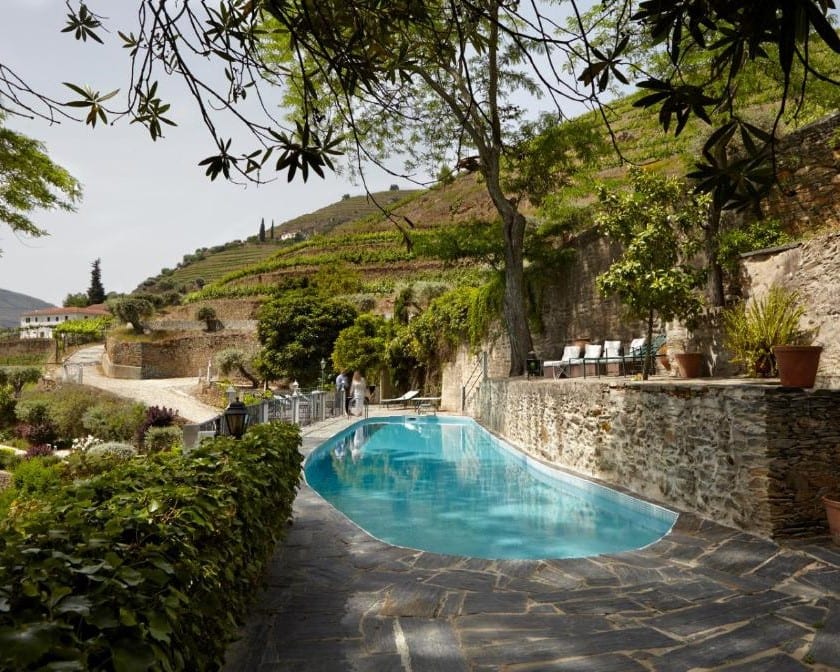
Quinta de la Rosa is a wine estate and hotel just outside Pinhão. You can walk there from town by crossing the bridge and following the road along the river, or take a short taxi ride.
The property offers winery and cellar tours, tastings, meals, and guest accommodations. If you want to stay at a quinta without being too far from Pinhão’s train station and riverfront, this is one of the more convenient options.
Stay: Expedia | Booking.com
Quinta do Seixo (Sandeman’s Port)
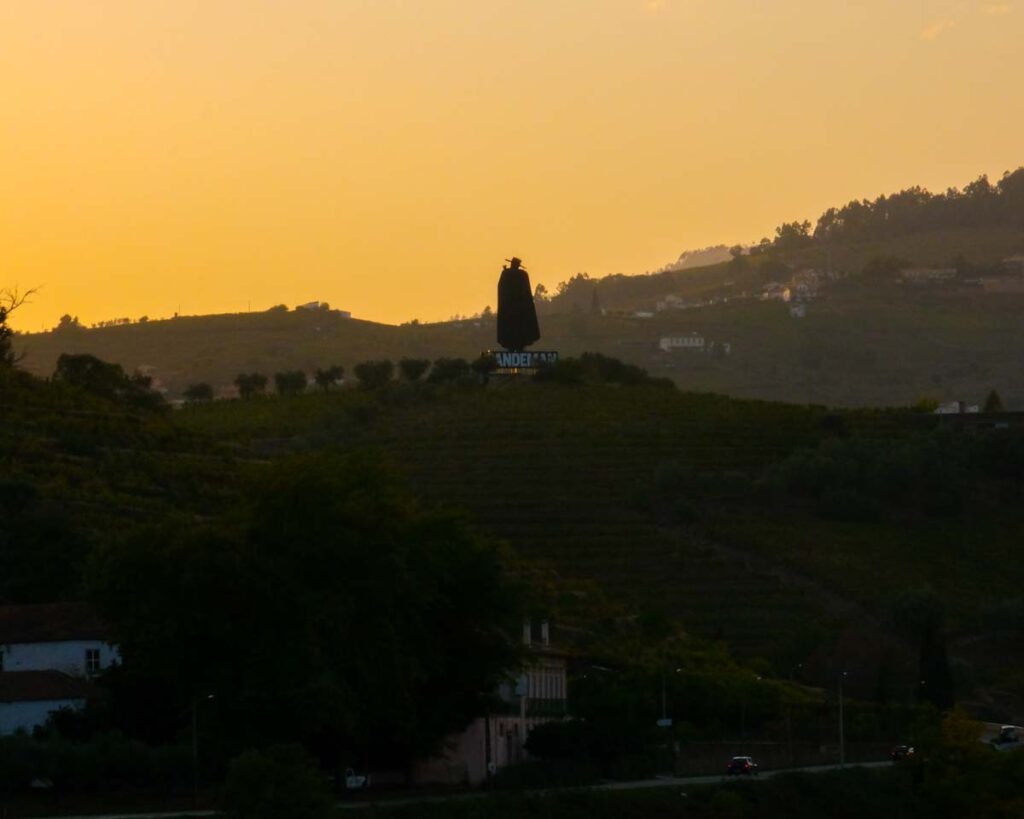
Quinta do Seixo is the Douro estate behind Sandeman’s Port, one of the most recognizable port brands thanks to its caped “Don” figure. The estate sits outside Pinhão and requires a car or taxi.
Tours and tastings here can include educational experiences, tawny-focused tastings, vineyard picnics, and a self-guided vineyard hike. It’s a good option if you want a more brand-focused visit with strong views and a larger estate setting.

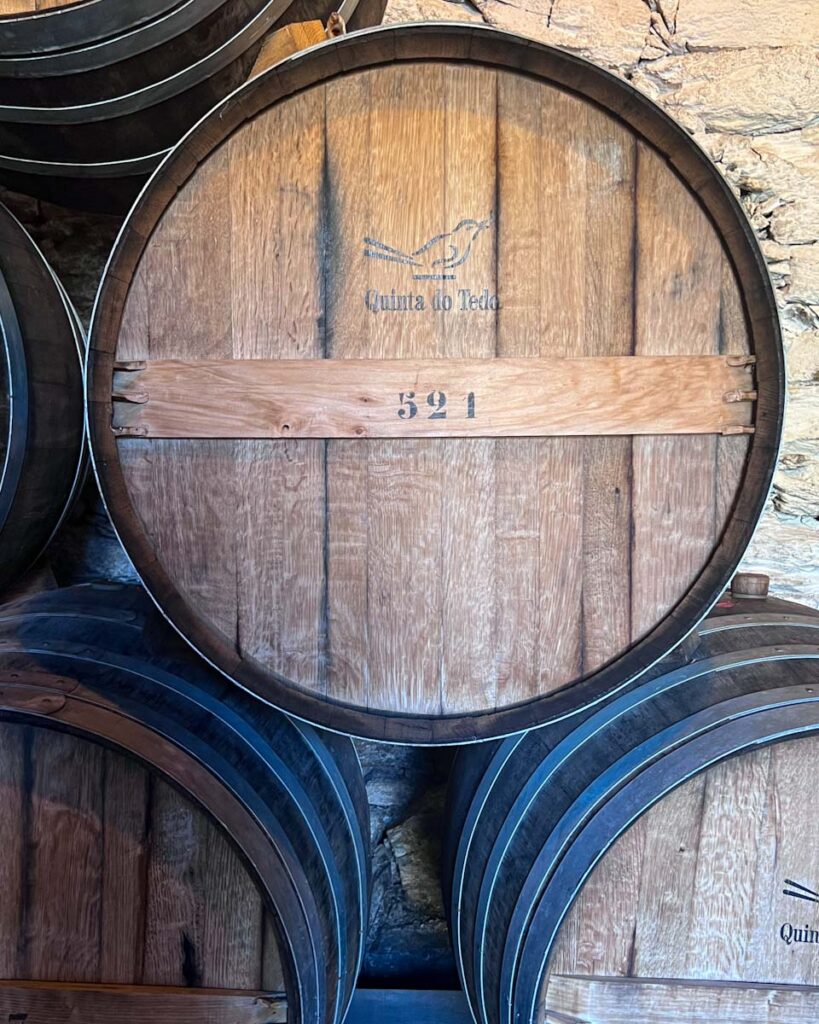
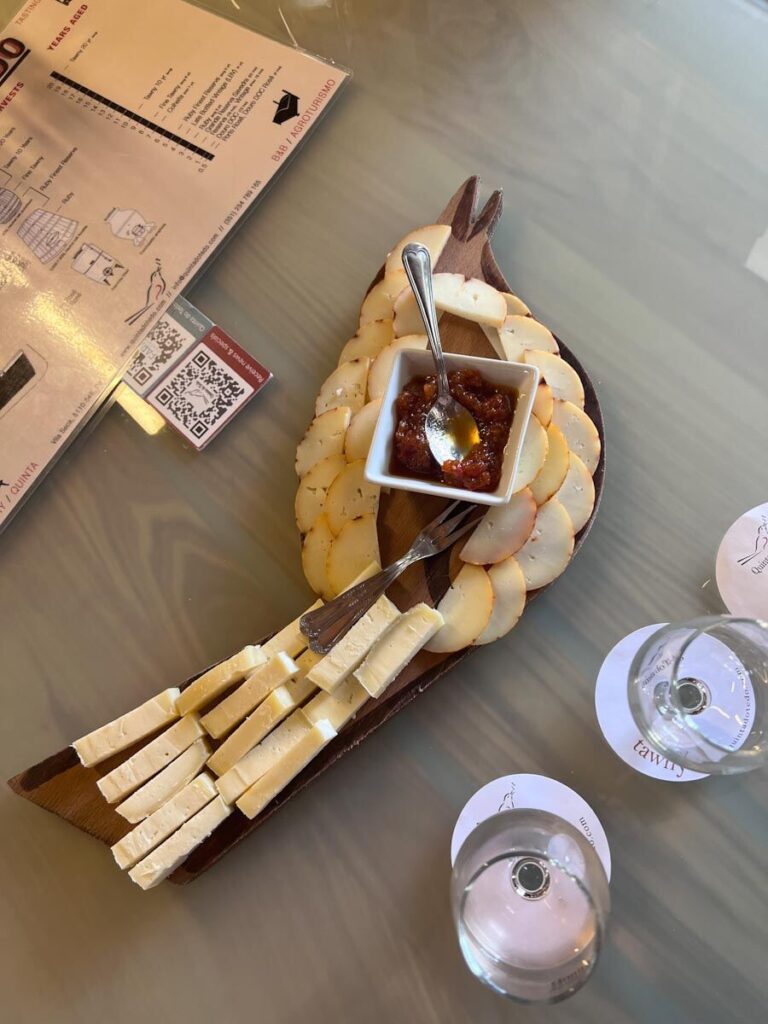
Quinta do Tedo
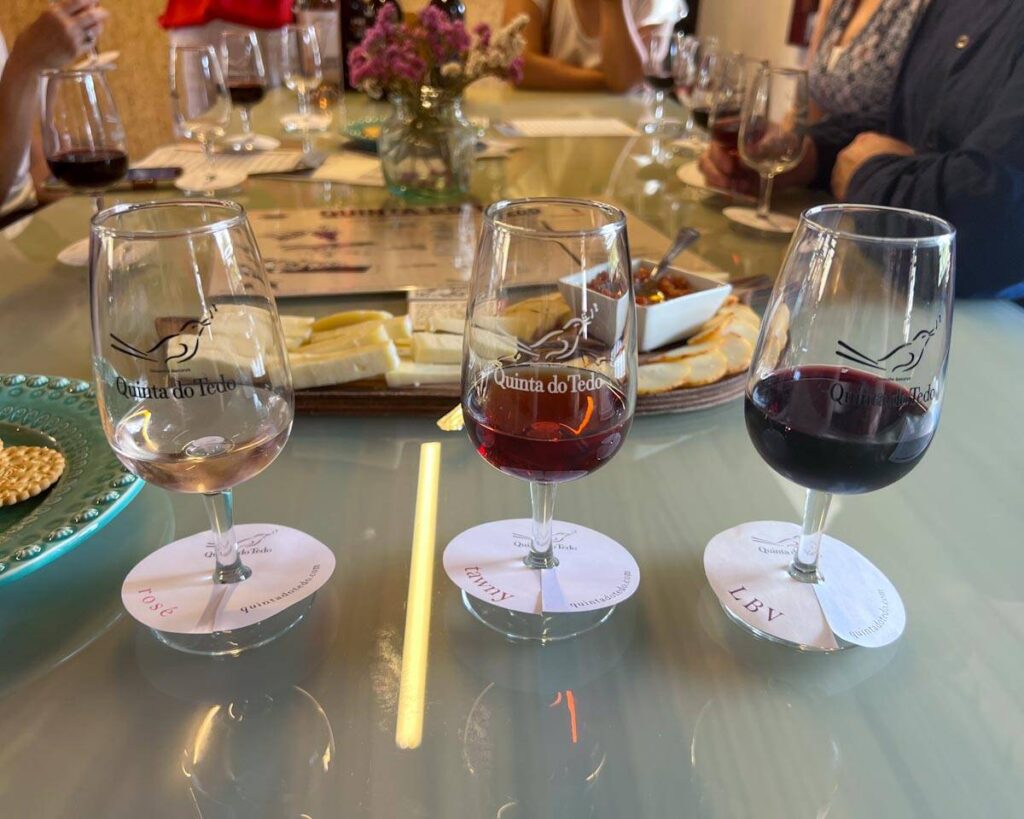
Quinta do Tedo sits at the confluence of the Douro and Tedo rivers, with terraced vineyards and wide river views. It’s not within walking distance of Pinhão, so you’ll need a car, taxi, or tour to visit.
The estate offers tastings, tours, picnic experiences, and B&B lodging with a pool. This is a strong option if you want a quieter quinta visit outside the center of Pinhão, especially if you’re building a longer Douro Valley itinerary.
Other Quintas
There are many, many more quintas in the region that offer wine tourism experiences. Here are a few more top wineries:
If there’s a specific estate you’re excited about, check hours, tasting availability, and transportation before building your day around it. Some Douro quintas require advance reservations, and not all are easy to reach without a car.
Port Wine Tastings
In addition to visiting quintas, you’ll find wine education and port tastings in and around Pinhão. These can be a good option if you’re short on time, new to port, or want more context before visiting larger estates.
Look for tastings that compare different port styles, such as ruby, tawny, LBV, and vintage port. Even a short guided tasting can help you understand how aging, sweetness, structure, and serving style change the experience.
Douro table wines
Port is the wine most closely associated with the Douro, but it isn’t the only reason to taste here. The region also produces still red, white, and rosé wines, often using traditional Portuguese grape varieties.
When you’re dining in Pinhão or at a quinta, ask about Douro table wine pairings, especially with lunch or dinner. Port is usually served with dessert or after a meal, while the region’s table wines are often a better match for the full meal.
Grape harvest season
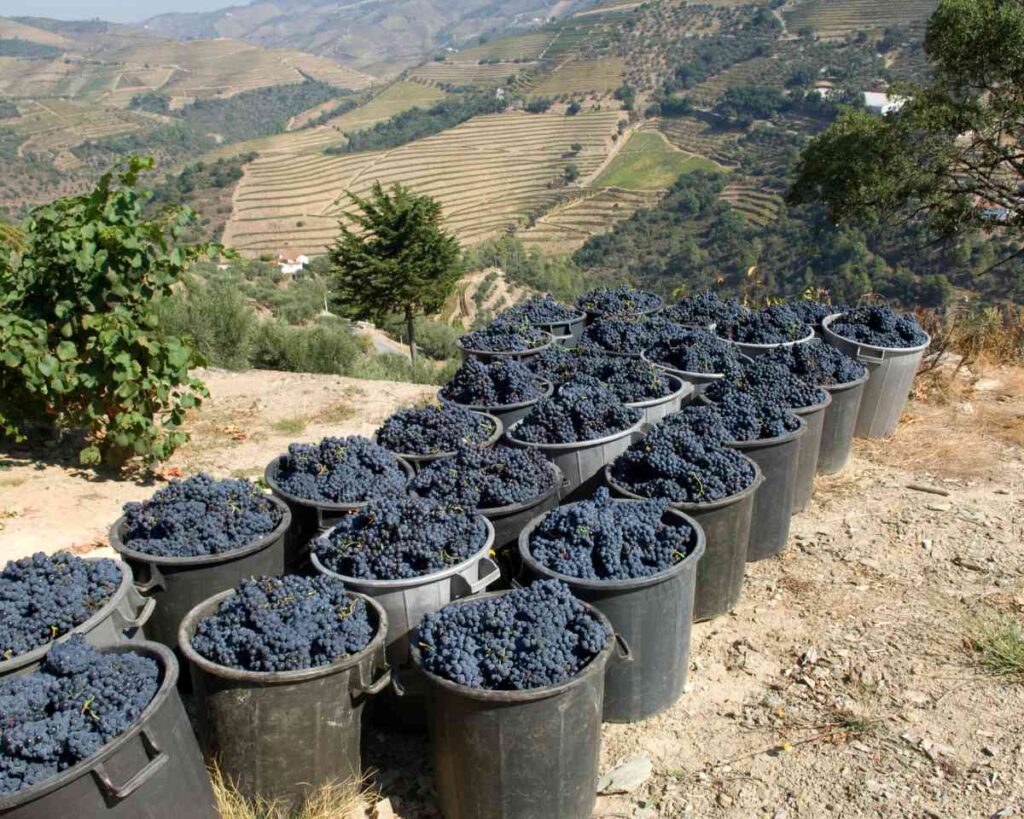
Harvest is one of the most active times to visit the Douro Valley. It usually takes place in September and October, depending on the year, weather, grape variety, and site.
Many wineries offer harvest-season experiences, which may include vineyard visits, grape picking, traditional foot treading, special meals, or cellar tours. Quinta da Pacheca, Quinta das Carvalhas, and Quinta do Vesuvio are a few estates that have shared harvest tourism offerings in the past.
If harvest is the reason for your trip, book early and confirm details directly with each estate. Availability can change quickly, and weather can affect timing.

Boat tours and cruises
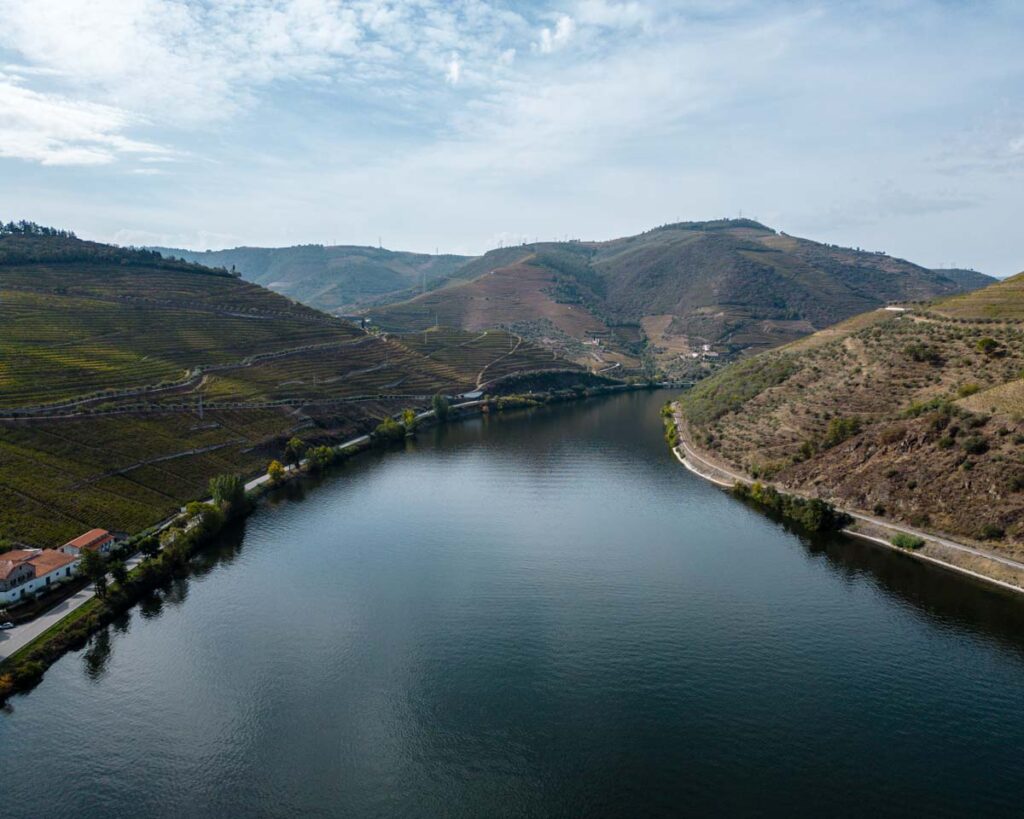
Boat tours are one of the easiest ways to see the Douro Valley from a different angle. From the water, you get a clear view of the terraced vineyards, river bends, and steep hillsides that define the region.
If you only have one day in Pinhão, I’d choose a one- or two-hour rabelo boat tour rather than a long cruise. It’s enough time to enjoy the river without giving up the whole day, especially if wine estates are your priority.
For a wine-focused day trip, you could also skip the boat and add another quinta. It depends on whether you want the day to lean more scenic or more wine-heavy.
Rabelo boat
Rabelo boats were traditionally used to transport barrels of port wine down the Douro River. Today, they’re used for visitor cruises, but they still connect the experience to the region’s wine history.
You can book rabelo boat tours directly from the dock in Pinhão or reserve online ahead of time. One-hour tours usually follow a route toward Roncão and back, while two-hour tours continue toward Tua before returning to Pinhão.
Hiking and exploring the Douro Valley
Pinhão is surrounded by terraced hills, vineyard roads, and viewpoints, so it’s a good base if you want to add walking or hiking to a wine-focused trip. Trails in this region aren’t always well-marked or maintained, so ask locally before setting out, bring water, and avoid hiking in the heat of the day.
- Pinhão River Valley Trail: A relatively flat route that follows the river and offers views of vineyards and local scenery.
- Casal de Loivos Viewpoint Trail: A moderate walk from Pinhão to one of the best-known viewpoints over the Douro Valley.
- Estrada do Vinho Trail: A longer, more challenging route that passes several quintas and gives a closer look at the region’s wine landscape.
- Quinta das Carvalhas: This estate offers marked trails through vineyards and olive groves, with different route lengths for casual walks or longer hikes.
- Quinta do Tedo: Visitors and overnight guests can use property maps for trails around the estate, including routes with views over the vineyards and Tedo River.
Want to hike with a guide?
If you’d rather not navigate trails on your own, look for guided Douro Valley hikes that include a winery visit, picnic, or tasting. This can be a good option if you want the landscape context without worrying about route-finding or transportation.
⫸ From Porto: Douro Valley Hike and Winery Tour w/ Tasting & Picnic
⫸ From Pinhao: Douro Valley Private Hike & Picnic
⫸ From Ervedosa to Pinhao: Ervedosa do Douro Walking Tour
Common questions about Pinhão
How long should you spend in Pinhão: day trip or longer stay?
Pinhão is worth visiting even if you only have one day. On a day trip from Porto, you can take the train or book a guided tour, visit one or two quintas, walk the riverfront, see the train station, and fit in a short boat ride if you plan carefully.
If you have more time, I recommend staying at least one night. Pinhão is much quieter once the day-trippers leave, and an overnight stay gives you more flexibility for dinner, sunset views, and a slower morning.
For a more complete Douro Valley trip, plan for two nights. That gives you time for several quintas, a boat ride, nearby viewpoints, and possibly a side trip to Lamego or Peso da Régua.

Which is better: Pinhão, Régua, or Lamego?
I’ve visited all three, and each one works for a different kind of Douro Valley trip.
Choose Pinhao to visit wineries from Porto without a car
Pinhão is the prettiest and easiest choice for an independent wine-focused day trip from Porto. The train station is in the center of town, several quintas are within walking distance, and the riverfront gives you an immediate sense of the Douro Valley landscape.
If you want a simple wine-country base without renting a car, Pinhão is the best choice.
Choose Regua for a central location with more amenities
Peso da Régua, usually called Régua, is larger than Pinhão and has more practical amenities, including shops, restaurants, hotels, and the Douro Museum. It’s easy to reach from Porto by train, but once you arrive, you’ll need a car, taxi, or tour to visit most wine estates.
Régua is a convenient base if you want more services and don’t mind trading some of Pinhão’s small-town scenery for easier logistics.
Choose Lamego for history and a slower Douro stay
Lamego is a historic town with a castle, museum, and the Sanctuary of Our Lady of Remedies. It also has good hotel options and access to wine estates in the surrounding area.
You’ll need a car or guided tour to make the most of Lamego, but it’s a strong choice if you’re staying in the Douro Valley for several days and want a base that combines wine, history, and a slower pace.
Is Pinhao worth visiting?
Yes, Pinhão is worth visiting, especially if you want to experience the Douro Valley through wine, river views, and terraced vineyard landscapes. It’s easy to reach from Porto by train, practical for a day trip, and even better as an overnight base.
A visit to Pinhão gives you the chance to taste port and Douro table wines close to where they’re produced, while also seeing the river, quintas, terraces, and transport routes that shaped the region’s history. For wine travelers, it’s one of the most rewarding stops in Northern Portugal.
