

Piodao, Portugal | A Visit to the Historical Village of Piodao

Last Updated on December 26, 2025
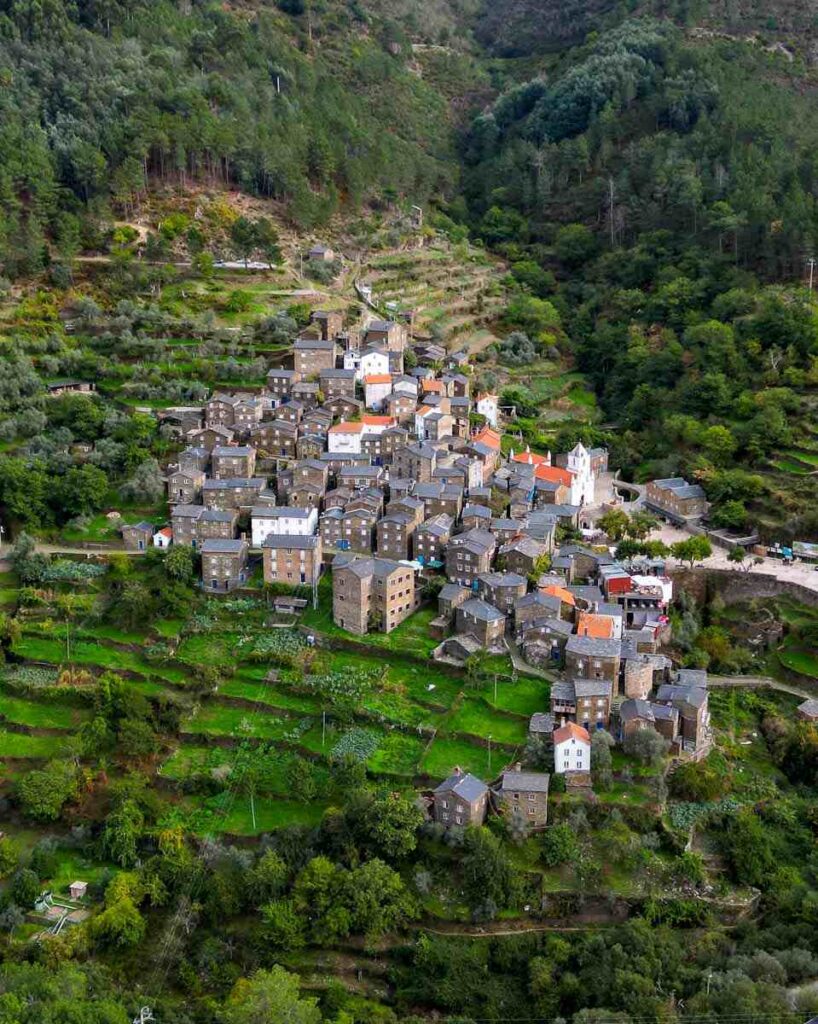
Piodao is a quaint village tucked away in the Serra do Acor mountain range of central Portugal. And it’s something straight out of a fairytale, with schist and slate houses set into a lush green mountainside. Step back in time with a visit to the historical village of Piodao, Portugal.
When I first saw a picture of Piodao, my immediate response was, “I’ve gotta go there!” It looks like a perfect village scene in miniature, nestled into the greenest hillside terraces you can imagine. I remember scanning the photo to see if I could spot a model train in the valley below.
But Piodao, Portugal is certainly real. I’ve visited, and can report that it is just as charming and picturesque as it appears in photos. Although fair warning: getting there is not for the faint of heart!
If you, too, want to see this adorable village in person, I’ll help you plan your visit. Add Piodao to your next Portugal itinerary with advice on how to get there, tour options, all the sights, and even where to eat and stay in case you want to spend a few days in the region.

I independently evaluate all of my recommendations. I might receive compensation for any links you click on my site. Learn more.
In this Guide to Piodao, Portugal
Getting to Piodao | Piodao Tours | History of Piodao | Top Sights | Igreja Matriz de Nossa Senhora da Conceição | Streets and Alleys | Capela das Almas | Piodao River Beach | Souvenirs | Hiking | 12 Historical Villages | Restaurants | Where to Stay | Other Cities in the Region

How to Get to Piodao, Portugal
Let’s start with the dramatic part of my tale of visiting Piodao: getting there. The village is located in the heart of the Serra do Açor mountain range, and the roads leading there are narrow, winding, and often steep. Despite this, though, there are very few guard rails, which I was not prepared for.
I drove to Piodao solo and would have turned back about 10 times, except there was nowhere to turn around!
The roads are relatively well-maintained, but narrow, and full of switchback turns. It’s honestly only about 30 minutes of difficult driving after passing through the village of Coja. But I was unprepared and already a bit tired.
A few times, I passed tour buses and there was room for this, but the high elevation and lack of guard rails made me panic. In the last 10 minutes you’ll begin to descend, though, and once you glimpse the town you’ll be glad you braved the drive!
The route traverses gorgeous green landscapes, impressive vistas, and high mountains. You’ll want to pull over for photos – but unfortunately, there won’t be a place to stop 😀
After you arrive, there is street parking before you reach the town square entrance. Cars aren’t able to drive in the village because the streets are so small. So if you’re staying overnight, be ready to carry or wheel your bags to your hotel or guesthouse.

Car Rental in Portugal
Thinking of renting a car for your trip? I’ve driven in Portugal many times and find it manageable, especially outside the larger cities. Roads in Porto and Lisbon can be narrow, parking can be limited, and rental agencies sometimes add fees at pickup or dispute damage at the end of a trip.
For my last few Portugal trips, I’ve booked through Zest, a car rental aggregator that helps compare availability, pricing, and customer reviews. I still recommend reading recent reviews for each individual rental company before booking, but Zest is the site I use when renting cars in Portugal.
⫸ Search Portugal rental cars on Zest

Tours to Piodao
If you’d rather shut your eyes while someone else does the hard work of getting there, these small group tours include transportation:
From Lisbon: Piodao + Foz De Egua Private Tour
From Coimbra: Piódão & Schist Village of Benfeita
From Coimbra: Cascades and Schist Villages, Piodão

History of Piodao
Now that we’ve arrived in Piodao, let’s talk about its history. The village dates back to the 17th century and was built by farmers and shepherds who needed a place to live in the mountains. The houses were built using local materials, including schist stones and slate roofs, and were designed to withstand the harsh mountain climate.
For many years, Piodao was isolated from the rest of the world, and its inhabitants lived a simple, self-sufficient life. It wasn’t until the 20th century that roads were built connecting the village to the outside world.
There is a legend that Piodao was so remote, it was the perfect hiding place for fugitives from justice.
Today, Piodao is a popular tourist destination, thanks to preserving its traditional way of life and architectural heritage. Many of the residents are still farmers and livestock breeders, but tourism is its main industry.

Top Sights in Piodao: Things to Do
Piodao is quite small, and its main sights can be seen in an afternoon. If you have more time in your itinerary, you can also plan a longer trip with more exploration and hiking in the area.
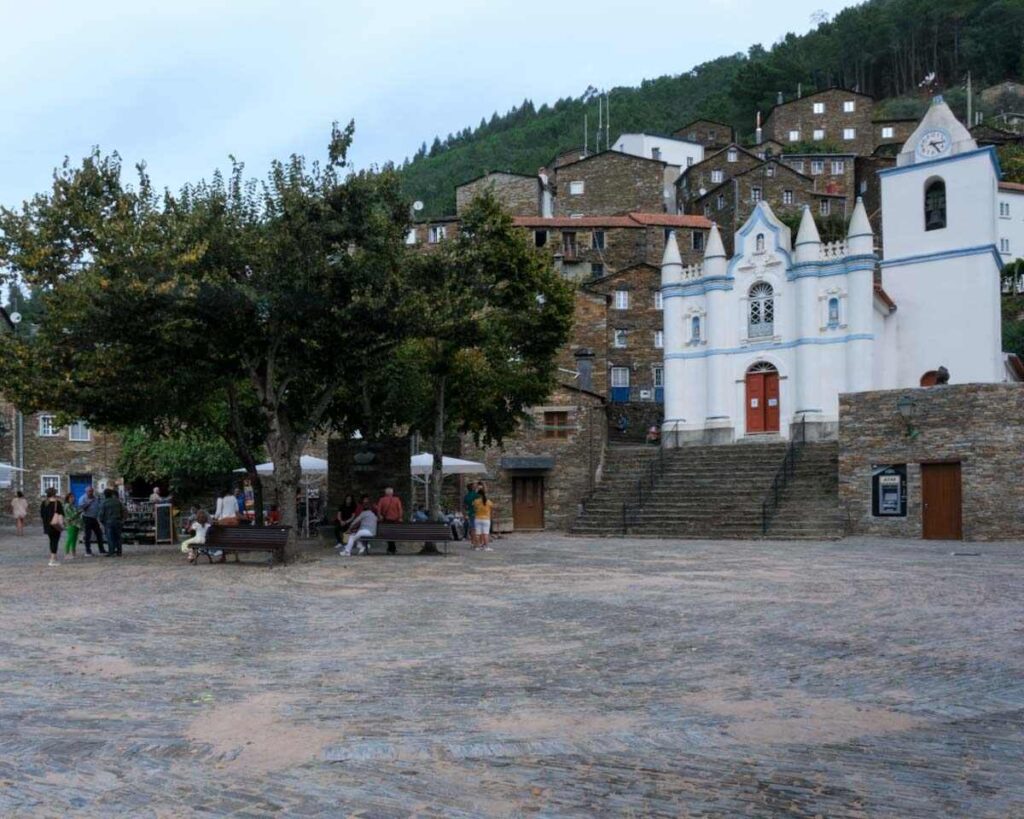
Aldeia Histórica de Piódão
The Aldeia Histórica de Piódão is a museum that tells the story of the village and its people. Here, you can learn about the history of Piodao and see traditional crafts and artwork. The museum is located in the main square of the village and is housed in a traditional schist building.

Igreja Matriz de Nossa Senhora da Conceição
The bright, white Igreja Matriz de Nossa Senhora da Conceição is one of the only buildings in Piodao not made of schist! As a result, it really stands out. You definitely will have no problem spotting it.
The small parish church was built in the 18th century and is located overlooking the main square.
The Levadas of Piodao
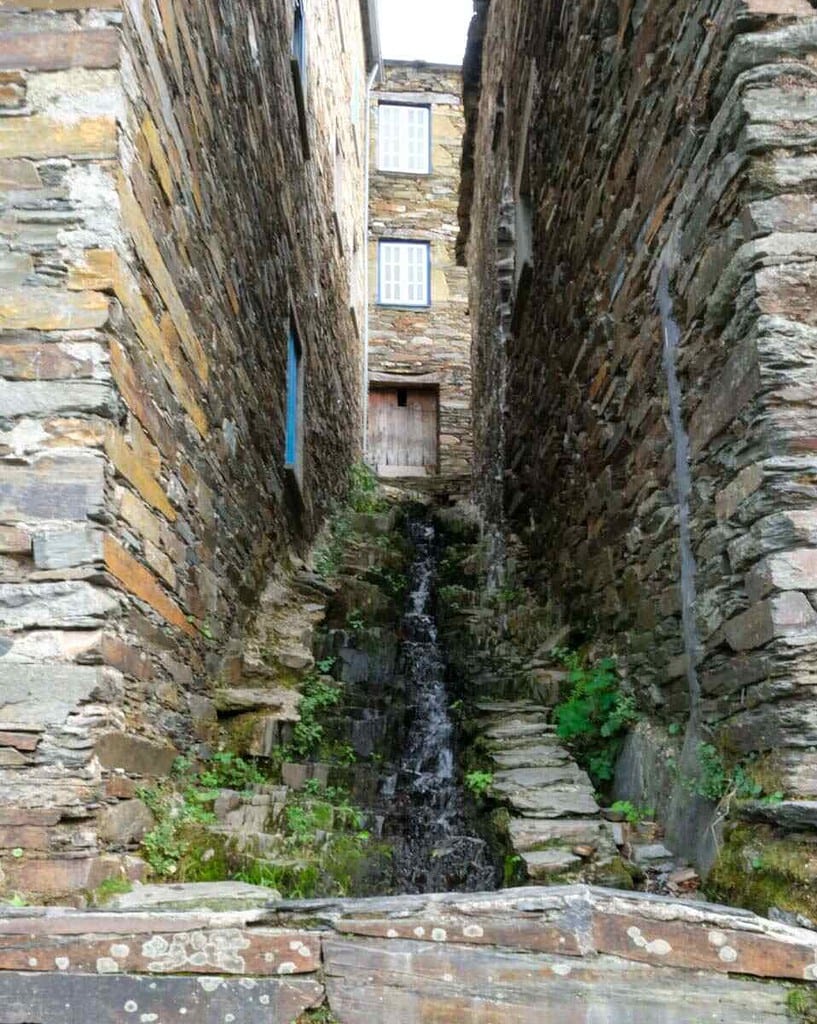
The village has a unique irrigation system called “levadas,” which are small channels that carry water from the mountains to the fields and gardens below. These channels were built by the villagers over several centuries and are still in use today.
You’ll see small streams running alongside streets in the village, which are fed by this system. You can hear running water in most parts of the village, which I found very calming and a nice soundtrack for my visit.
Exploring the Streets and Alleys of Piodao
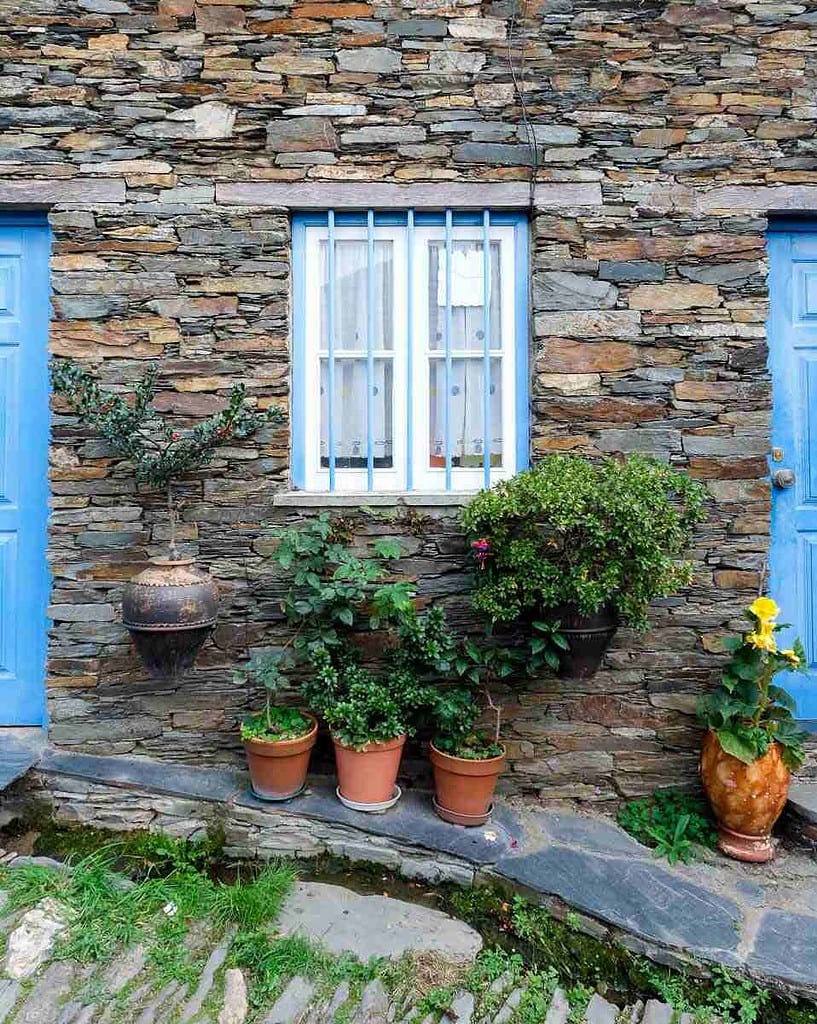
The village’s narrow streets and alleys are lined with traditional schist houses with slate roofs, and they’re a joy to explore. It’s fun to follow their twists and turns and discover pretty views through the houses.
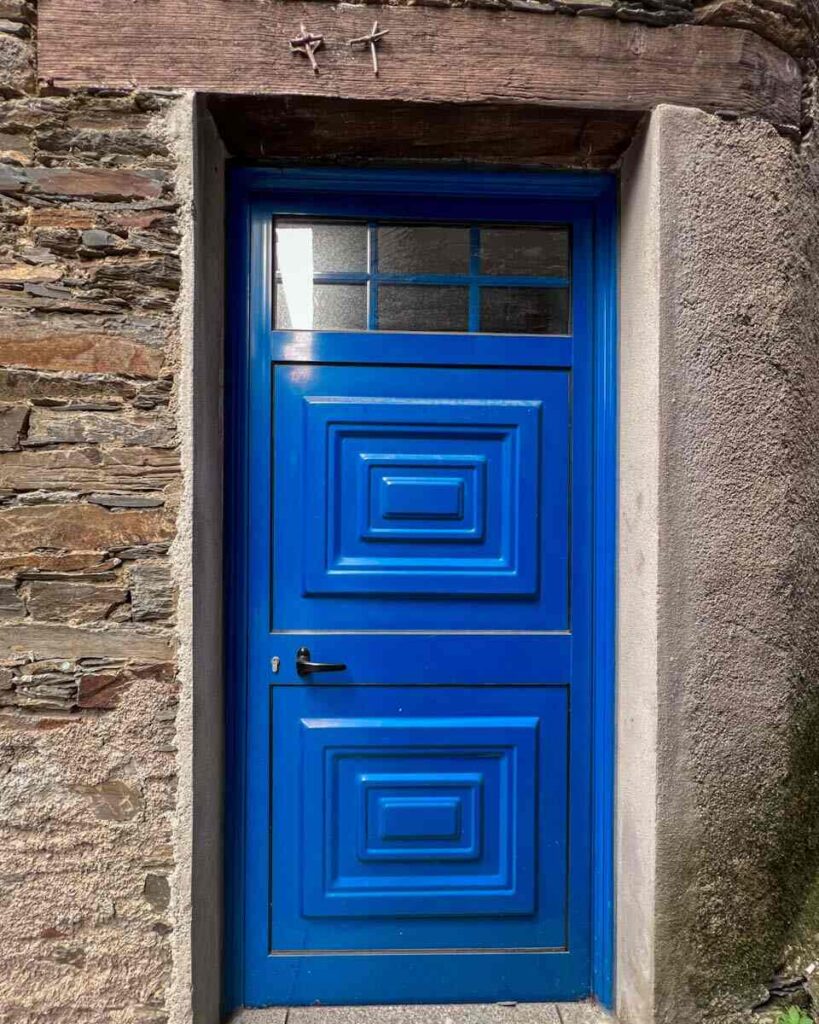
As you wander, look for tiny crosses over the doors. Usually made of wooden twigs, they are a whimsical tradition thought to protect the house’s inhabitants and bring good luck.
Look For Blue Doors and Windows
Why are the doors and window trimmings in Piodao painted in bright blue? No one knows for sure! One legend says that blue paint was the only color available locally. It was so difficult to get to other villages, that it was easiest just to stick with blue!
Another tradition says having a blue door was a symbol of status for some families, and it caught on as a trend through the years.

Capela das Almas
In your stroll through Piodao you’ll likely come upon a small whitewashed chapel with a blue door. Founded in the 18th century, the Capela das Almas was once a mortuary chapel for Piodao and surrounding villages.
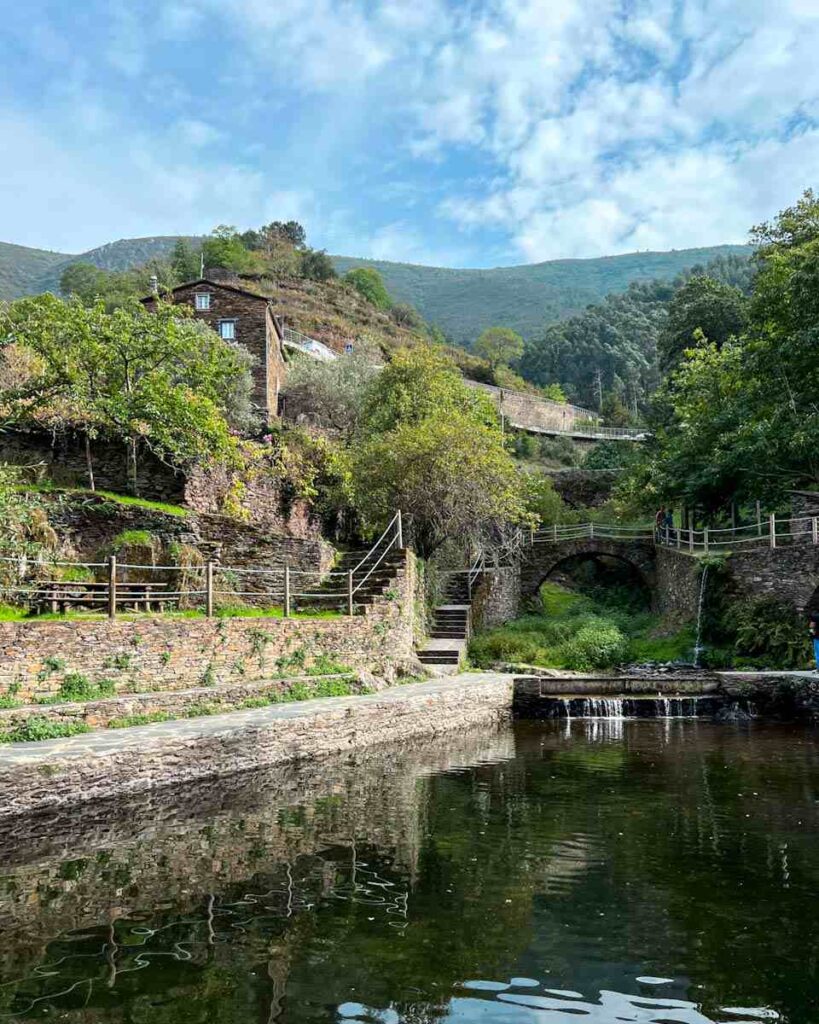
Praia Fluvial do Piodao | Piodao River Beach
Just below the town you’ll find the River Beach, which is a popular place to cool off in summer. In addition to natural waterfalls and pools, there is a swimming pool made of slate.
Many visitors go for a dip here after hiking or visiting the village in the summer months. Be warned, the water that flows down from the mountains is very cold – but refreshing!

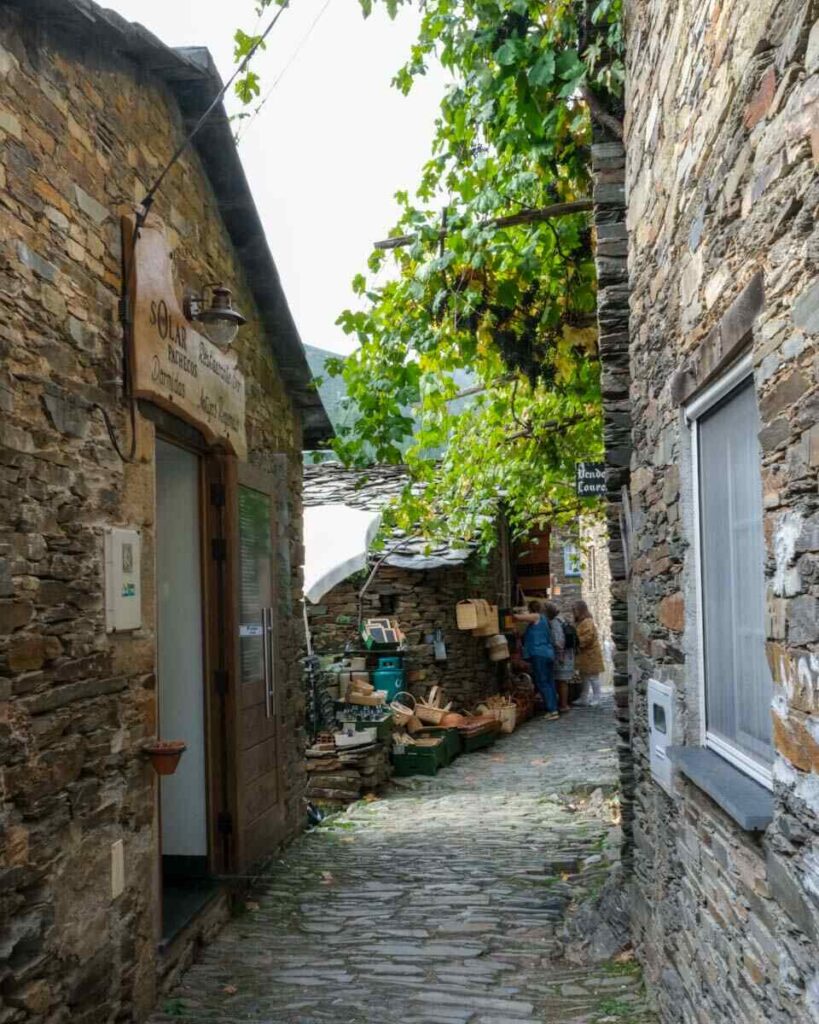
Shopping for Souvenirs
Piodao is a small village, but it has several shops where visitors can find gifts to take home. Handmade crafts, honey, textiles, and chestnut liqueur are just a few options. But the best souvenir might be a mini version of one of the schist houses, which you can find as figures or even smaller magnets.
Most of the shops and souvenir carts are located in the town square and along one of the first streets as you head up into the village.
Hiking in the Area
The surrounding Serra do Açor mountain range is a paradise for hikers and nature lovers. Visitors can explore hiking trails that offer views of the surrounding mountains and valleys, and enjoy the peace and tranquility of the natural surroundings.
One of the most popular hikes is to nearby Foz de Egua, less than 4 miles away, where you can see the village and its picturesque bridges. Find the best trails near Piodao.
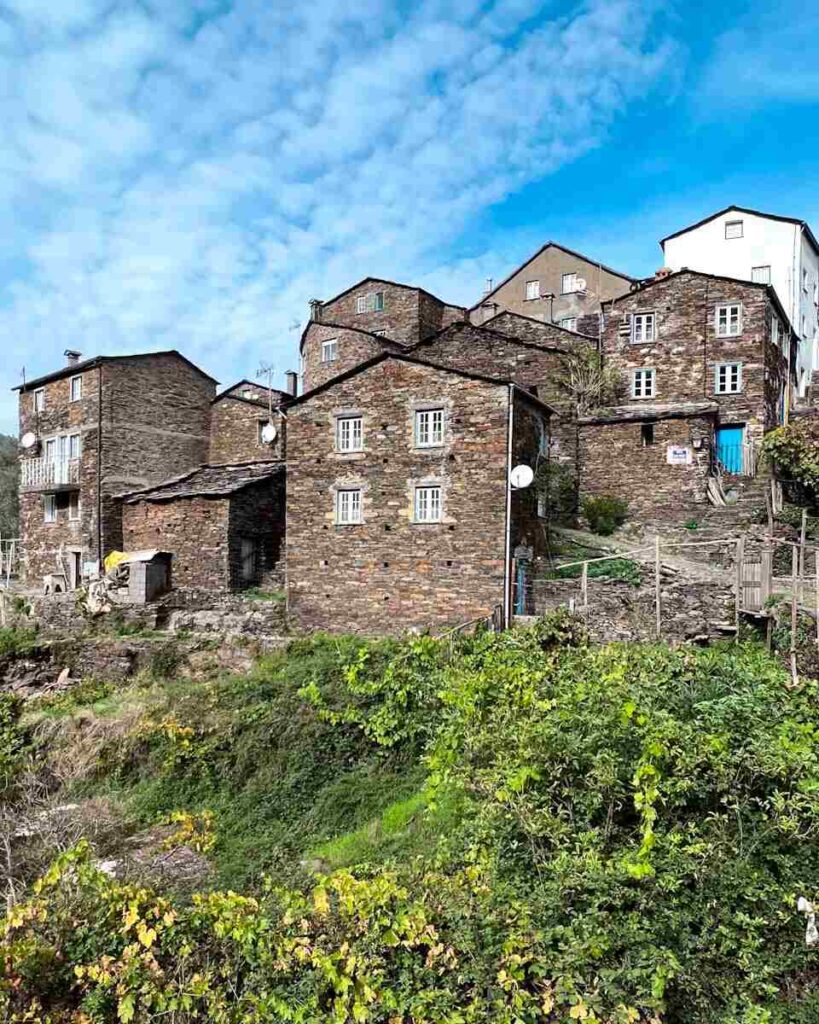
12 Historical Villages of Portugal
Piodao is one of the 12 Aldeias Históricas (Historical Villages) of Portugal. This is a group of villages that have been carefully preserved and restored to showcase their unique cultural and architectural heritage. Each village has its own distinctive character and history, and together they offer a glimpse into Portugal’s past.
The 12 Aldeias Históricas are spread throughout the central and eastern regions of Portugal. If you want to visit them all now (like I do), they are: Almeida, Belmonte, Castelo Mendo, Castelo Novo, Castelo Rodrigo, Idanha-a-Velha, Linhares da Beira, Marialva, Monsanto, Piódão, Sortelha, and Trancoso.
Many of these villages date back to medieval times and were strategically located along trade routes or near castles and fortresses. They were often the site of significant battles and political turmoil, and many of them have impressive fortifications and defensive walls that have been preserved to this day.
Visitors to the Aldeias Históricas can explore each village’s narrow streets and alleys, visit historic churches and museums, and admire the traditional architecture and craftsmanship. They can also enjoy local cuisine and wines, take part in traditional festivals and cultural events, and immerse themselves in Portuguese history and culture.
Where to Eat in Piodao
After all that sightseeing, you’ll surely be hungry! Luckily, Piodao has some options for traditional Portuguese food. I recommend trying the regional specialty of Piodao, chanfana, which is a slow-cooked stew made from lamb or goat that is packed with flavor. You can find it at the local restaurants, such as O Fontina Casa da Padaria.
Piodao is also famous for its local cheese, queijo da serra, which is made from sheep’s milk and is delicious. A popular local pastry is made from honey and chestnuts.
Visitors can also enjoy wines from throughout the Serra da Estrela region, which are the perfect accompaniment to local cuisine.
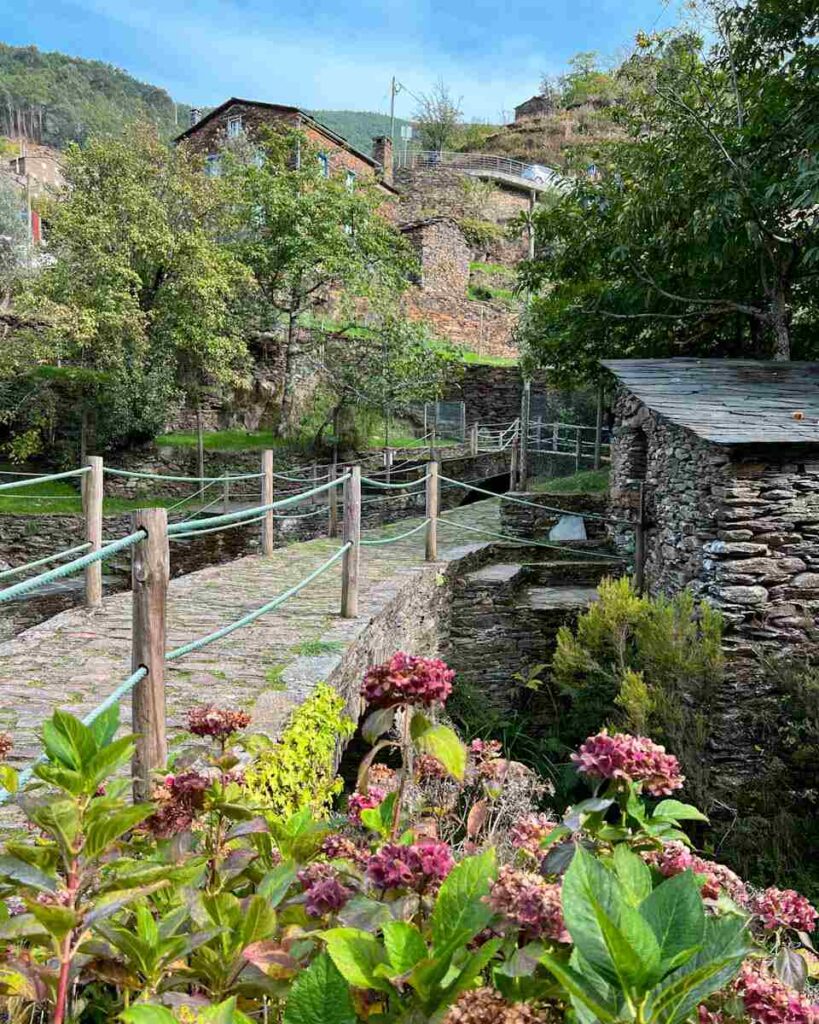
Where to Stay in Piodao
Piodao is a small village, but it has a few options for accommodation. This is lucky, in case you’re too tired to navigate the winding area roads twice in one day!

Top Place to Stay: Casa da Padaria
The top place to stay in Piodao is this former bakery-turned guesthouse in the village. The rooms are cozy and it gets top ratings for friendliness. A tasty breakfast is included.
⫸ Book Casa da Padaria
More hotels and stays in Piodao:
Inatel: The Inatel lodge has modern rooms, a sauna, and an indoor pool, as well as views of the village and valley.
Story Studio Piódão: This one-bedroom traditional house in Piodao has a modern interior with kitchenette, cozy bedroom loft, and living area.
InXisto Lodges: One-bedroom schist houses with modern conveniences, about 10 minutes away in Chãs de Égua.
Other Cities to Visit in the Region
One such village is the nearby village of Foz de Égua, which is located at the junction of two rivers and is known for its natural beauty. The village is surrounded by forested hills, and the rivers are perfect for swimming and fishing. A 1-hour hike takes you here from Piodao.
If you’re interested in history, a visit to the Roman ruins of Conimbriga is a must. These ancient ruins include a well-preserved amphitheater, a forum, and several villas, giving visitors a glimpse into life in ancient Roman times.
Finally, the city of Coimbra, which is located just an hour’s drive from Piodao, is a must-see destination in central Portugal. The city is home to one of the oldest and most prestigious universities in Europe, as well as several museums, historic churches, great restaurants and Fado, plus a beautiful riverfront area.
Also, if you love fairytale settings, don’t miss my guide to Obidos, a wonderfully-preserved walled medieval village with a hotel in its castle!
Is a Visit to Piodao Worth It?
Visiting Piodao is a unique and unforgettable experience, seeing this historic village almost frozen in time. Yes, getting there can be a bit of a challenge, but the journey is worth it!
Take an afternoon to explore the village’s narrow streets, admire its unique architecture, and enjoy a local meal. Or spend a few days to hike in the region and discover other nearby villages as well.
Don’t miss my guides to Obidos and Tomar and their enchanting castles!
