

Sri Lanka Bucket List: 25 Must-See Sights + Things to Do
Last Updated on December 23, 2025
Ancient cities, wild elephants, golden beaches, misty tea estates: Sri Lanka packs an incredible range of adventures into one island. Whether you want to explore ancient fortresses, go on safari, or visit colorful temples, these are the best things to do in Sri Lanka for an unforgettable trip.
Sri Lanka has no shortage of amazing experiences for culture, nature, and adventure lovers. For me, it was such a bucket-list destination that I was almost afraid it wouldn’t live up to the hype! But each day brought epic new adventures: scaling an ancient rock fortress, witnessing a gathering of more than 100 wild elephants, and even learning to cook Sri Lankan curry.
My list covers 25 must-do experiences through Sri Lanka’s cities, mountains, tropical rainforests, and coastlines. Ride a tuktuk through Colombo, sip tea in the green hills of Ella, watch the sun set behind stilt fishermen in the south, or go in search of leopards in Yala National Park. Whether you’re a first-time visitor or returning for a deeper dive, these are the experiences that belong on your Sri Lanka bucket list.
If you’re visiting Sri Lanka for the first time or traveling solo, you might want to go with a small group tour! Check out this 12-day highlights tour from $999 or all Sri Lanka itineraries from G Adventures, a company I’ve traveled with many times before.
I independently evaluate all of my recommendations. I might receive compensation for any links you click on my site. Learn more.
Must-See Sights & Things to Do in Sri Lanka
On the map below, click the dock icon in the top left to open the description of sights or click on individual pins.
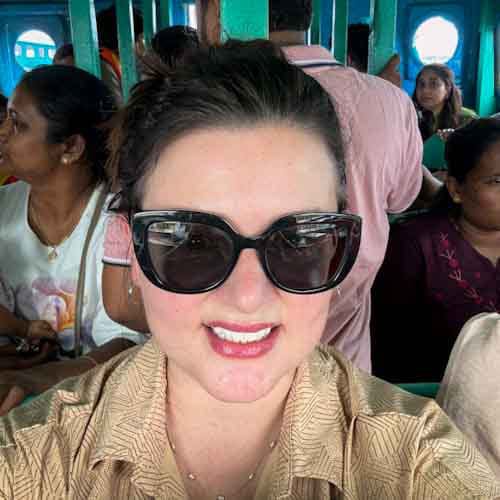
The Haphazard Traveler Pro Tip
Adrienne’s Top Tip for Sri Lanka Travel: Elephants!
Sri Lanka is one of the best and most affordable places in the world to see elephants in the wild! Make sure your itinerary includes a visit to a national park like Yala, Minneriya or Kaudulla. In the Cultural Triangle, here’s a great tour for Kaudulla National Park. Or in the south, here’s a top-rated full-day safari in Yala National Park. It’s always best to see elephants in the wild, where they can live in their close-knit family groups without human interference.
My trip to Sri Lanka was hosted by the Sri Lanka Tourism Development Authority. I appreciate the opportunity to experience destinations and accommodations through hosted trips, with the understanding that my coverage is based solely on my personal experience and professional judgment.
1. Ride a Tuk-tuk Through Colombo’s Bustling Streets
Zip through Sri Lanka’s capital in a tuktuk, stopping for street food, colonial landmarks, and local markets.
The streets of Colombo can feel like a full-on sensory overload after a long flight! But before rushing off to the beaches or tea country, I recommend spending a few nights here to adjust to the time difference and ease into Sri Lanka’s pace (and heat). A tuktuk tour like this one is a great way to do this!
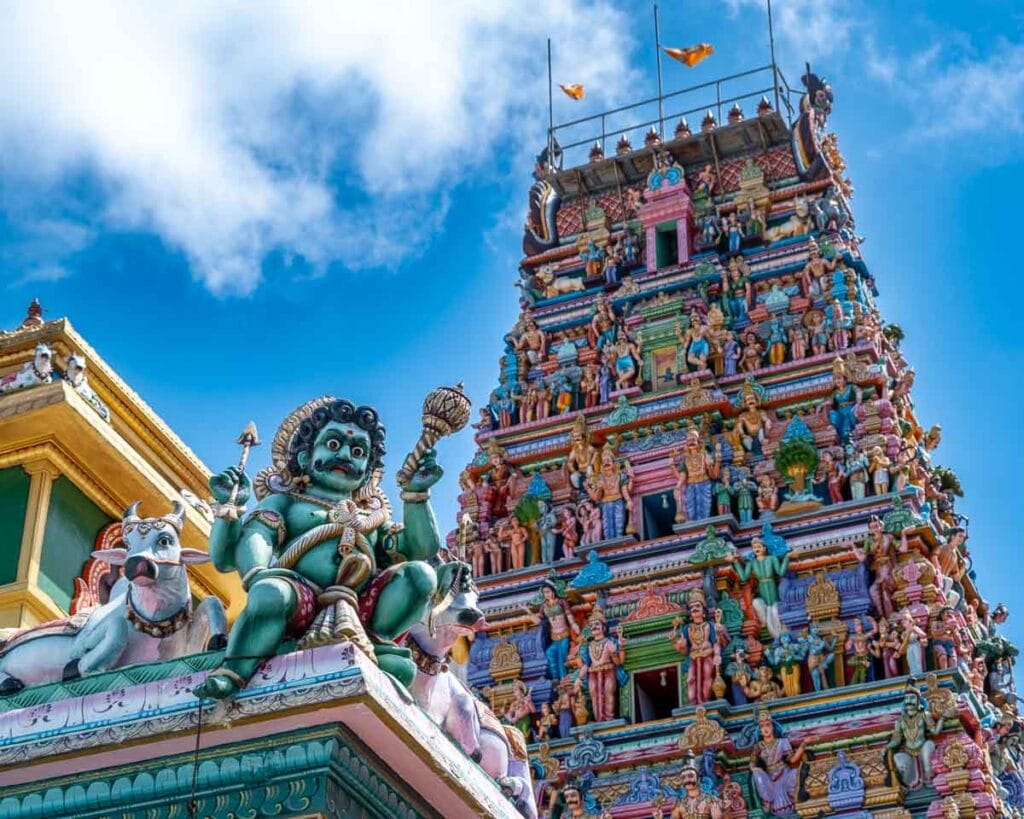
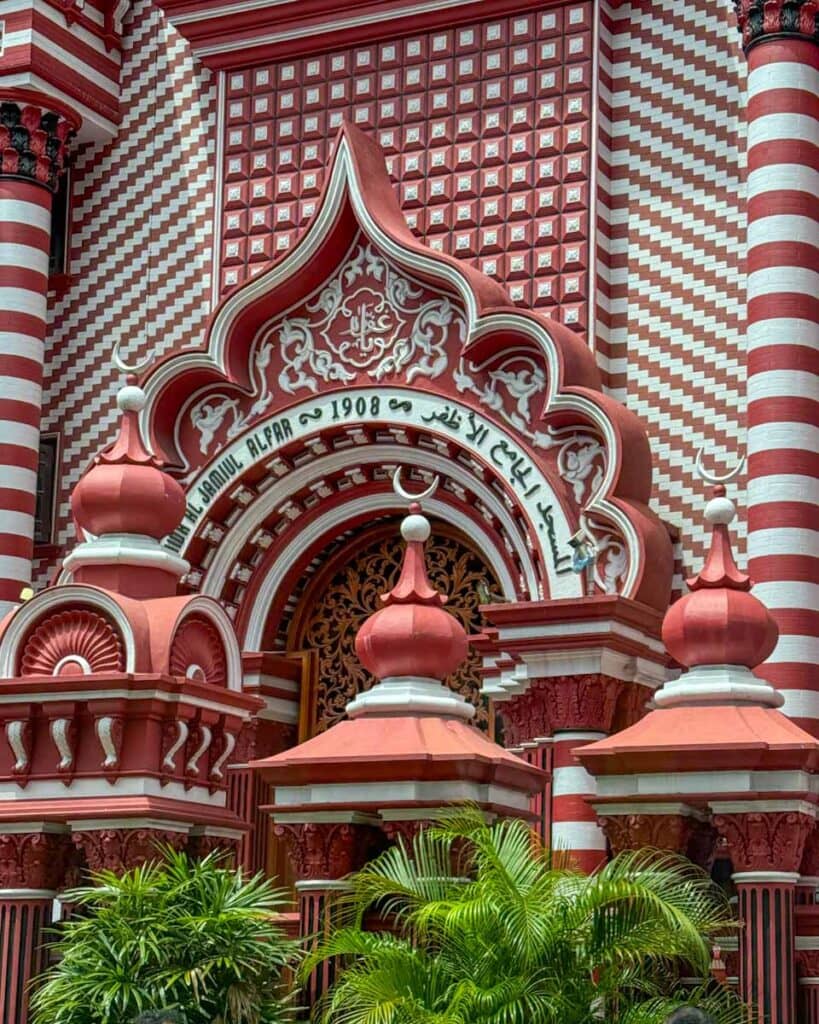
Colombo’s religious sites show the country’s multiculturalism: you can find Buddhist, Hindu, Muslim, and Christian places of worship within the same neighborhood. Tuk-tuk tours often visit several religious sites, like the red-and-white striped Jami Ul-Alfar Mosque and the colorful Hindu Sri Kaileswaram Temple.
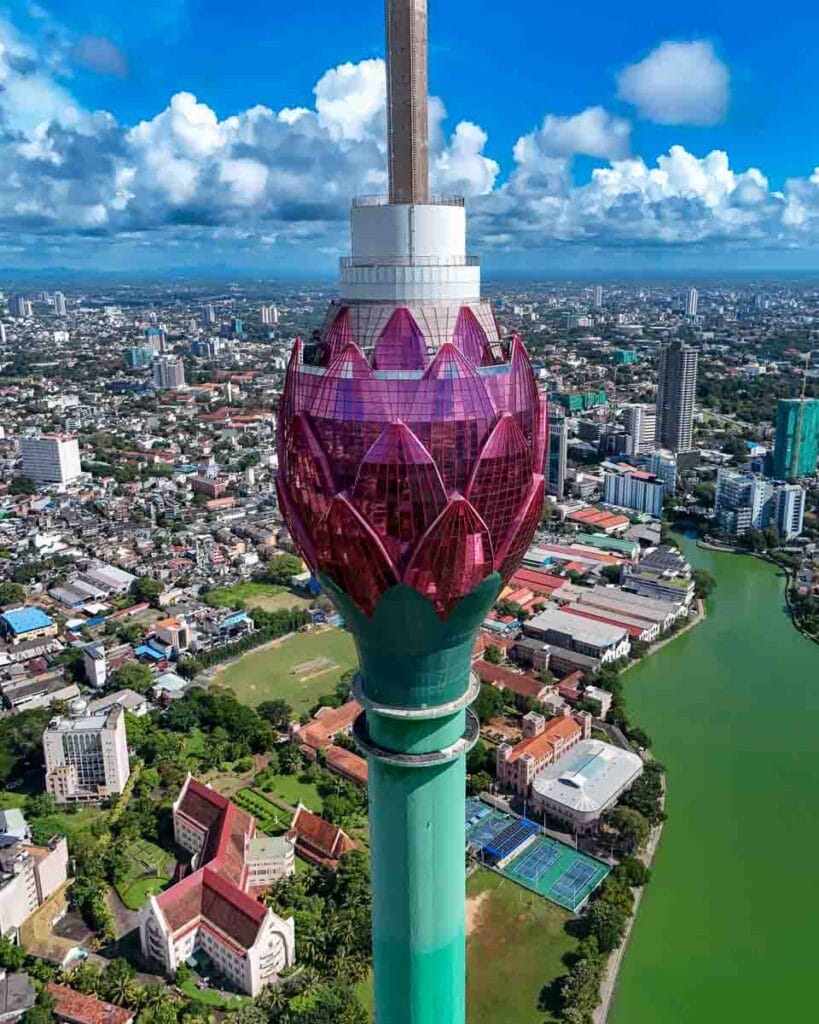
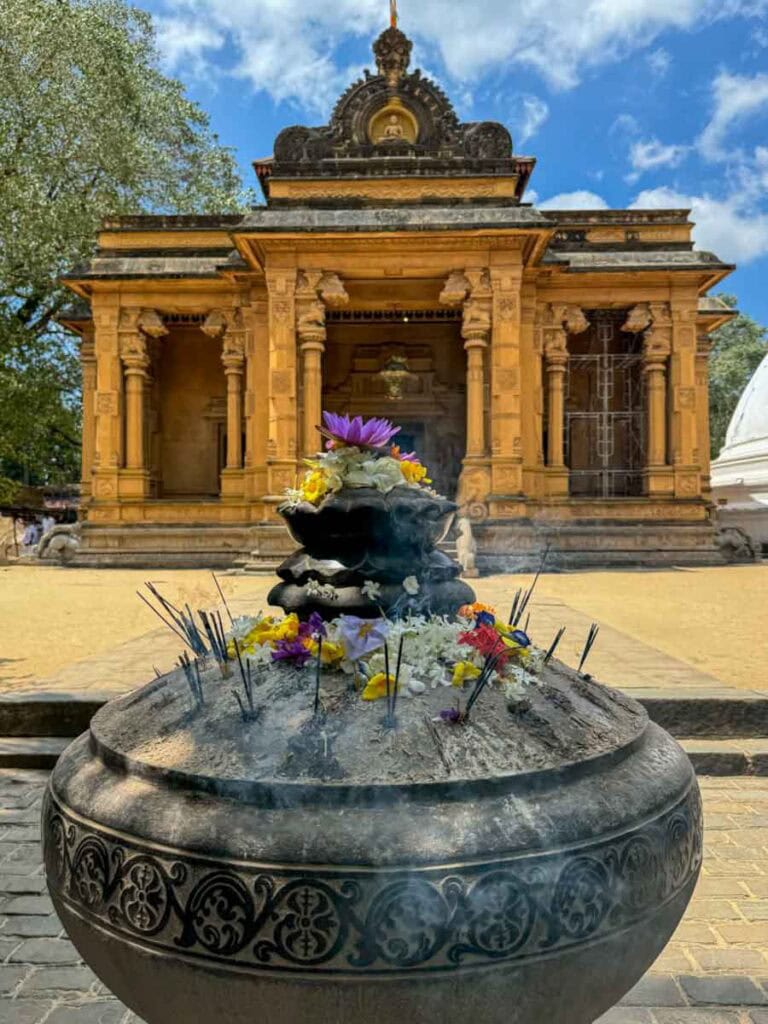
For the best views of the city, find a tour that will stop at Lotus Tower: it’s Asia’s tallest self-supporting tower at 1168 feet. You can also head to Galle Face Green, a seaside promenade, for a street food snack.
Alternatively, you can opt for a private tour by car or an Open-Top Bus tour for a bird’s-eye view of the city. In any case, I recommend booking online on a site like Viator. Or if in-person, be sure to agree on a price and stops before you start your adventure.
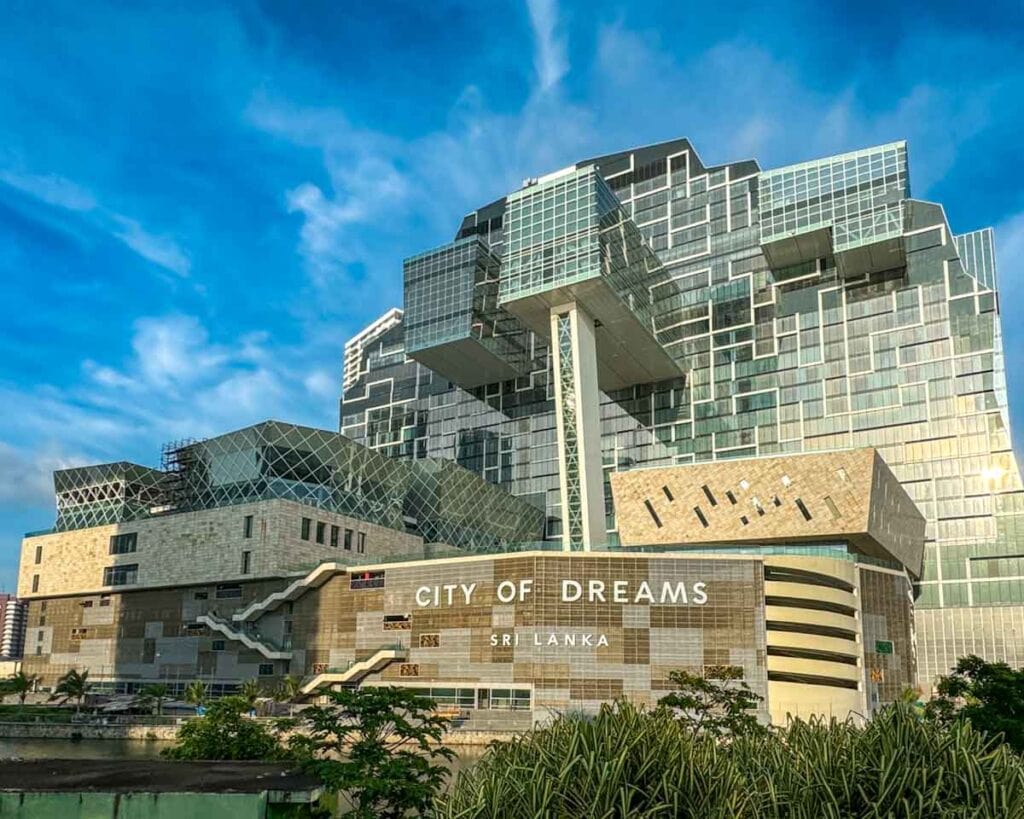
Where to stay in Colombo:
- Splurge: I was hosted in Colombo by Cinnamon Life Colombo, which was a fantastic place to land after my 30+ hours of travel from the U.S.! You can cool off from the city heat with a swim in the rooftop infinity pool, sip a cocktail at the glitzy bar, dig into excellent local cuisine at their restaurant, and get a good night’s sleep before heading deeper into Sri Lanka.
- Midrange: Cinnamon Red Colombo with a rooftop pool and restaurant onsite

2. Scale the Sigiriya Lion Rock Fortress
Climb the 1,200 steps of this ancient rock citadel for stunning views and beautiful frescoes.
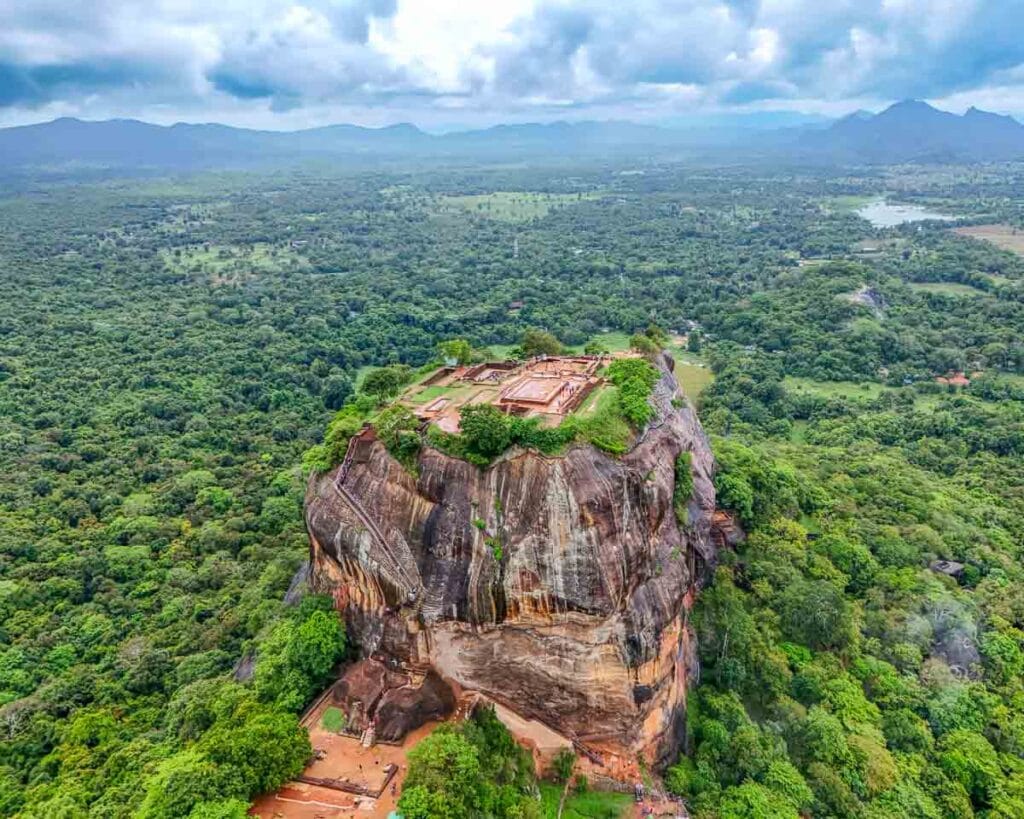
Sigiriya is an ancient rock fortress that rises 660 feet above the surrounding jungle. Located in the region known as the “Cultural Triangle,” Sigiriya is a UNESCO World Heritage Site and a must-see for your Sri Lanka bucket list.
In the 5th century this massive rock was transformed into a fortified palace by King Kashyapa, who built elaborate gardens, frescoes, and an advanced hydraulic system at its base. At the top, he constructed a royal palace, guarded by a massive carved lion entrance, though only the lion’s paws remain today. After Kashyapa’s death, Sigiriya became a Buddhist monastery before eventually being abandoned.
Climbing Sigiriya means making your way up 1,200 steps to the summit, which takes about 1-2 hours depending on your pace. The first part of the hike consists of smaller sections of steps and green terraces, while the final section has high catwalks that cling to the rock face. I have average fitness, and it took me just over an hour from the first steps to the top, with plenty of stops.
After you descend from the top, you’ll be able to see the famous fresco paintings and the “Mirror Wall,” with ancient graffiti on your way back down. (To reach the frescoes, you’ll need to head up a flight of steps again, just a warning for your legs!)
Grab my full guide to what to expect when climbing Sigiriya ⫸
Be sure to also visit the Sigiriya Museum, with artifacts and scale models of the site. If you’re hiking early, visit the museum after you summit; or if you’re hiking for sunset, you can visit the museum first to better understand Sigiriya’s history.
For the truly adventurous (and more fit than me!), consider a climb up nearby Pidurangala Rock for a panoramic view of Sigiriya and the surrounding landscape.
Note: Drones are typically not permitted at Sigiriya – I had authorization through the Tourism Board from several government agencies.
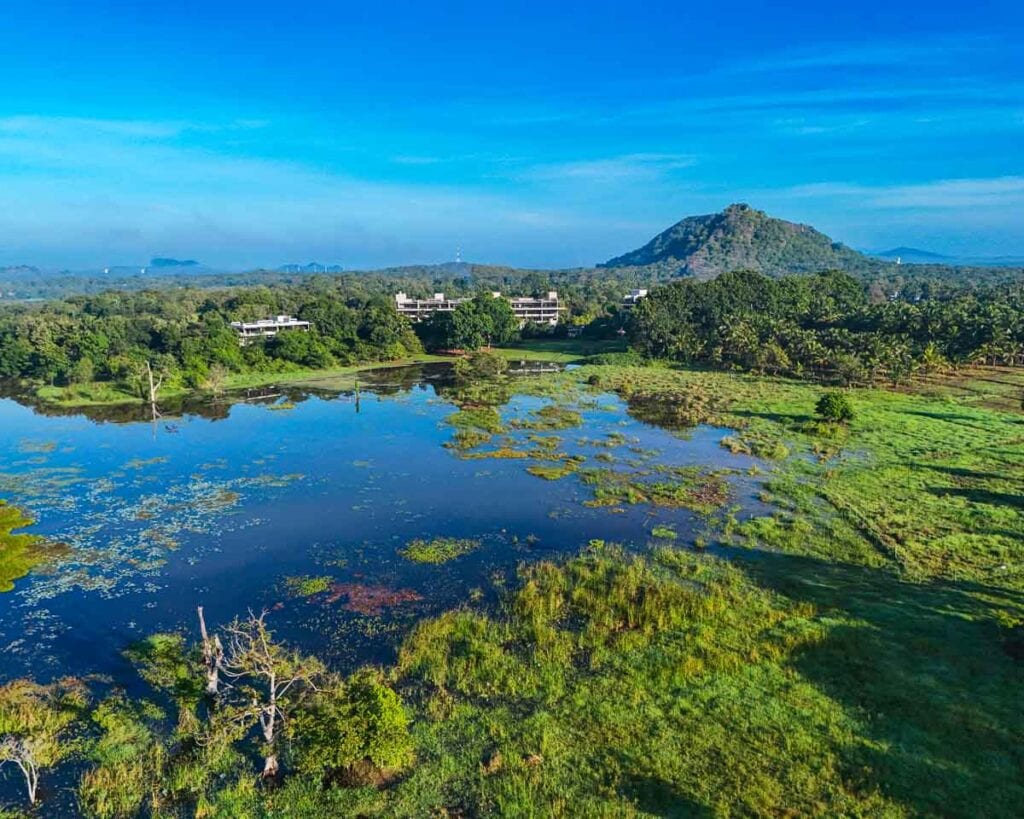
Where to stay in the Cultural Triangle:
- Midrange: I was hosted in Dambulla at Jetwing Lake, a peaceful lakeside retreat with modern amenities, a sparkling pool, and an amazing restaurant. It made the perfect base for exploring sights in the region.
- Splurge: I also visited Aliya Resort and Spa in Sigiriya for lunch and also snagged a tour of one of their 2-bedroom suites with a private pool. This would be perfect for a family or friends traveling together! Other room types are also available.
- Hostel: I was hosted at Eco Pavilion in Sigiriya for a cooking demonstration and lunch, where they also offer dorm beds and budget ensuite rooms with a delicious breakfast included. Staying here is a great way to support a local woman-owned business.
3. Witness an Elephant Gathering at Minneriya or Kaudulla
See hundreds of wild elephants congregate by the water during Sri Lanka’s famous elephant migration.
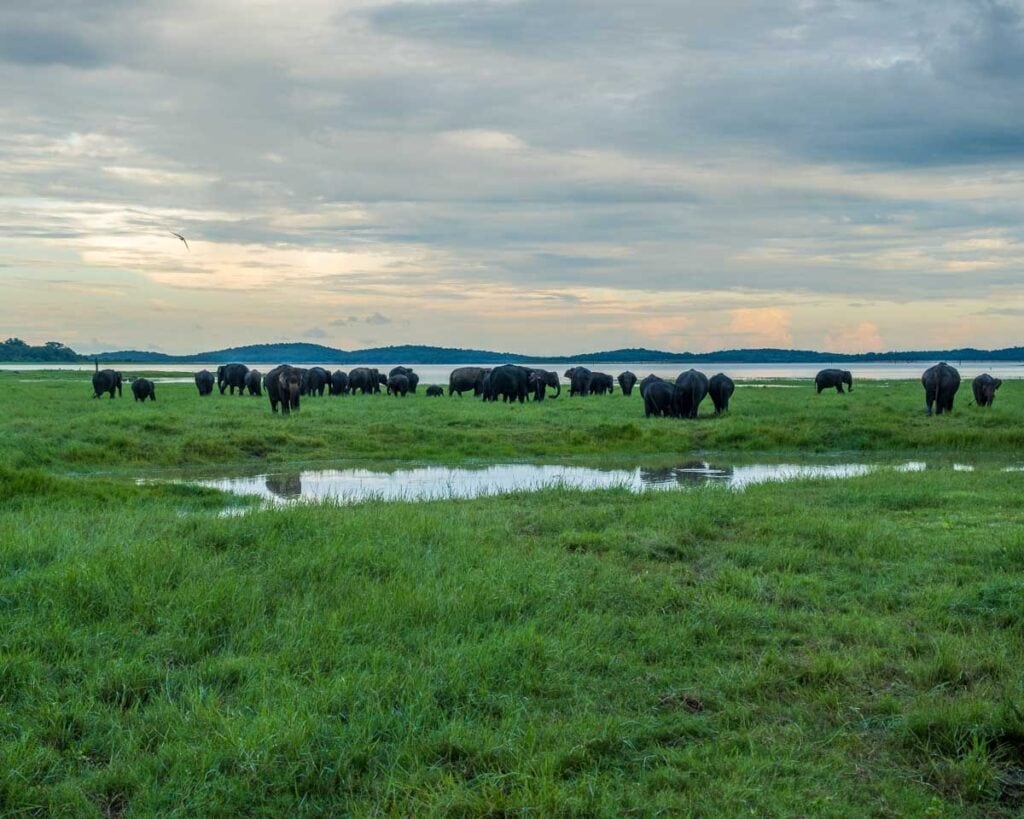
Every year, during the dry season from July to October, hundreds of wild elephants migrate to the lush grasslands of Minneriya and Kaudulla National Parks in search of water. This event, known as “The Gathering,” is one of the largest congregations of Asian elephants in the world and a once-in-a-lifetime wildlife experience.
As water sources dry up across the North Central Province, elephants from surrounding forests make their way to Minneriya Tank, a vast ancient reservoir built over 1,700 years ago. In the late afternoon, they emerge from the jungle and gather around the water source.
The elephants move between the parks depending on water levels, and usually migrate to Kaudulla in October in search of more food and water in its reservoir.
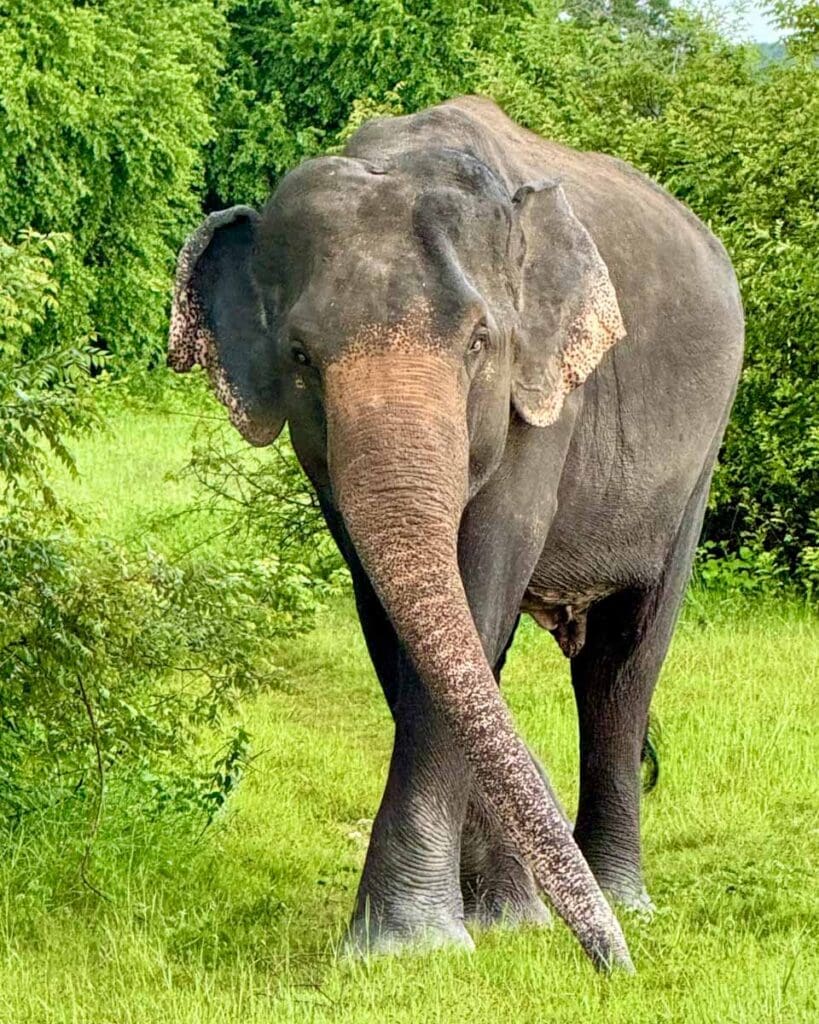
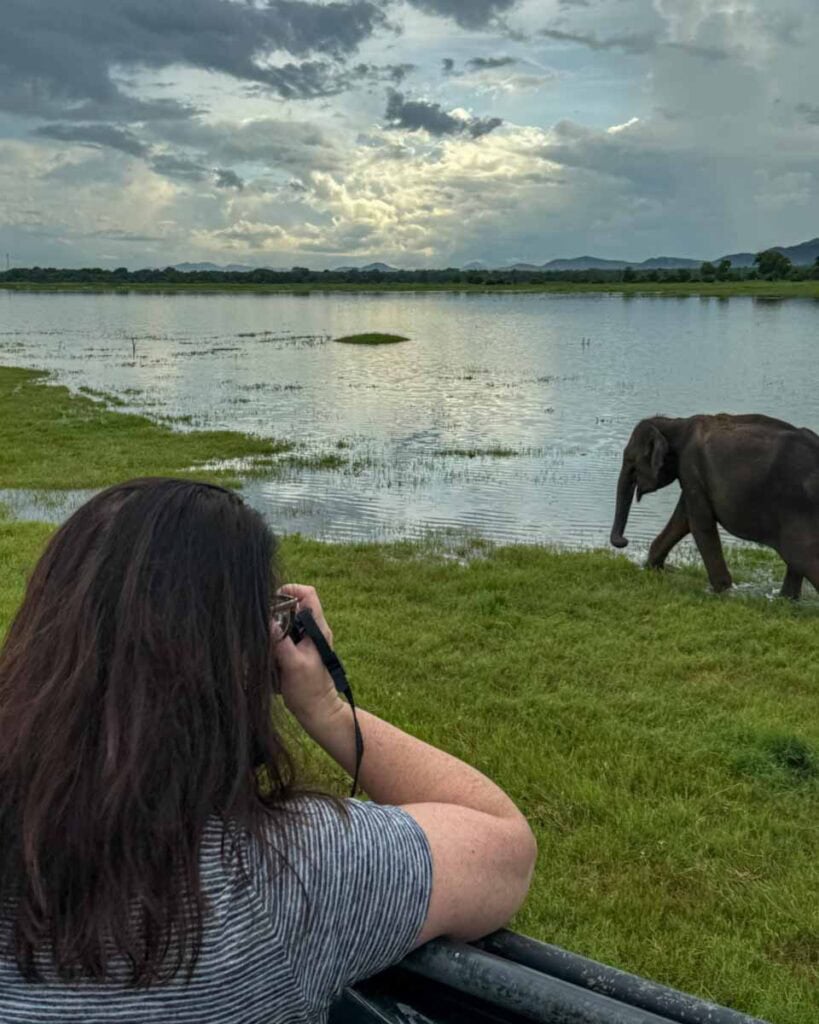
I visited Kaudulla in late October and was lucky to get to see over a hundred elephants roaming freely across the open plains. Absolutely unforgettable, and my favorite experience in Sri Lanka! Don’t miss the chance to see elephants in the wild here.
While the dry season and the months of September and October offer the highest elephant numbers, sightings are possible year-round. I recommend Kaudulla, since it tends to have fewer trucks and makes for a more peaceful experience. Go for an afternoon safari as the elephants gather near the water from around 3:00 to 6:00 PM.
It’s possible to combine either of these national parks with a visit to Sigiriya. You can book a tour with guide and truck online.
Read next: Kaudulla National Park Safari Guide ⫸
4. Explore Sri Lanka’s Ancient Capitals of Anuradhapura and Polonnaruwa
These ancient capitals are home to centuries-old stupas, grand monasteries, and stone carvings from Sri Lanka’s royal past.
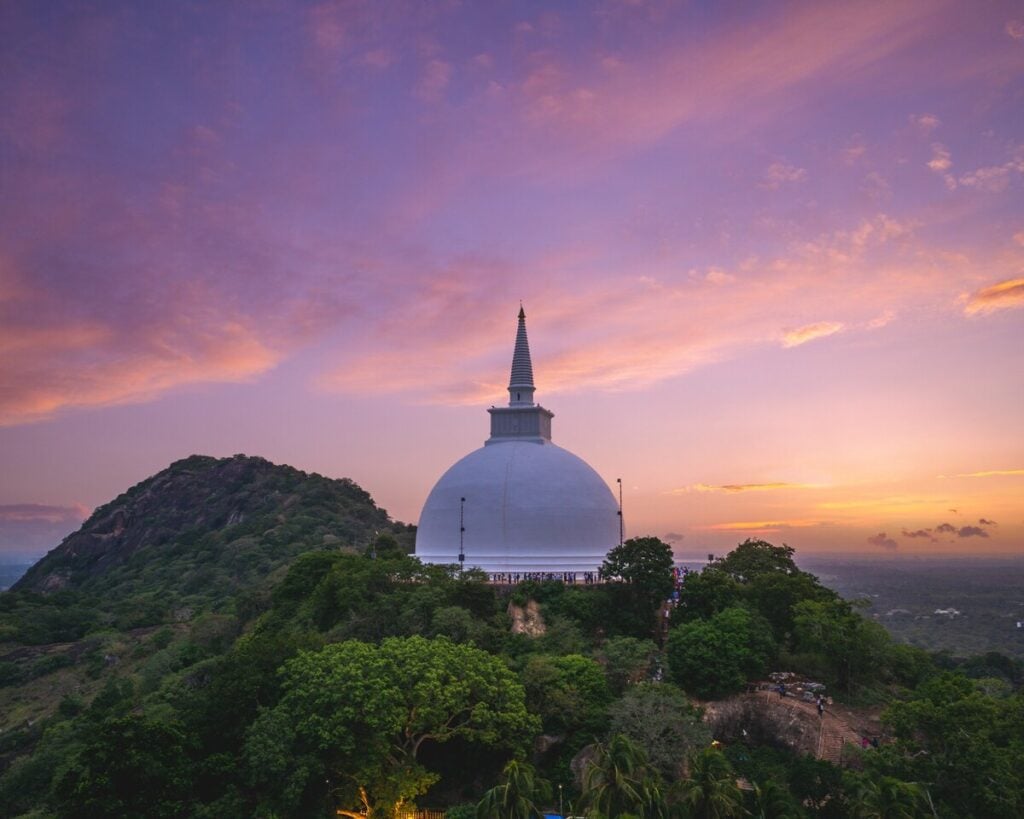
Founded in the 4th century BCE, Anuradhapura was Sri Lanka’s first great kingdom and a major center of Buddhism. At its peak, it was home to massive dagobas (stupas), palaces, and one of the oldest recorded trees in the world, a sacred fig tree believed to be a descendant of the tree under which Buddha attained enlightenment.
Anuradhapura is a large, spread-out site, so the best way to explore is by bicycle or by a tuk-tuk tour. It takes at least half a day to see the highlights, but history buffs might want to stay longer.
After Anuradhapura’s decline, Polonnaruwa became Sri Lanka’s second great capital in the 11th century. More compact and easier to navigate, it features well-preserved ruins of palaces, temples, and monasteries.
Polonnaruwa can be explored by bicycle or tuk-tuk, with shaded paths making for an easier ride between ruins. The site can be covered in about 3-4 hours, making it a great half-day trip or full day in combination with Dambulla.
A guide can help you make the most of these sights. Both are UNESCO World Heritage Sites and key stops on Sri Lanka’s cultural circuit.
Grab my essential guide on what to pack for Sri Lanka ⫸
5. Visit the Dambulla Cave Temple
Explore five cave temples filled with over 150 Buddha statues and intricate murals.
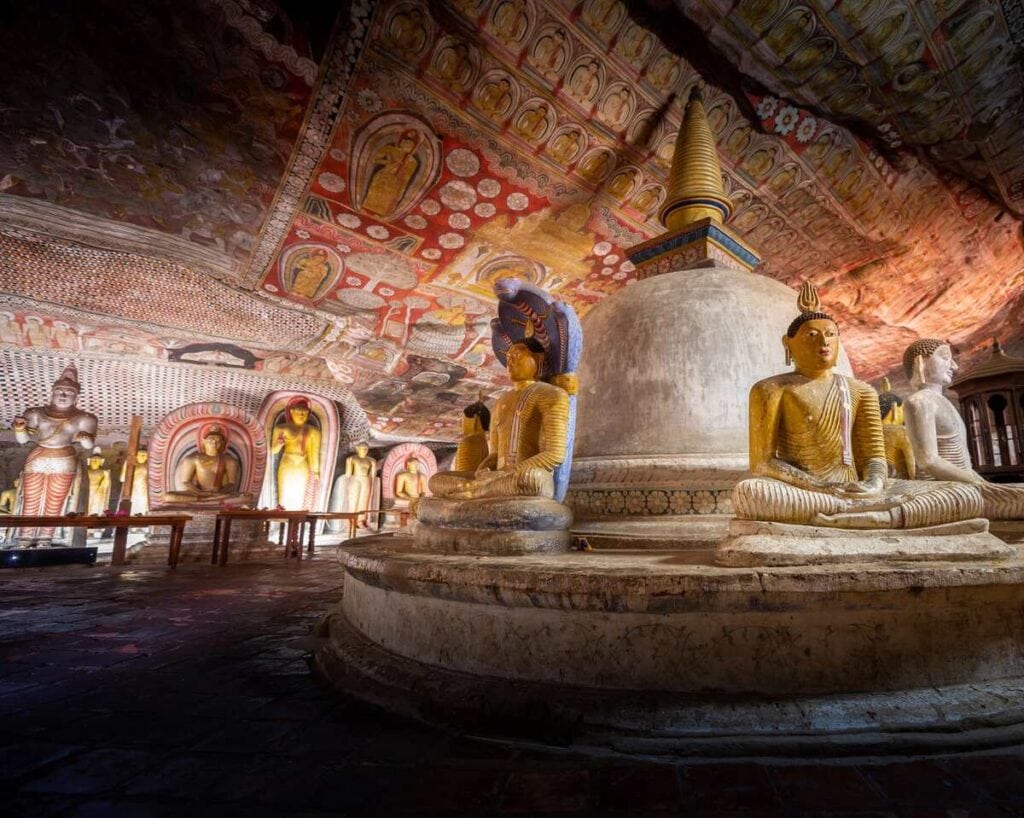
The Dambulla Cave Temple is Sri Lanka’s largest and best-preserved cave temple complex. A UNESCO World Heritage Site, it has been a place of worship for over 2,000 years and is still an active Buddhist monastery.
The temple consists of five cave shrines, each filled with intricate murals and over 150 Buddha statues, some dating back to the 1st century BCE. The most striking is the 14-meter-long reclining Buddha, carved directly into the rock.
The entrance sits at the top of a 10–15 minute uphill walk, with wide stone steps leading up to the caves. Be sure to bring water and wear proper footwear. You can also book a tour that includes transportation and guide.
The caves are still an active religious site; you’ll see flowers and other offerings being placed at the Buddha statues. Be sure to dress appropriately – both men and women should have shoulders and knees covered. Don’t miss grabbing a photo at the exit with the view of the surrounding countryside.
6. Climb Pidurangala Rock for an Epic View of Sigiriya
For a sunrise or sunset hike, scale Pidurangala Rock for a panoramic view of Sigiriya and the surrounding landscape.
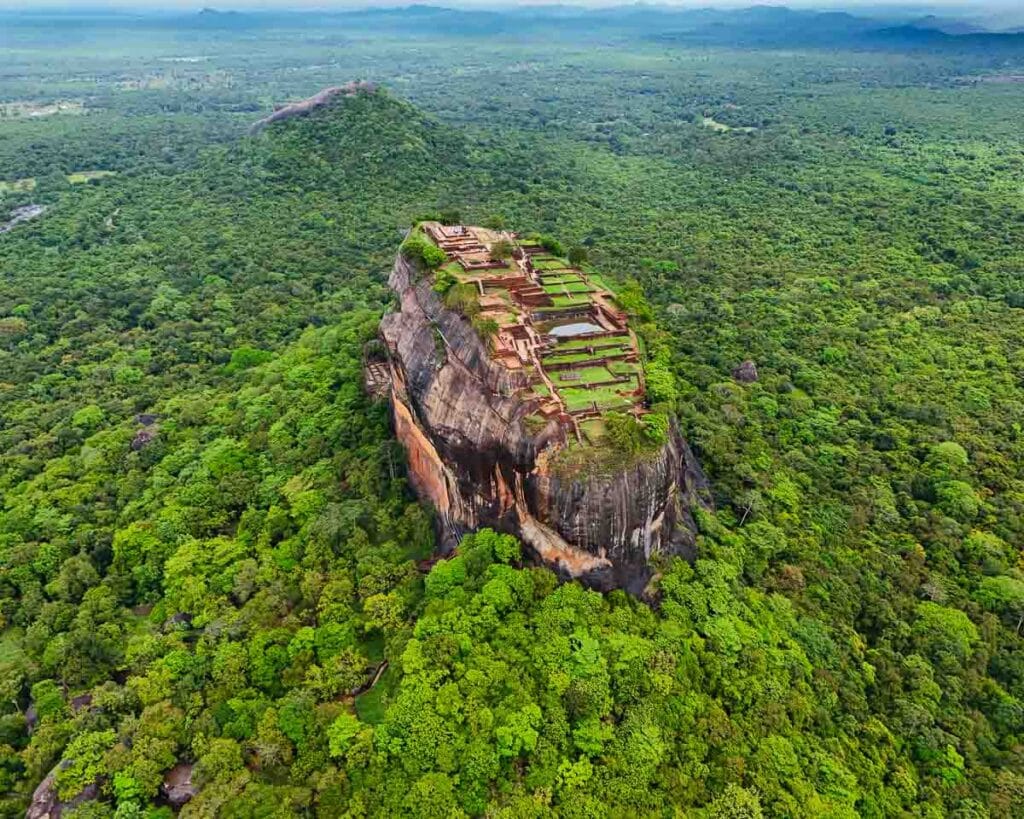
For a stunning panoramic view of Sigiriya, you can also hike up nearby Pidurangala Rock. Just a 10-minute drive from Sigiriya, this lesser-known hike offers a quieter, more affordable alternative with equally gorgeous scenery including views of Sigiriya itself.
The 30–40 minute ascent starts at Pidurangala Royal Cave Temple, where you’ll pass a large reclining Buddha before reaching the final stretch—a short but steep rock scramble to the summit. At the top, you’ll be rewarded with unobstructed views of Sigiriya rising above the jungle.
You don’t need to be an experienced hiker to climb Pidurangala, but a moderate level of fitness helps. The first half of the hike is relatively easy, with a well-defined path and stone steps leading up from the Pidurangala Royal Cave Temple. The final 10 minutes, however, involve steep sections and some rock scrambling, where you’ll need to use your hands to pull yourself up over boulders.
If you’re reasonably active, you should be able to reach the top in 30–40 minutes. For those with knee issues or limited mobility, the last stretch might be challenging. Taking your time and wearing sturdy shoes will make the climb easier.
7. Visit the Temple of the Sacred Tooth Relic in Kandy
See Sri Lanka’s most sacred Buddhist temple, home to a relic of Buddha’s tooth.
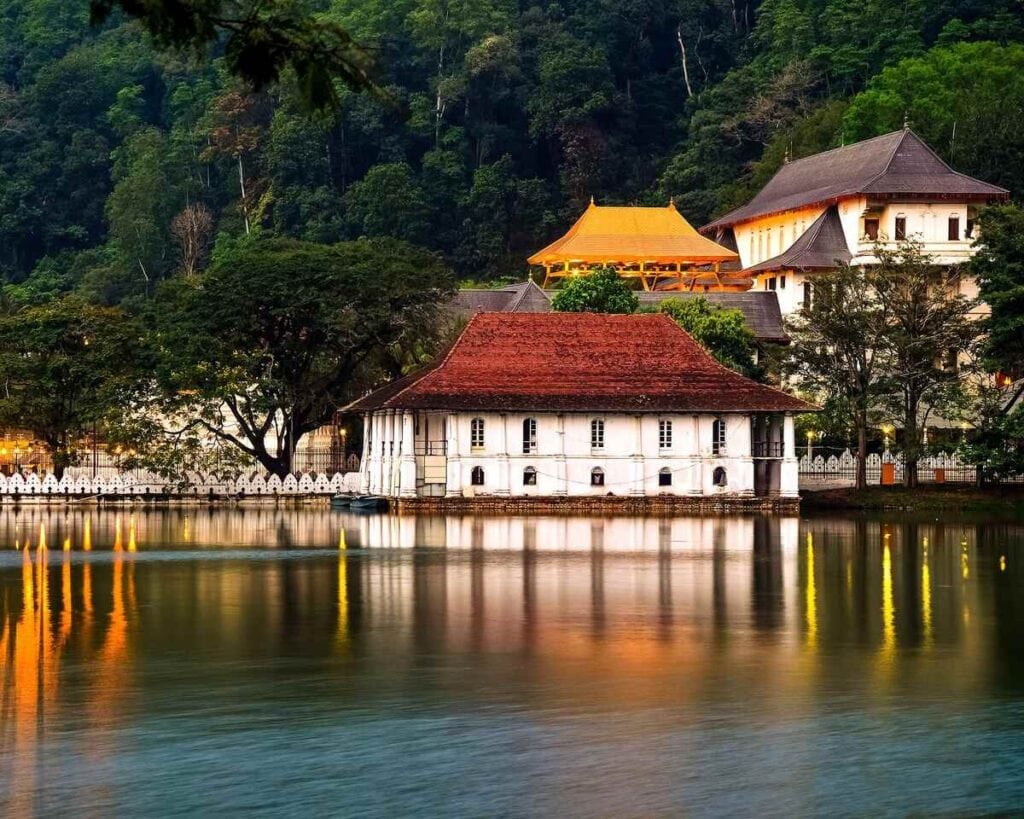
The Temple of the Sacred Tooth Relic, or Sri Dalada Maligawa, is one of the most important Buddhist pilgrimage sites in the world. Located in Kandy, this temple houses Sri Lanka’s most revered relic: a tooth believed to belong to the Buddha.
According to legend, the relic was smuggled to Sri Lanka in the 4th century, hidden in the hair of a princess. Since then, it has been a symbol of power, with Sri Lankan kings and rulers protecting it for centuries.
The temple itself is a complex of white walls, gold roof tiles, and intricate woodwork, at the edge of Kandy Lake. Inside, the relic is kept in a heavily guarded golden casket, which is displayed to the public during daily offering ceremonies. While visitors can’t see the tooth itself, the atmosphere during daily ceremonies is deeply spiritual, with drumming, chanting, and offerings of lotus flowers.
The complex includes a museum, a shrine, and the World Buddhism Museum.
While here, you can also stroll around Kandy Lake, visit the Royal Botanical Gardens in Peradeniya, or watch a Kandyan cultural dance performance.
8. Discover Jaffna’s Tamil Culture and Heritage
Visit colorful Hindu temples, explore Jaffna Fort, and try traditional dishes like crab curry.
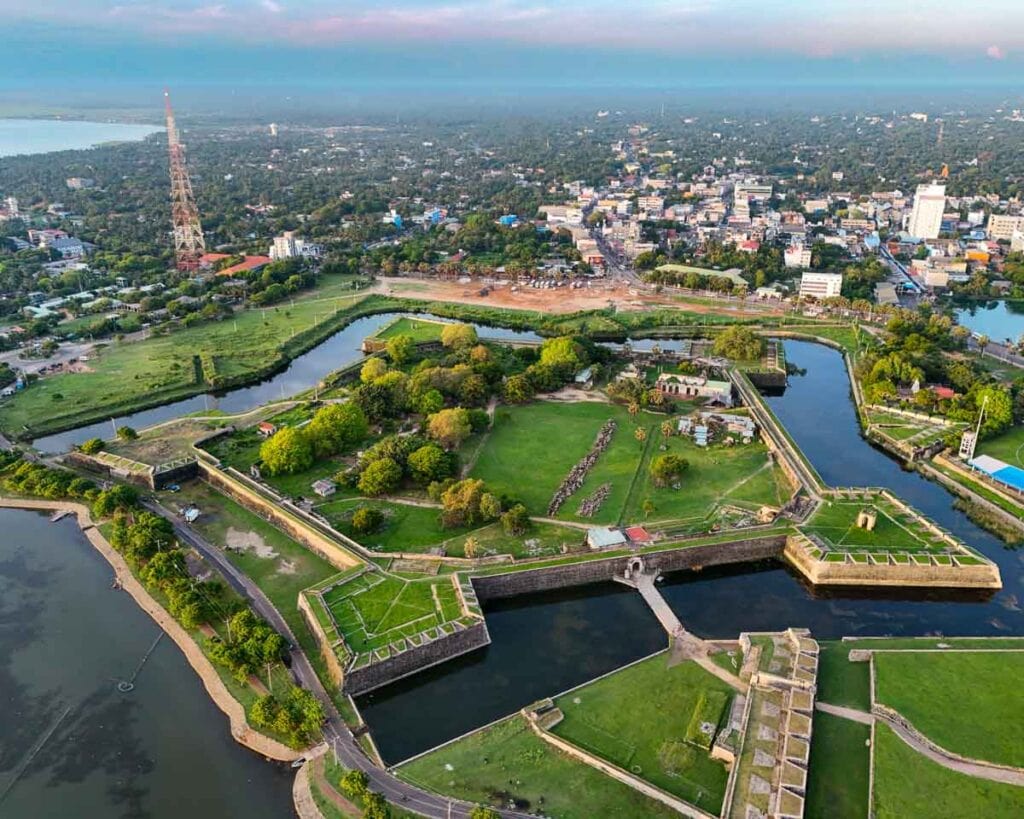
In Sri Lanka’s far north, Jaffna feels a world apart from the rest of the country. Strongly influenced by Tamil culture and Hindu traditions from Southern India, this region has its own distinct identity, from its temples to its cuisine.
Jaffna is still rebuilding after decades of isolation due to Sri Lanka’s civil war which ended in 2009. While tourism services remain basic, the city offers the chance to experience a side of Sri Lanka that few visitors see.
A good place to start is Jaffna Fort, built by the Portuguese in the 17th century and later expanded by the Dutch. You can walk along the top of the fort’s crumbling walls and explore its green interior courtyard for a reminder of the city’s colonial past.
Another top sight here is Nainativu Island, known locally as Nagadeepa Island, a sacred pilgrimage site for both Buddhists and Hindus. On one side of the island, Nagadeepa Purana Viharaya marks the spot where Buddha is believed to have settled a dispute between two Naga kings. Just a short walk away, an elaborately decorated Hindu temple named Nagapooshani Amman Kovil draws followers from across Sri Lanka and India.
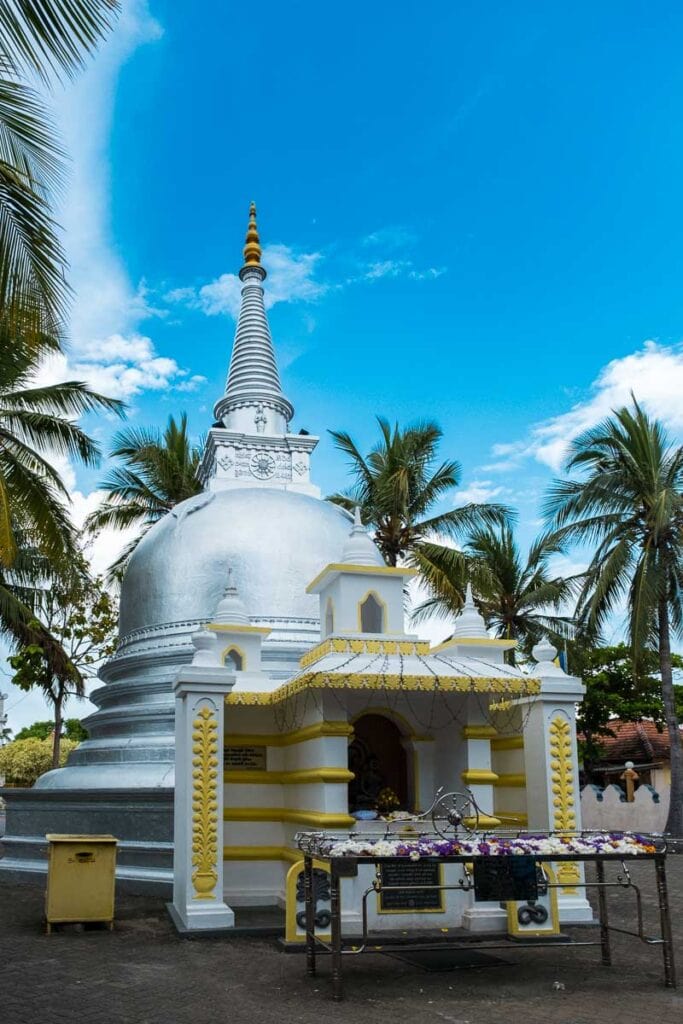

Back in the city, Jaffna markets are worth a visit to experience the region’s food culture and local commerce. The fish market is packed with vendors selling freshly caught fish and seafood, while the fruit and vegetable market overflows with local produce, including many varieties of bananas.
Want to know more about this less-touristed region? Grab my full guide to visiting Sri Lanka’s Northern Province and things to do in Jaffna. ⫸
9. Visit a Tea Plantation in the Hill Country
Walk through lush tea fields in Nuwara Eliya or Ella and see how Ceylon tea is made from leaf to cup.
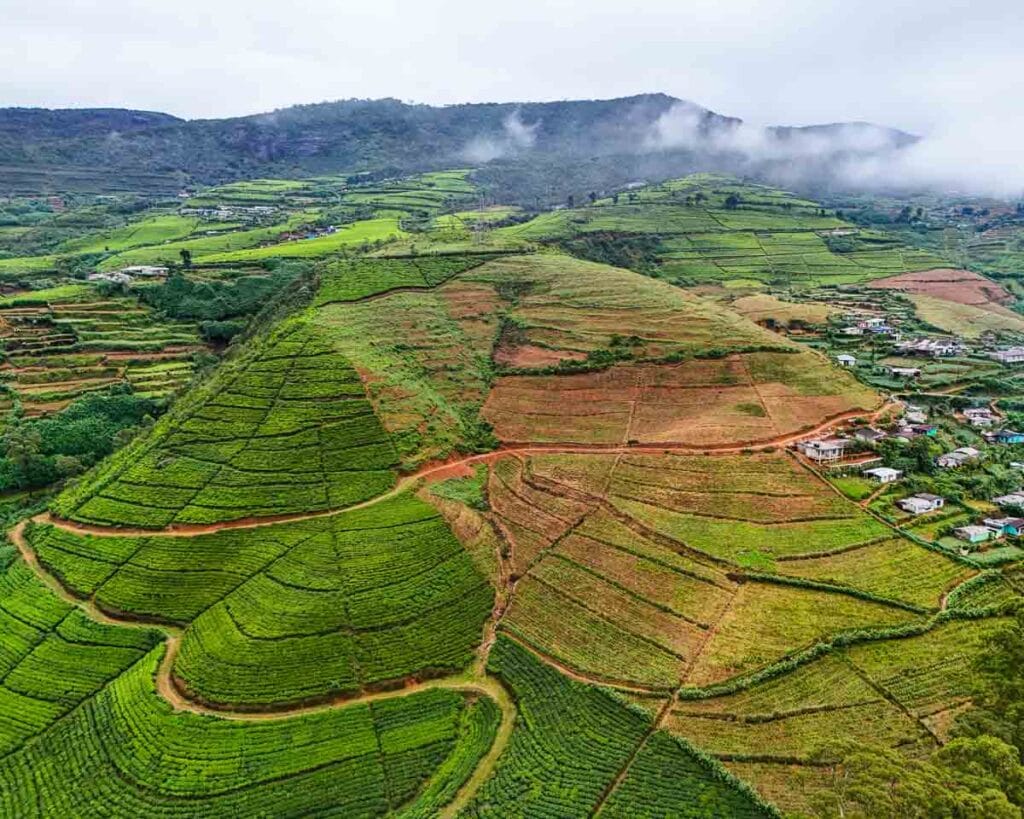
Sri Lanka is one of the world’s top tea producers, and a visit here isn’t complete without exploring a working tea plantation. Rolling green hills and mist-covered estates make this one of the most scenic experiences in the country.
Tea was first introduced to Sri Lanka by the British in the mid-19th century. Since then, Ceylon tea has become world-famous, with estates producing black, green, silver and white tea for export worldwide.
The best way to experience it? Walk through the tea fields, try your hand at the tea-picking process, and tour a factory to see how the leaves are withered and dried. Of course, you’ll need to visit the estate cafe to try a cup, too!
Best Places to Visit a Tea Plantation
- Nuwara Eliya: This is the heart of Sri Lanka’s tea industry and the part of the country with the coolest climate. I visited Glenloch Tea Estate here and got to see how their teas are made — including trying my hand at harvesting!
- Ella: A smaller tea-growing region with stunning hikes, including Lipton’s Seat, where Sir Thomas Lipton used to survey his plantations. Halpewatte Tea Factory here offers tours and tastings.
- Hatton: A quieter, more scenic alternative, with high-end estates like Ceylon Tea Trails, where you can stay in a colonial-era planter’s bungalow.
10. Hike Up Little Adam’s Peak for Sunrise
A short but rewarding hike in Ella with panoramic sunrise views over tea-covered hills.

Little Adam’s Peak is one of the easiest and most rewarding hikes in Ella, offering panoramic views of Sri Lanka’s hill country without the strenuous climb of its namesake, Adam’s Peak. At 1,141 meters, it’s a manageable 45-60 minute walk to the top, making it perfect for an early morning hike.
The trail passes through lush tea plantations before a short but steep final ascent to the summit. At the top, you’ll be rewarded with sweeping views of Ella Rock, the surrounding mountains, and the valley below, with morning mist rolling over the hills. Arriving early means cooler temperatures, softer light for photos, and fewer people.
After the hike, grab breakfast at one of Ella’s cafes, or continue exploring with a visit to the Nine Arches Bridge, just a short tuk-tuk ride away.
11. Pose for Photos at Nine Arches Bridge in Ella
Watch a train pass over this scenic colonial-era railway bridge, one of Sri Lanka’s most iconic photo spots.
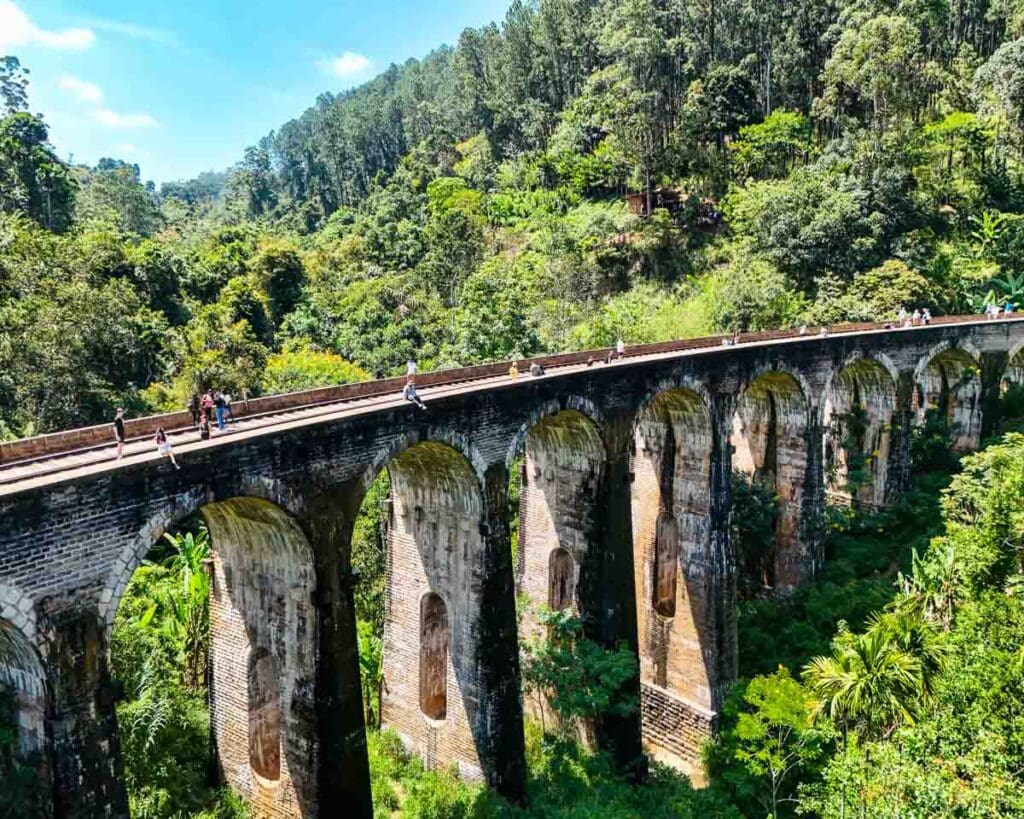
Nine Arches Bridge is one of Sri Lanka’s most photographed landmarks. Built in 1921, the bridge’s arches stretch across a lush valley, creating a popular backdrop for photos.
Instead of squeezing onto the crowded Kandy to Ella train, many travelers choose to walk to the bridge and pose for photos on the track – just be sure to clear the track when you hear the train! When I visited, the train actually stopped so that people could climb up and pose for photos hanging off the side.
There is also a shaded king coconut stand here selling drinks and ice cream while you wait, since the trains are often late.
To get to the bridge, it’s easiest to take a tuk-tuk from Ella down the hill, then walk along the railroad track about 15 minutes to the bridge. To time your visit, check the Sri Lanka Railways schedule or ask at your guesthouse for the latest train times.
12. Hike and Camp in the Knuckles Mountain Range
Trek through misty peaks, hidden waterfalls, and remote villages before camping under the stars.
For those craving untouched wilderness, the Knuckles Mountain Range delivers! In Sinhalese it’s known as Dumbara Kanduvetiya, meaning Mist-laden Mountain Range, while the English name comes from British who thought its tall peaks resembled the knuckles of a closed hand. This remote region is a UNESCO-listed biodiversity hotspot, packed with forests, waterfalls, and hidden trails.
Trails range from half-day hikes to multi-day treks with camping. One of the best viewpoints is Mini World’s End, a sheer drop offering valley views. Multi-day hikes include camping under the stars, with guides leading the way to hidden waterfalls and sunrise summits.
The best time to visit this region is from December to April for clear skies and dry trails. Be sure to hire a guide, since the trails can be remote and unmarked, but local guides will know the routes.
13. Explore Sri Lanka’s Colonial Past at Galle Fort
Stroll through cobblestone streets, shop at boutiques, and watch the sunset from the 17th-century Dutch ramparts.

Built by the Portuguese in 1588 and later expanded by the Dutch, Galle Fort is one of the best-preserved colonial sites in Asia. This former fortress is now a bustling town, where centuries-old architecture now houses cafes, boutiques, and guesthouses.
Walking its stone ramparts, you’ll pass Dutch churches, colonial mansions, and the iconic Galle Lighthouse, all set against the Indian Ocean.
The best way to explore is on foot. Wander down Pedlar Street, stopping for fresh seafood or a scoop of locally-made gelato. Visit the Dutch Reformed Church or step into the Galle Fort Maritime Museum for a look at the port’s seafaring history.
14. See Sunset and Stilt Fishermen in Galle
Watch the iconic stilt fishermen balancing over the waves as the sun sets along the southern coast.
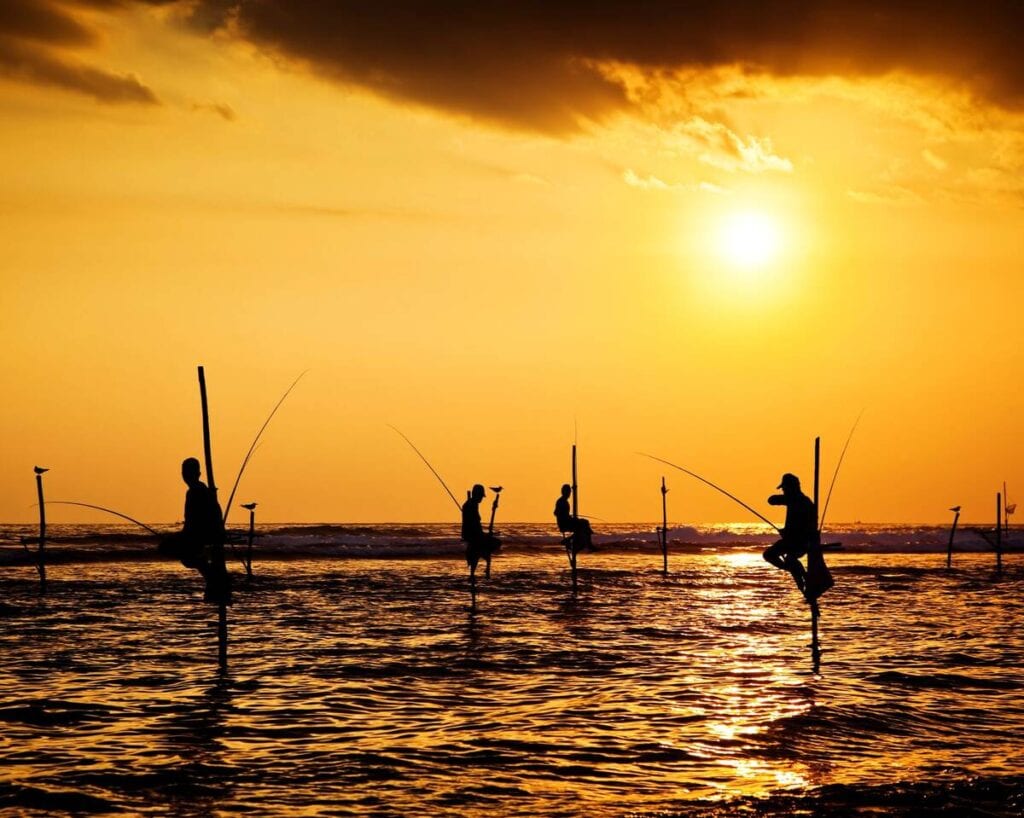
Along the southern coast, stilt fishermen perch on wooden poles above the waves, casting their lines just as their ancestors did generations ago.
Once a way to fish without disturbing the water, today it’s more of a symbolic tradition, with many fishermen posing for photos rather than making a serious catch. The best places to see them are near Koggala, Ahangama, and Dalawella, just a short tuk-tuk ride from Galle.
Sunset is the best time to visit, when the silhouettes of fishermen balancing on stilts create iconic Instagram scenes. Some might let you climb up and try it yourself (or a small fee).
Even if you don’t get on a stilt, a small tip should be offered for taking photos.
15. Learn to Surf on the Southern Coast
Take a surf lesson in the best beginner-friendly surf spots in Sri Lanka.

Sri Lanka’s southern coast is one of the best places to learn to surf, with warm water, sandy-bottom breaks, and year-round waves. The best time to surf here is November to April, when the west coast is calm and the swells are consistent.
For beginners, Weligama is the best place to start. The wide bay offers gentle waves and plenty of surf schools, where instructors will have you standing up on a board within a lesson or two.
For those ready to move beyond whitewater waves, Hiriketiya is a scenic horseshoe-shaped bay with a punchier break. More advanced surfers should check out Midigama or Ahangama where faster, more challenging waves roll in.
If you’re visiting during Sri Lanka’s off-season, Arugam Bay is the country’s surf capital from May to September. Note that it is more suitable for intermediate and advanced surfers.
16. Swing from the Rope at Dalawella Beach
Take the famous palm tree rope swing at Dalawella Beach for an epic seaside photo.
A palm tree rope swing at sunset, with golden light reflecting off the waves has become one of Sri Lanka’s most famous Instagram shots! Located on Dalawella Beach, just outside Unawatuna, the swing hangs from a curved coconut tree in front of Dream Cabana guesthouse. For a small fee, you can take a turn while someone snaps your own Insta-worthy shot
Beyond the swing, Dalawella Beach is a great spot to swim, sunbathe, or grab a fresh seafood meal at a beachside café. The water here is calm thanks to an offshore reef, making it one of the best beaches in the area for a relaxing dip.
17. Go on Safari in Yala National Park
Spot elephants, leopards, and crocodiles in one of Sri Lanka’s top wildlife reserves.
Sri Lanka is one of the best places in Asia to see wild elephants, leopards, and crocodiles, and a safari in offers a bucket-list chance to spot them in their natural habitat.
Yala National Park is the most famous, known for having one of the highest leopard densities in the world. Along with leopards, Yala is home to sloth bears, elephants, deer, and many bird species.
The best time to visit is February to June, when the dry season brings animals out to waterholes, making sightings more likely. The park is closed for a month (usually September) for conservation, so check ahead before planning a trip.
18. Visit Mirissa for Coconut Tree Hill and Whale Watching
Snap photos at the Insta-famous Coconut Tree Hill and set off on a boat tour to see blue whales.
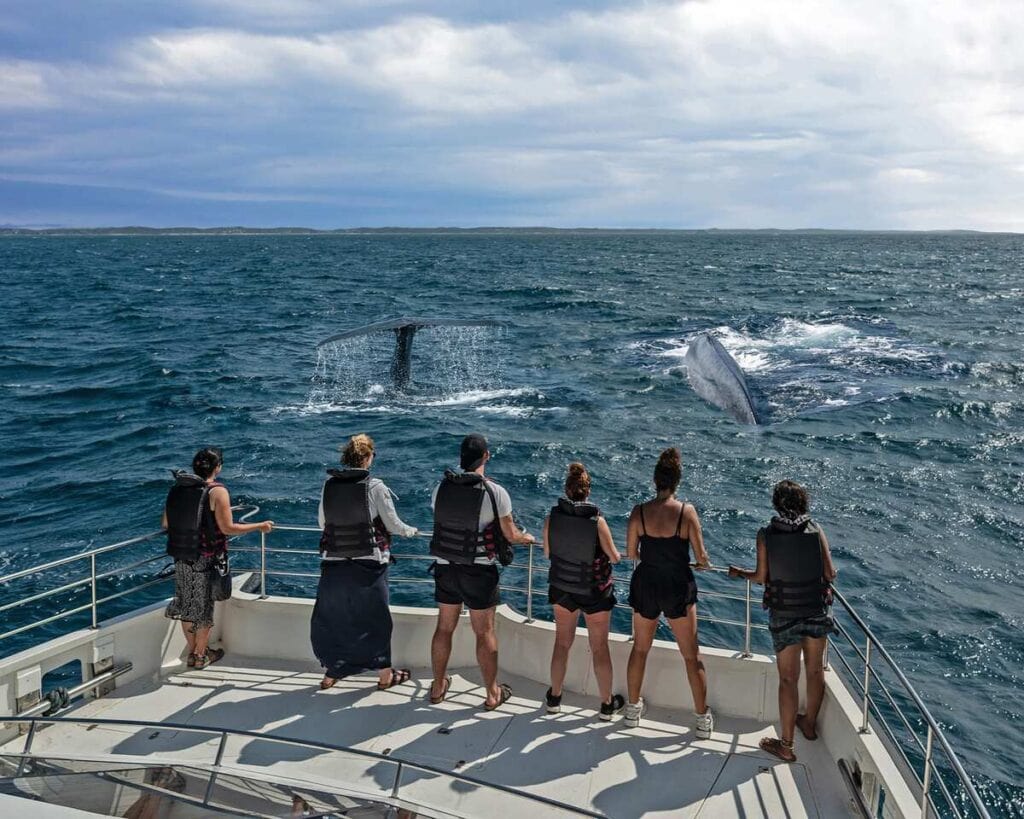
Mirissa is one of Sri Lanka’s most famous beach towns, known for two things in particular: whale watching and the Instagram-famous Coconut Tree Hill.
From November to April, Mirissa is one of the best places in the world to see blue whales, along with sperm whales and pods of dolphins. Morning boat tours head out into the Indian Ocean, where, if you’re lucky, you’ll spot the largest animal on Earth surfacing just a few meters away. The best time to go is early morning when the sea is calmer and sightings are most frequent.
Back on land, Coconut Tree Hill is a popular photo spot because of its perfectly lined palm trees overlooking the ocean. It’s just a short walk from Mirissa Beach, and while it’s no secret anymore, arriving early morning or late afternoon means fewer people and better lighting for photos.
19. Feast on Sri Lankan Cuisine
Try spicy curries, crispy hoppers, and fresh seafood at local restaurants and street food stalls.
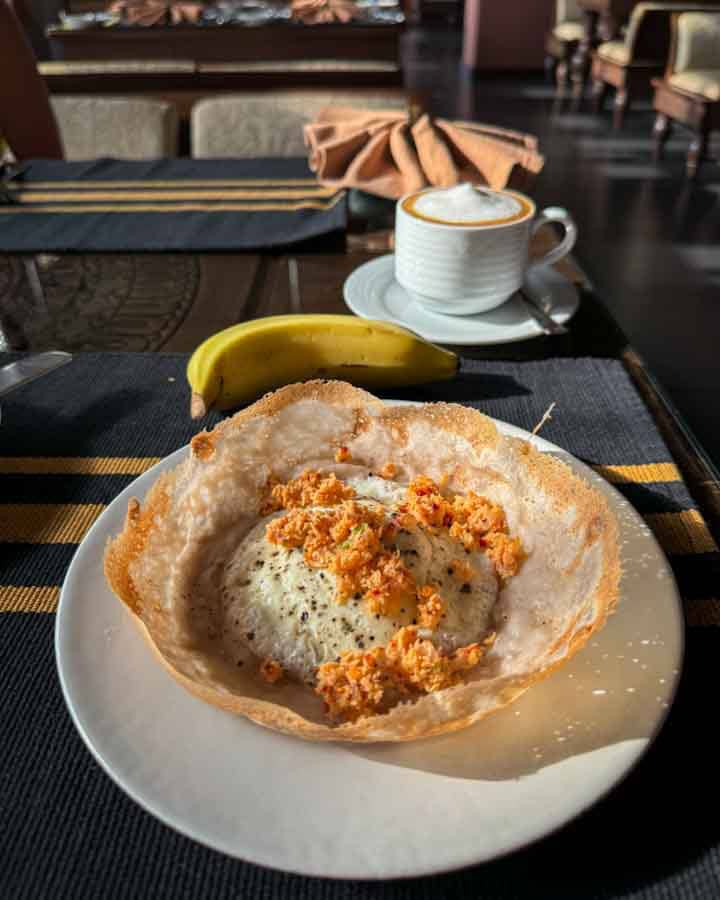
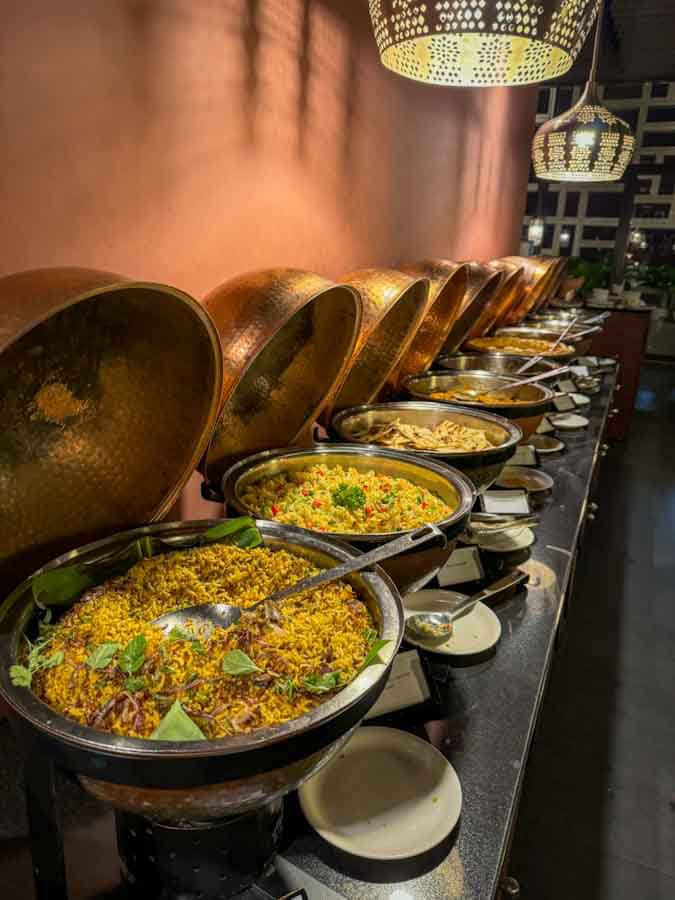
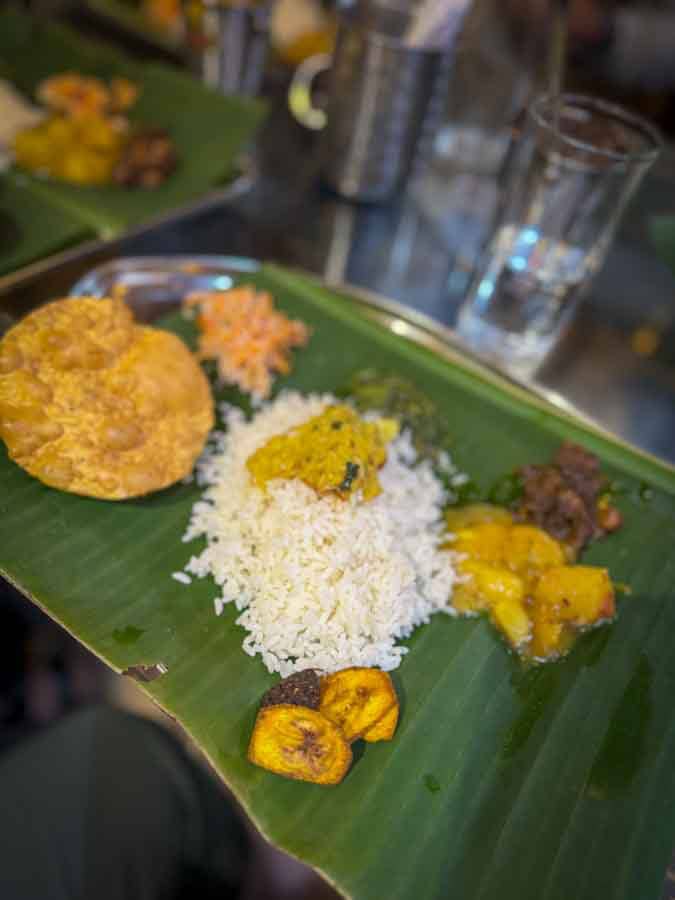
Sri Lanka’s food is spicy, fragrant, and packed with flavor. Meals here have layered spices, fresh coconut, and tropical ingredients that change with each region.
The country’s staple is rice and curry, a spread of rice with an assortment of vegetable, meat, or seafood curries, sambols, and crispy papadum. Expect flavors ranging from creamy coconut milk to fiery chili.
Another must-try is hoppers, a crispy bowl-shaped pancake with a soft center, often served with a fried egg and spicy onion relish. All of the hotels where I stayed offered these for breakfast! Kottu roti, Sri Lanka’s answer to street food, is a mix of chopped roti, vegetables, eggs, and curry sauce tossed on a hot griddle.
Seafood lovers should head to the coast, where fresh prawns, crabs, and fish are grilled or cooked in coconut-rich curries. Sri Lanka is famous for crab curry, especially in Negombo or Jaffna.
20. Join a Yoga or Wellness Retreat
Unwind with a beachfront yoga retreat or a wellness getaway in the hill country.
Sri Lanka’s lush landscapes and laid-back coastal towns make it an ideal place to unplug and reset. Whether you’re looking for daily yoga, meditation, or Ayurvedic treatments, the island has a variety of wellness retreats.
For a beachfront escape, head to Arugam Bay or Talalla, where retreats offer sunrise yoga sessions overlooking the waves. Many pair daily classes with surfing, breathwork, or detox programs, making it easy to balance movement with relaxation.
If you prefer the cooler hill country, Ella and Kandy have retreats set in the mountains, often with organic food and forest meditation walks. Some places incorporate traditional Ayurveda, with herbal treatments and massages designed to rebalance the body.
21. Visit Geoffrey Bawa’s Iconic Architectural Sites
Tour the legendary architect’s masterpieces, from Lunuganga Estate to Colombo’s Parliament House.
Considered Sri Lanka’s most influential architect, Geoffrey Bawa pioneered “Tropical Modernism,” a style that seamlessly blends open spaces, natural light, and the surrounding environment. His work can be seen across Sri Lanka, from grand hotels to private estates, each reflecting his signature mix of minimalism, nature, and colonial influences.
One of the best places to experience his vision is Lunuganga, Bawa’s former country estate near Bentota. Once an abandoned rubber plantation, he transformed it into a lakeside garden retreat, with Italian-style pavilions, open courtyards, and breathtaking jungle views. Visitors can tour the estate or even stay overnight in one of its beautifully preserved rooms.
In Colombo, Paradise Road Gallery Café, once Bawa’s personal office, is now a stylish restaurant where you can dine surrounded by his signature architecture. Another must-see is the Sri Lankan Parliament Building, set on an island in Diyawanna Lake, designed with clean lines and wide-open corridors to reflect both power and simplicity.
22. Trek Through Sinharaja Rainforest
Hike through Sri Lanka’s last primary rainforest to see exotic birds, waterfalls, and rare wildlife.
As Sri Lanka’s last remaining primary rainforest, this UNESCO-listed biosphere is home to rare species found nowhere else, including the Sri Lanka blue magpie, purple-faced langur, and green pit viper.
Trekking here ranges from short nature walks to full-day hikes, with trails leading through dense forest, hidden waterfalls, and canopy walkways. The jungle is alive with movement—if you’re lucky, you might spot a giant squirrel leaping between branches or a snake silently coiled on a tree limb.
The best time to visit this region is December to April and August to September when trails are drier, but the rainforest is humid year-round. To visit, you must hire a guide – trekking without one isn’t allowed – but local guides are great at spotting hidden wildlife.
23. Shop at a Local Market for Fresh Produce and Spices
Browse colorful markets like Pettah in Colombo or the Kandy Central Market for tropical fruits and aromatic spices.
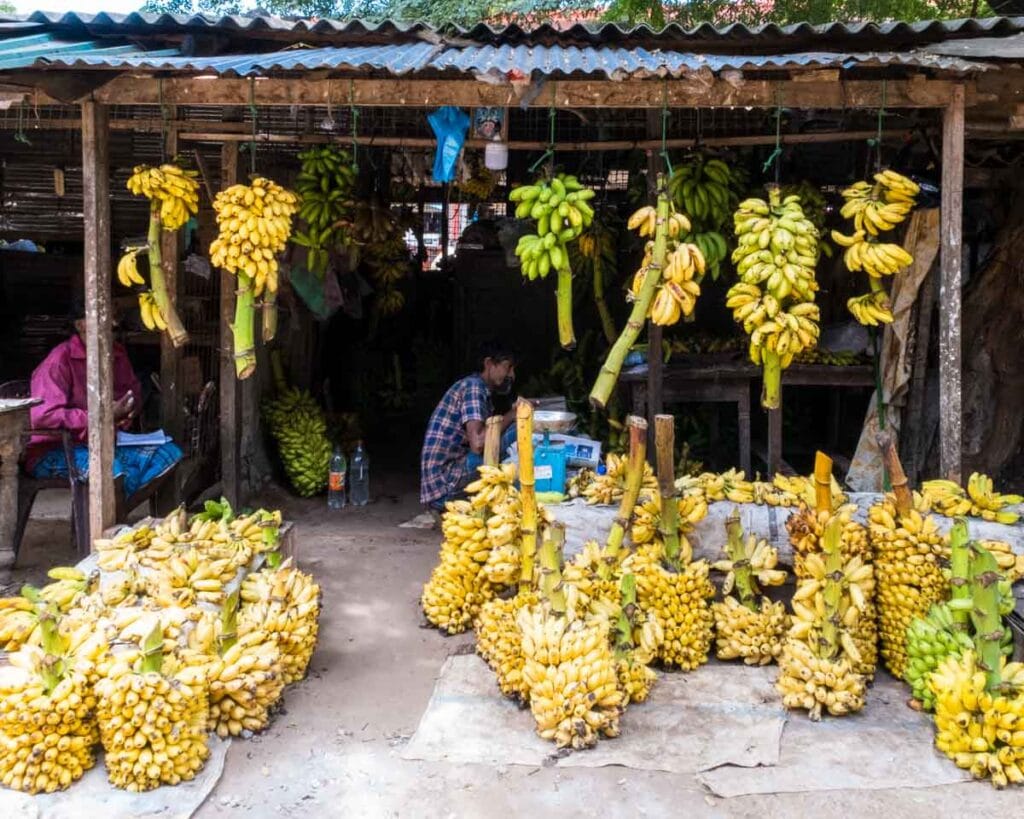
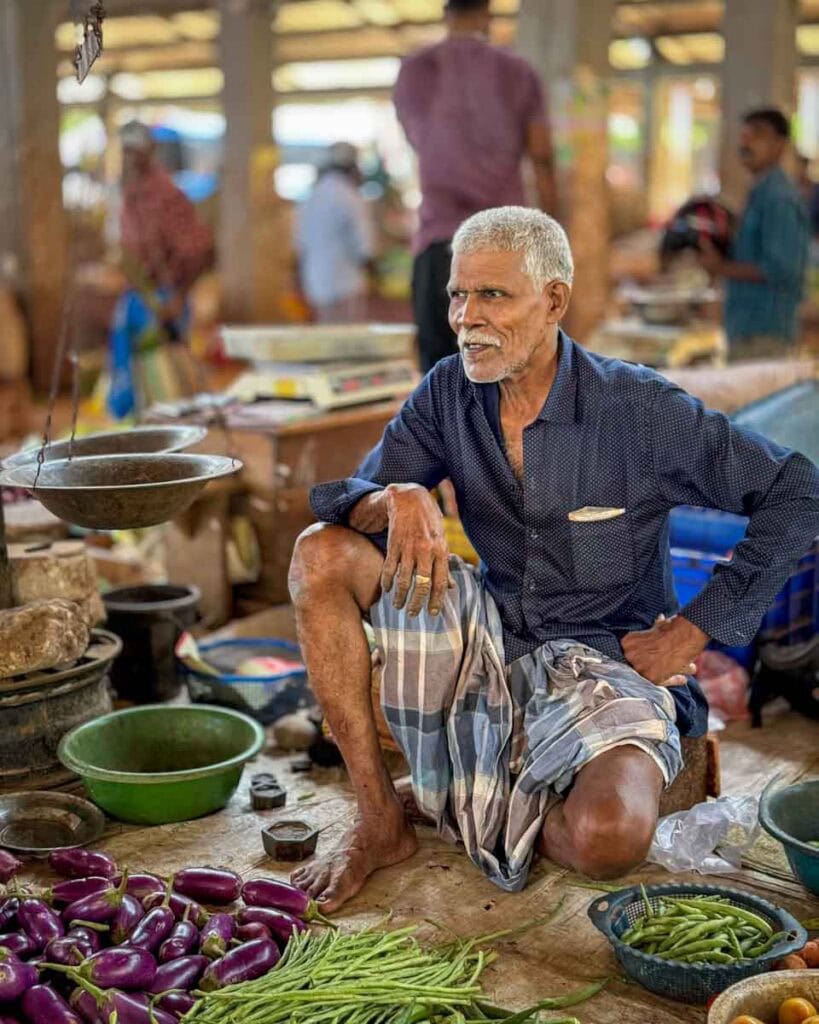
Sri Lanka’s markets are a feast for the senses: piles of ripe mangoes, the sharp scent of dried chilies, and vendors calling out their daily specials. Whether you’re after the island’s famous Ceylon cinnamon, fragrant curry powders, or tropical fruits, a trip to a local market is the best way to see what’s in season and how locals shop.
In Colombo, head to Pettah Market, a chaotic mix of spice stalls, fresh produce, and vendors selling everything from saris to household goods. The Kandy Central Market offers fresh fruit, vegetables, and neatly packed spice blends, perfect for taking home.
In Jaffna, the markets are a great place to try regional specialties like Jaffna mangoes and some of Sri Lanka’s 29 varieties of bananas.
24. Bird-Watch in Bundala National Park
Spot flamingos, pelicans, and over 200 bird species in this coastal wetland sanctuary.
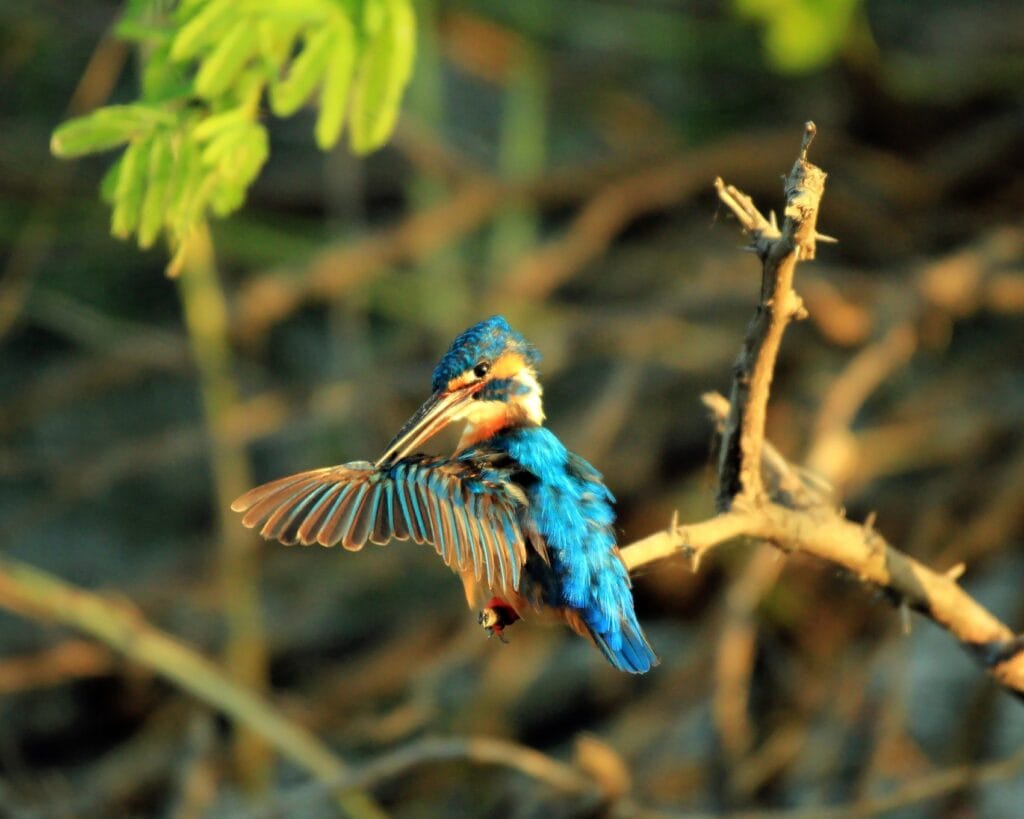
While most visitors flock to Yala for leopards, Bundala National Park is a less-visited option for birdwatchers and wildlife lovers. A mix of lagoons, salt flats, and scrub forests, this UNESCO biosphere reserve is home to over 200 bird species, including flamingos, painted storks, egrets, and Sri Lanka’s rare black-necked stork.
The best way to explore is by jeep safari, with early morning being the prime time for sightings. Unlike Yala, Bundala is quiet and uncrowded, making it easier to enjoy the sounds of nature without a convoy of vehicles.
Beyond birds, keep an eye out for crocodiles sunbathing on the lagoon banks, elephants wandering through the trees, and even sea turtles nesting along the park’s coastline.
The best time to visit here is November to March for peak migration season, with large flocks of flamingos. Bundala is close to both Yala and Udawalawe Nationak Parks, making it an easy addition to a wildlife itinerary.
25. Snorkel or Dive at Pigeon Island National Park
Swim alongside reef sharks and coral reefs off the coast of Trincomalee.
Just off the coast of Nilaveli, near Trincomalee, Pigeon Island National Park is one of the best places in Sri Lanka for snorkeling and diving. The island is surrounded by vibrant coral reefs, where you can swim alongside reef sharks, sea turtles, and schools of tropical fish.
The shallow reefs make it perfect for snorkelers, while divers can explore deeper sections teeming with marine life.
The island itself is small, with white sandy beaches and crystal-clear water, but its real beauty lies beneath the surface. Since this is a protected marine park, visitor numbers are limited to help preserve the fragile coral ecosystem.
The best time to visit is April to October, when the east coast has calm seas and good visibility.
Ready to Make Your Own Sri Lanka Bucket List?
Sri Lanka is the kind of place that remains with you long after you leave. For me, it’s memories of getting stuck in traffic because of an elephant crossing the road, the cool green hills of tea plantations, and standing on top of a rock fortress with nothing but jungle stretching out below.
Whatever it is, this island has a way of pulling you in and these experiences are just the start. The best way to see Sri Lanka? Plan a trip for your must-see sights, and know that you’ll want to return again to check off even more!
