
Last Updated on September 25, 2023
Mexico Travel Destinations & Guides
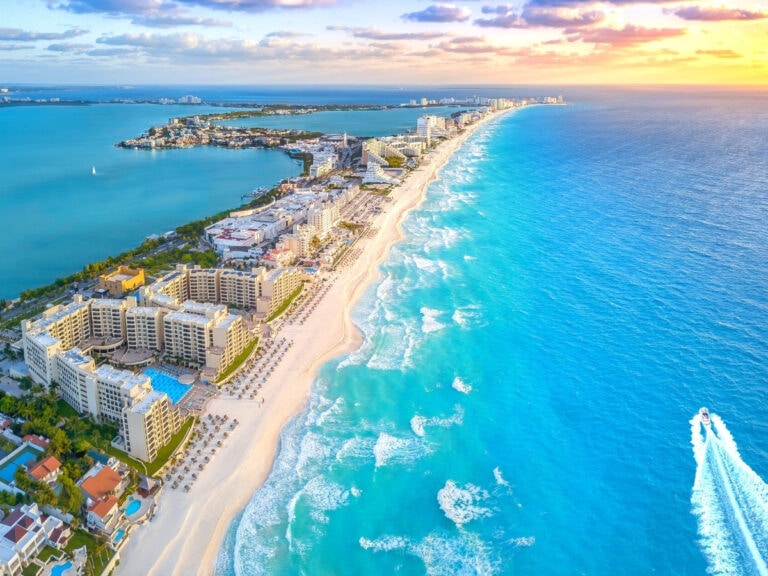
Mexico is a country rich with history, indigenous cultures, and stunning landscapes. But when planning vacations in Mexico, many might only think of its popular beach destinations like Cancun, Cabo or Tulum. I encourage adventurous travelers to get off the beaten path and explore all that Mexico has to offer! With many cities in Mexico just a quick flight away from the U.S. and Canada, it’s a perfect destination for extended weekend trips and longer explorations.
Mexico is one of my favorite destinations. Read on for general Mexico travel tips and to browse all of my Mexico guides at the end!
I independently evaluate all of my recommendations. I might receive compensation for any links you click on my site. Learn more.
Top Mexico Destinations & Adventures
Need travel inspo? These are some of my top recommendations for adventures in Mexico.
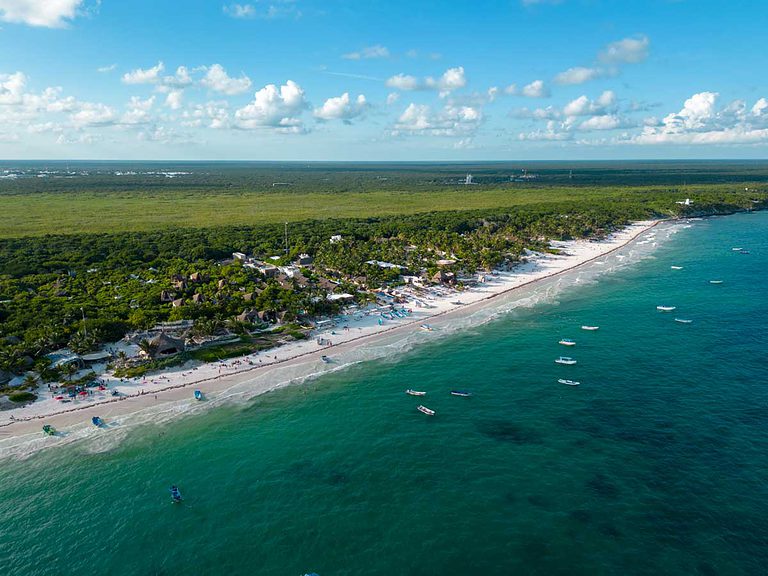
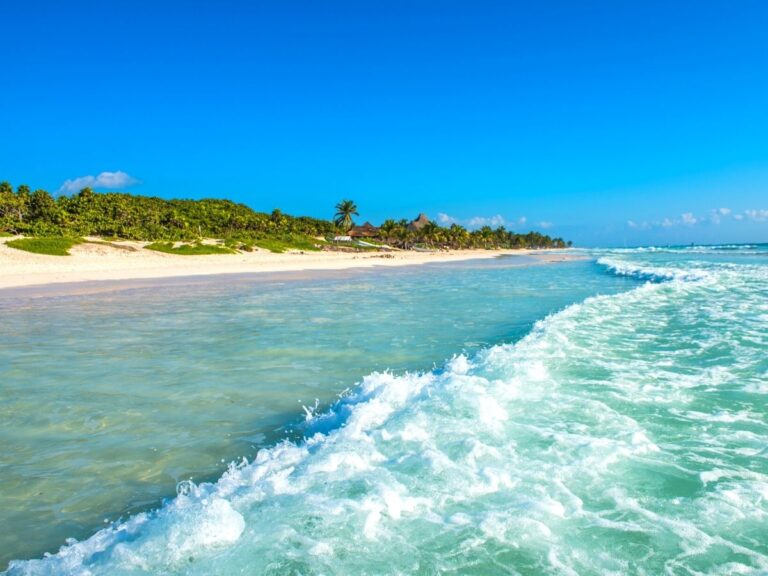
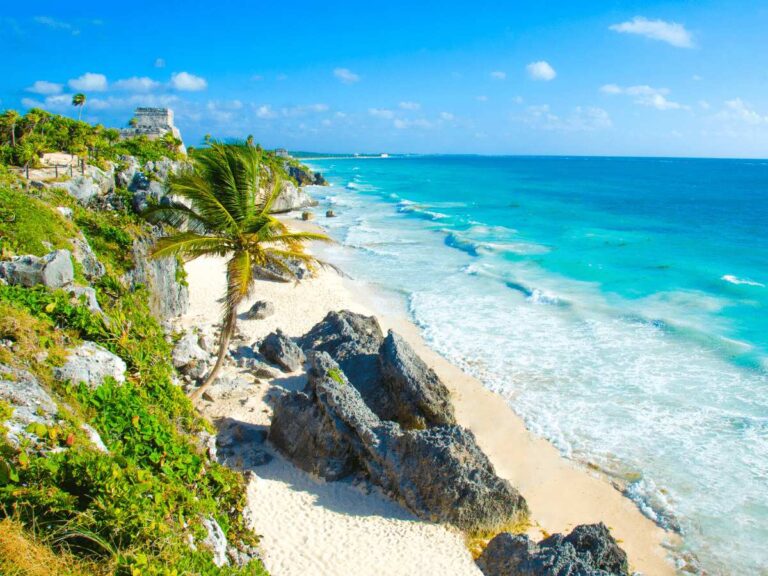
- Visit the beaches of Tulum
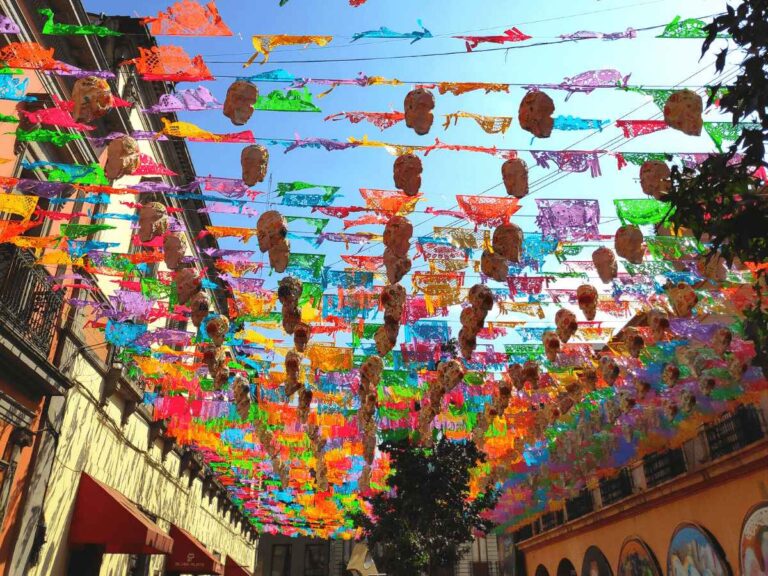
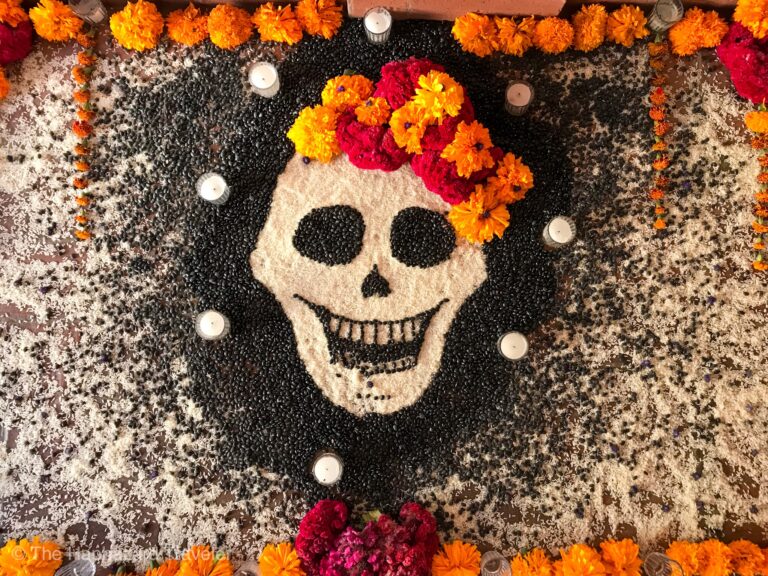
- Experience Day of the Dead in Oaxaca City or Guanajuato
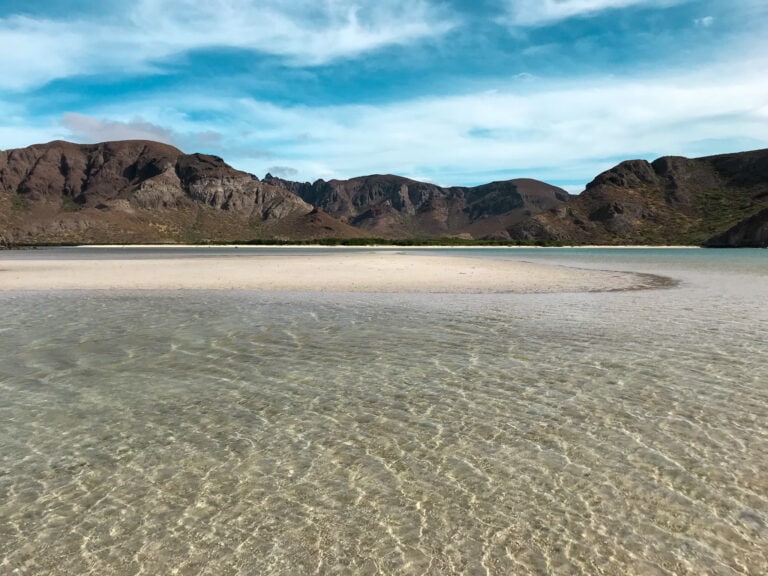
- Swim with whale sharks and sea lions in La Paz
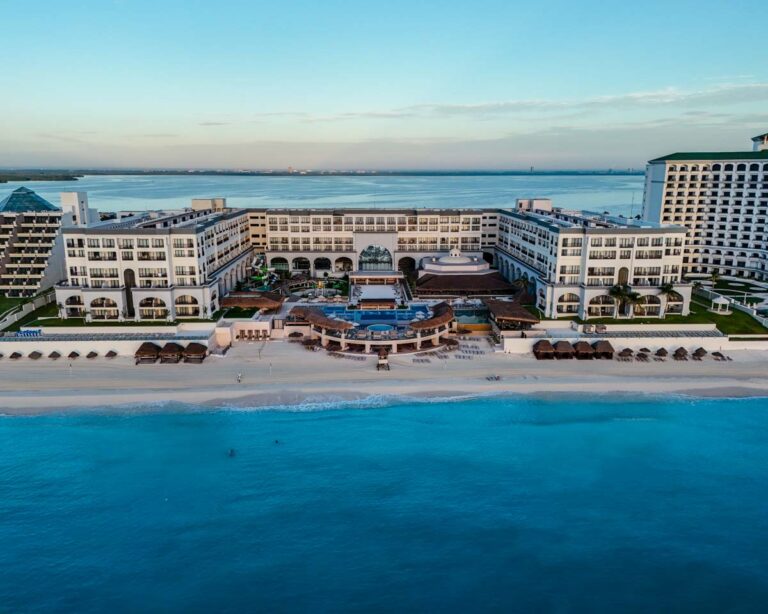
- Stay in one of the Caribbean’s only overwater bungalows in Cancun
- Immerse yourself in museums, art, and culture in Mexico City
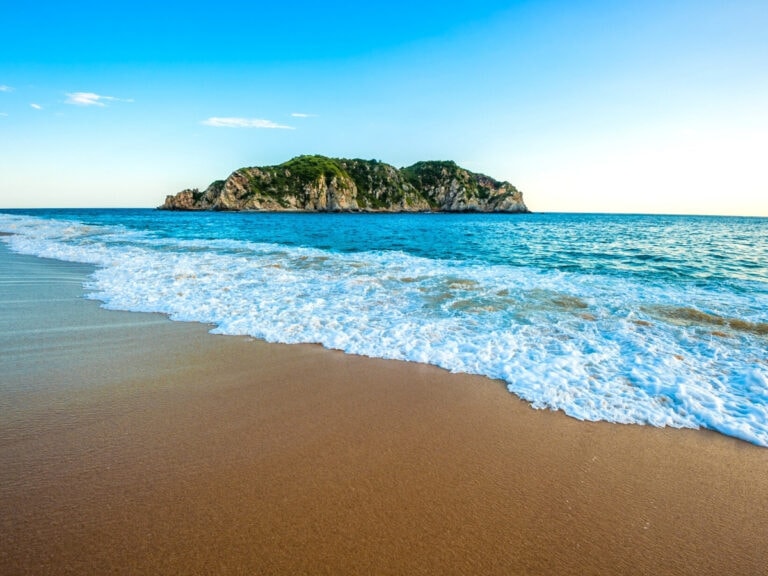
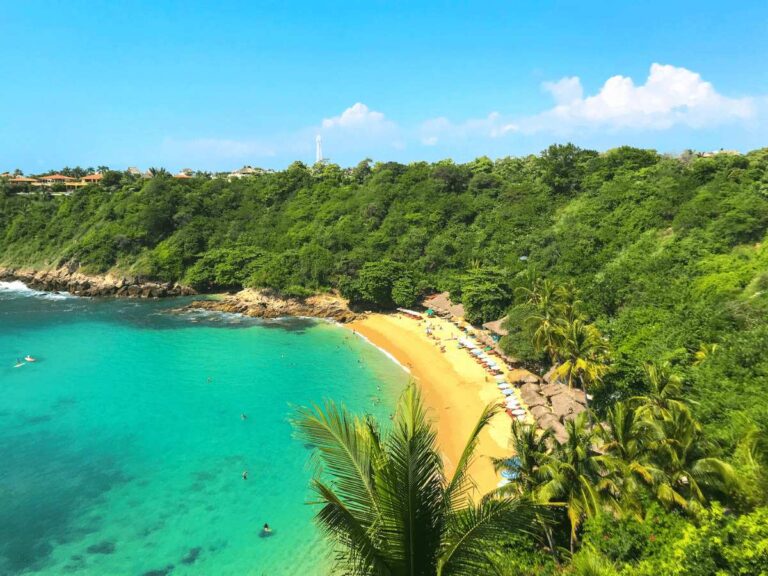
- Discover Mexico’s Pacific Coast with the best beaches of Oaxaca state
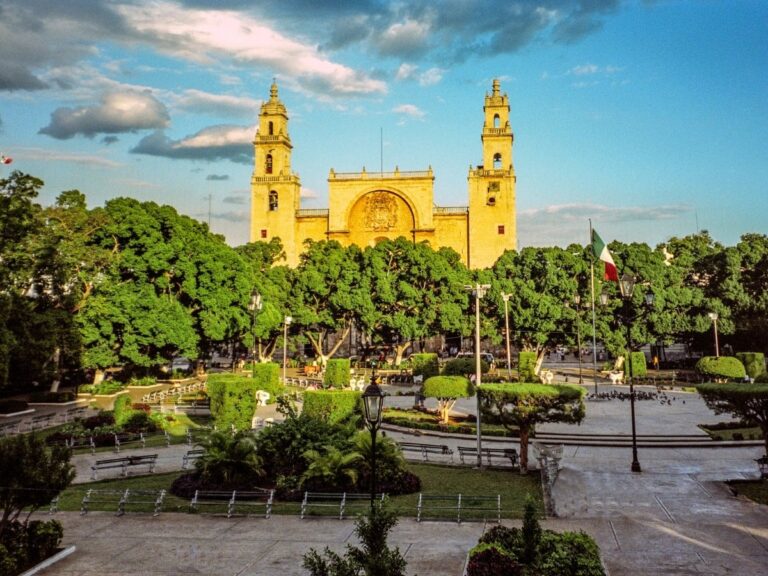
- Explore Mexico’s rich culture and history in Merida
- Think pink with flamingos and rose-hued lakes in Rio Lagartos & Las Coloradas
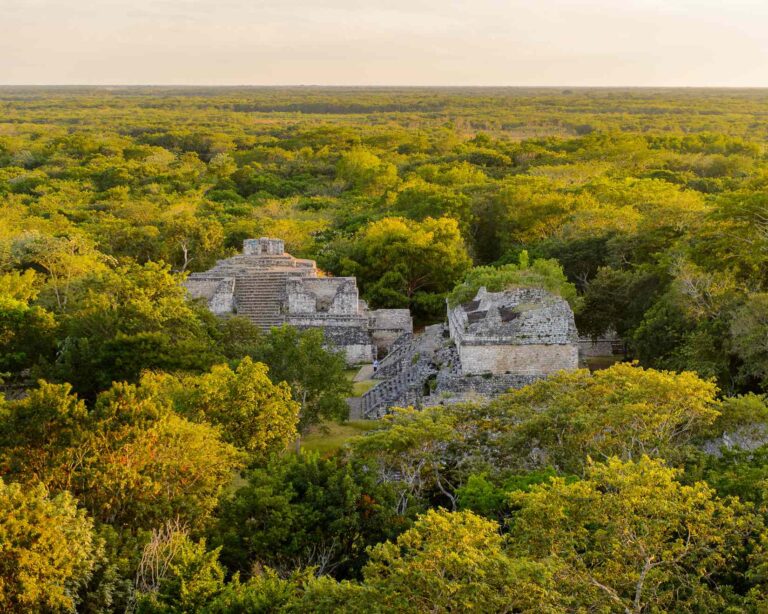
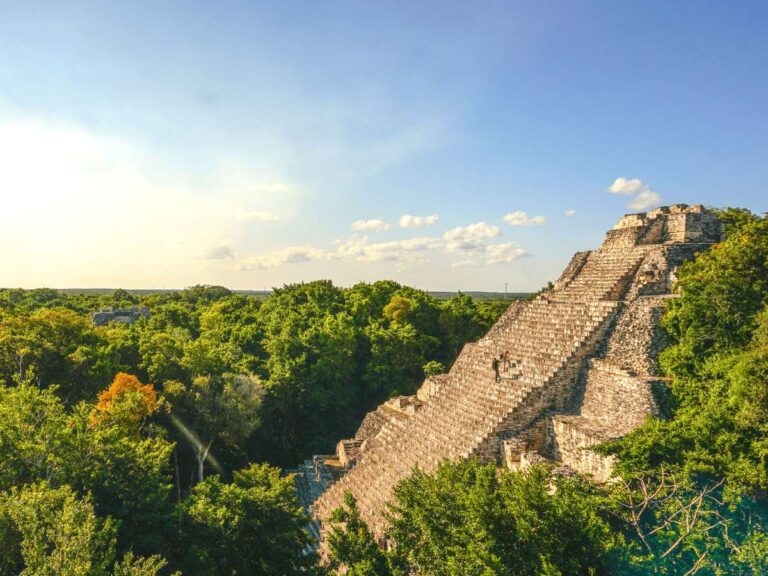
- Step back in time with Mexico’s best Mayan, Aztec and Zapotec ruins and Mayan ruins near Cancun
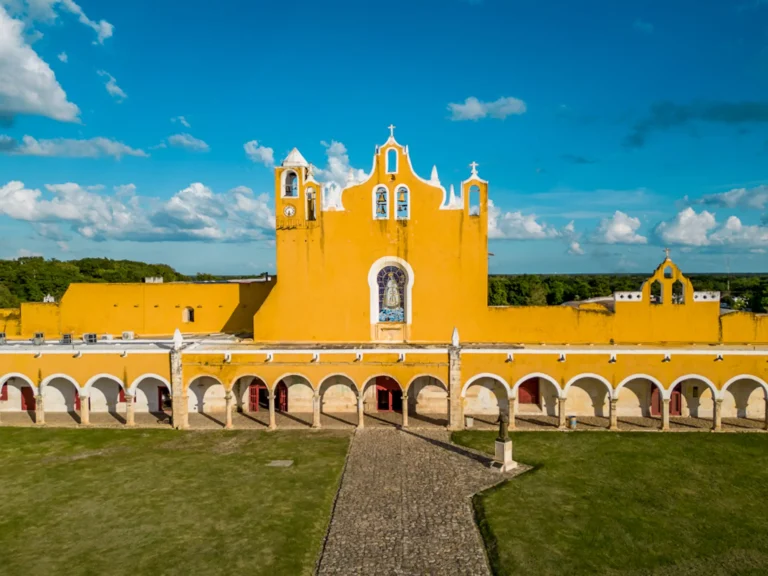
- Get off the beaten path in Valladolid
- Escape in effortless luxury with the best all-inclusive adults-only Mexico resorts, Cancun resorts, Riviera Maya resorts, Cabo resorts, and Puerto Vallarta resorts
If you see this after your page is loaded completely, leafletJS files are missing.
Browse Mexico travel tips by region


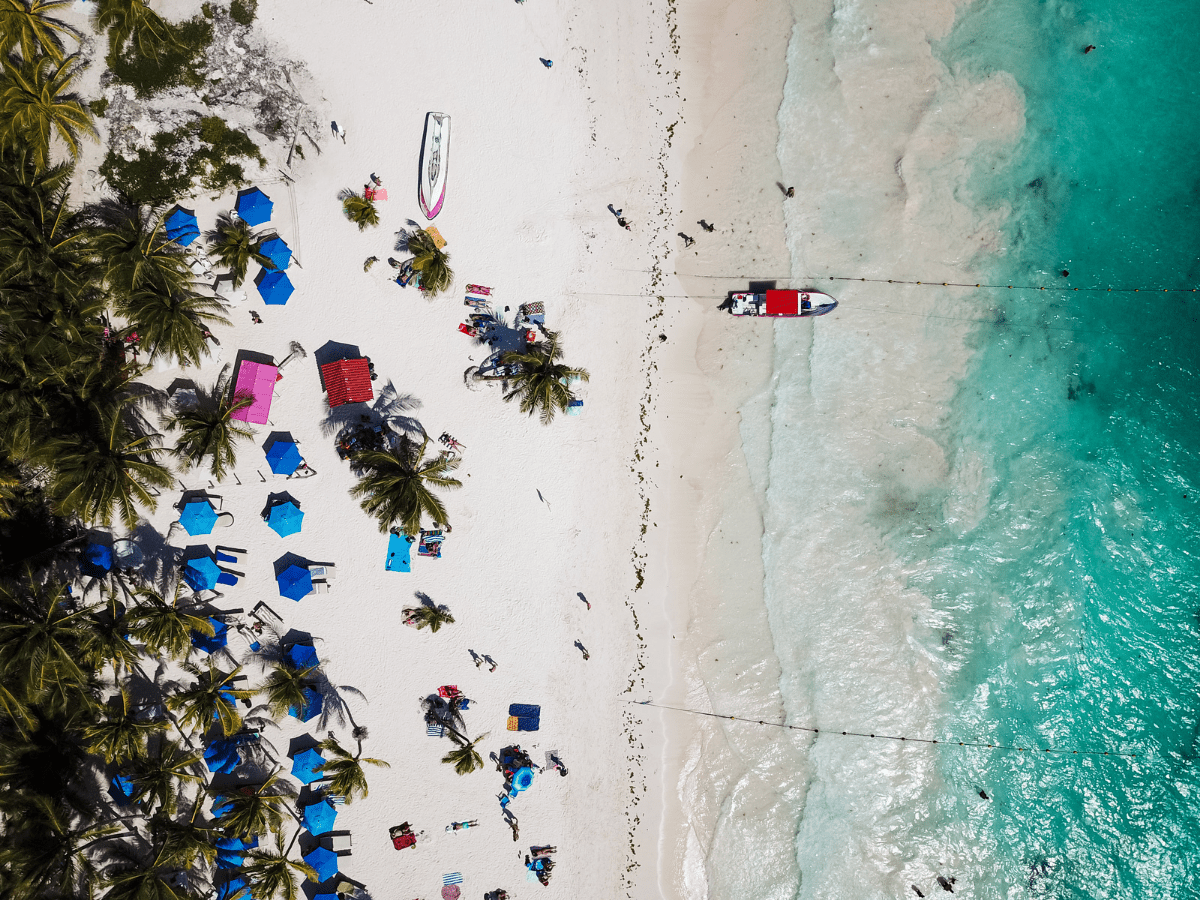
Mexico Travel Basics
Currency
The local currency is the Mexican Peso (MXN or MX$). The conversion rate is around 20 MXN to 1 USD. Coins come in in denominations of 20 and 50 centavos (100 centavos makes up 1 peso), and 1 peso, 2 peso, 5 peso, 10 peso, and 20 peso. Bills are issued in denominations of 20 peso, 50 peso, 100 peso, 200 peso, and 500 peso. (Need a currency app for your travels? My favorite is xe.)
Is the Water Safe for Drinking?
As a general rule, avoid drinking tap water in Mexico. Most tourist restaurants use ice made with filtered water, and hotels generally have water dispensers to fill your personal water bottle. (I travel with this bottle that rolls up and has a caribiner clip, or you can buy one with a built-in filter.)
Outside of major tourist zones, stick to bottled beverages and be careful of ordering any uncooked food items like salads. I even use bottled water to brush my teeth, because I don’t want to get sick on vacation, particularly when traveling solo.
Power + Adapter Plugs
The electrical system in Mexico is 110 volts AC (60 cycles), as in the United States and Canada. For Mexico there are two associated plug types, North American plugs types A and B. Plug type A is the plug which has two flat parallel pins and plug type B is the plug which has two flat parallel pins and a grounding pin. Some older outlets can’t accommodate a 3-prong outlet, so you might want to bring an inexpensive adapter.
Mexico Entry Requirements
To enter, you will need a passport valid for at least 6 months after your departure date. Nationals of many countries can enter for tourism without a visa for up to 180 days. You should also start registration for a Mexican Tourist Card online. Upon entry, retain this card with your passport and present it when you leave the country, or risk delays and a fine. (I keep a paperclip in my passport cover to secure cards like this!)
Getting Around
The easiest way to get around Mexico is by public transport. Flights between cities are relatiely inexpensive, and Mexico’s ADO bus system easily connects towns in each region. You can reserve ADO tickets online and pay at the station or an OXXO convenience store, or pre-book online with the app Busbud.
In the Yucatan Peninsula, it’s common to get around locally in colectivos, shared minibuses or vans. In the beach towns of Oaxaca state, you’ll find colectivos as well as pasajeros, trucks with bench seating in the back and a canvas cover. Learn about the new Maya Train coming to the Yucatan Peninsula.
Taxis and Uber
In Mexico, taxis are generally not metered; you simply agree on a price with the driver before you get in. Taxi drivers often do not speak English, so a basic level of Spanish or a card with your hotel’s address are helpful. It is not recommended to hail taxis on the street at night. Uber is available in Mexico City, Merida, San Miguel de Allende, and a few other cities. In small towns, taxis might operate on a shared basis, and the driver will stop to pick up other passengers (try not to panic the first time).
Renting a Car + Driving in Mexico
I have rented a car and driven in tourist areas like Baja California Sur, the Oaxaca coast, and the Yucatan Peninsula. Get my tips here.
Tipping in Mexico
Known as la propina, tipping in Mexico is customary and appreciated in return for good service. Always tip in Mexican pesos. In restaurants, 10-15% of the total bill is expected. In hotels, leave $20MXN to $100MXN (the equivalent of $1-5 USD, depending on hotel class) per day for maid service; I always tip daily for the best service, and because staff schedules rotate. It’s also common to tip 10 pesos for porters, taxi drivers, and gas station attendants. For resort staff and valet parking attendants, 10-20 pesos is a common tip (hang on to your 20 peso bills!). Other situations when you might tip a few pesos: informal “car watchers” at public lots, washroom attendants who hand you toilet paper and keep the facility clean. Tips go directly to local workers; please don’t neglect this relatively small amount but meaningful gesture in your travel budget.
Cash and ATMs
Withdraw money from ATMs or exchange bureaus during daylight hours. It’s best to use ATMs inside banks, airports, shops, or malls rather than on the street. In small towns, ATMs might be broken or out of cash; be sure to get some cash at the airport if you are headed outside of tourist areas. Look for ATMs that are affiliated with national banks, such as Santander, Banamex, Banorte, or Scotiabank. If you have an account with Bank of America, you can avoid the $5 international ATM withdrawal fee and pay only the transaction fee at Scotiabank ATMs. Pro tip: check the foreign conversion fee that your bank charges; it’s usually better than what ATMs charge, so you can decline the ATM’s offer to convert the fee for you, if given that option.
Toilet Paper
In most Mexico hotels and even upscale resorts, the septic system isn’t made to handle toilet paper. Instead, place it in the small trash can next to the toilet, and tip your maid who will empty it daily. 😉 I also always travel with tissue packs in my purse.
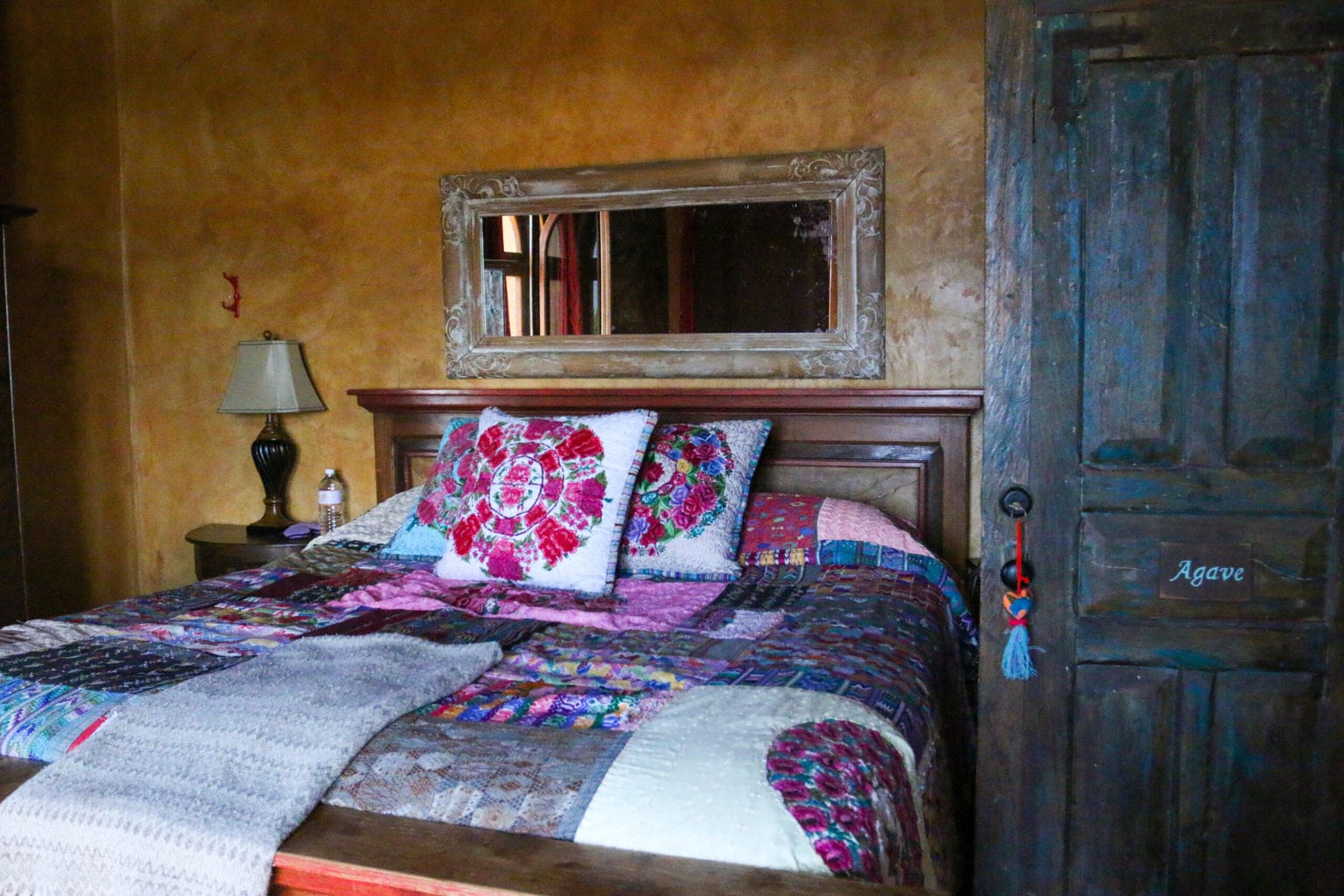
Accommodations in Mexico
I love boutique hotels, and always find lots to choose from in Mexico! Accommodations in Mexico include everything from inexpensive hostels and vacation rentals to mid-range hotels and luxury resorts. To give you an idea of what to budget and expect:
Backpacking + Hostels
In many areas, shared dorm rooms in hostels can be found in the range of 350-500 MX$ ($20-30 US) per person, per night. Private rooms will be around the same or a little more. These hostels generally offer free Wi-Fi, central locations, lounge areas with games, a shared kitchen, and sometimes even a swimming pool, bar, and yoga.
Budget Hotels
Inexpensive hotels are available in most tourist areas for 400-1,000 MX$ per night ($20-50 US). These will be simple rooms with basic amenities, and might not include AC or hot water (which never bothers me in a cabana right on the beach!). Budget hotels generally don’t offer TVs, and WiFi might be only in the lobby. Often breakfast is included included, though, or there is access to a shared kitchen.
Mid-Range Hotels
For mid-range hotels, expect to pay around 1,000-2,000 MX$ per night ($50-100 US). Hotels of this class offer private rooms with free Wi-Fi, a casual hotel restaurant and bar, and outdoor pool. Rooms often have an electronic safe, television, and small balcony or patio.
Boutique & Luxury Hotels and Resorts
Expect to pay 1700 MX$ and up per night for boutique hotels ($100 US) to get a stylish room, pool, onsite restaurant, and a great breakfast included. For five-star hotels, upscale resorts, and restored haciendas, pay around 5,000-20,000 MX$ per night ($250 to $1000 US) for luxury accommodations.
All-inclusive resorts will fall into this range as well, and Mexico is known for having some of the best all-inclusive resorts in the world, including top-rated adults-only all-inclusive resorts. Amenities can include suites with balconies and private hot tubs, spa services, a gym, 24-hour room service, multiple fine dining restaurants, and separate adults-only and family swimming pools.
Recommended Booking Sites
I always book my hotels with Booking.com, because I can manage the reservation and changes (like adding an extra night!) via the app. For vacation rentals, I generally use VRBO for the best deals and inventory.
Scott’s Cheap Flights often shares deals to cities in Mexico from the U.S. Sign up for their free email alerts here or grab one of their paid premium subscriptions.
Where to Stay in Mexico
Most of my travel guides include hotels where I’ve stayed and others I’ve scouted for you, my dear travel friends (confession: yes, I’m a boutique hotel junkie). Some of my in-depth accommodation guides are:
- Best Beach Hotels in Tulum and Best Boutique Tulum Hotels
- Tulum Airbnbs
- Where to Stay in Oaxaca
- Best Overwater Bungalows in Mexico & the Caribbean
- Best Mexico All-Inclusive Adults-Only Resorts, including features on adults-only resorts in Cabo, Cancun, Riviera Maya, and Puerto Vallarta
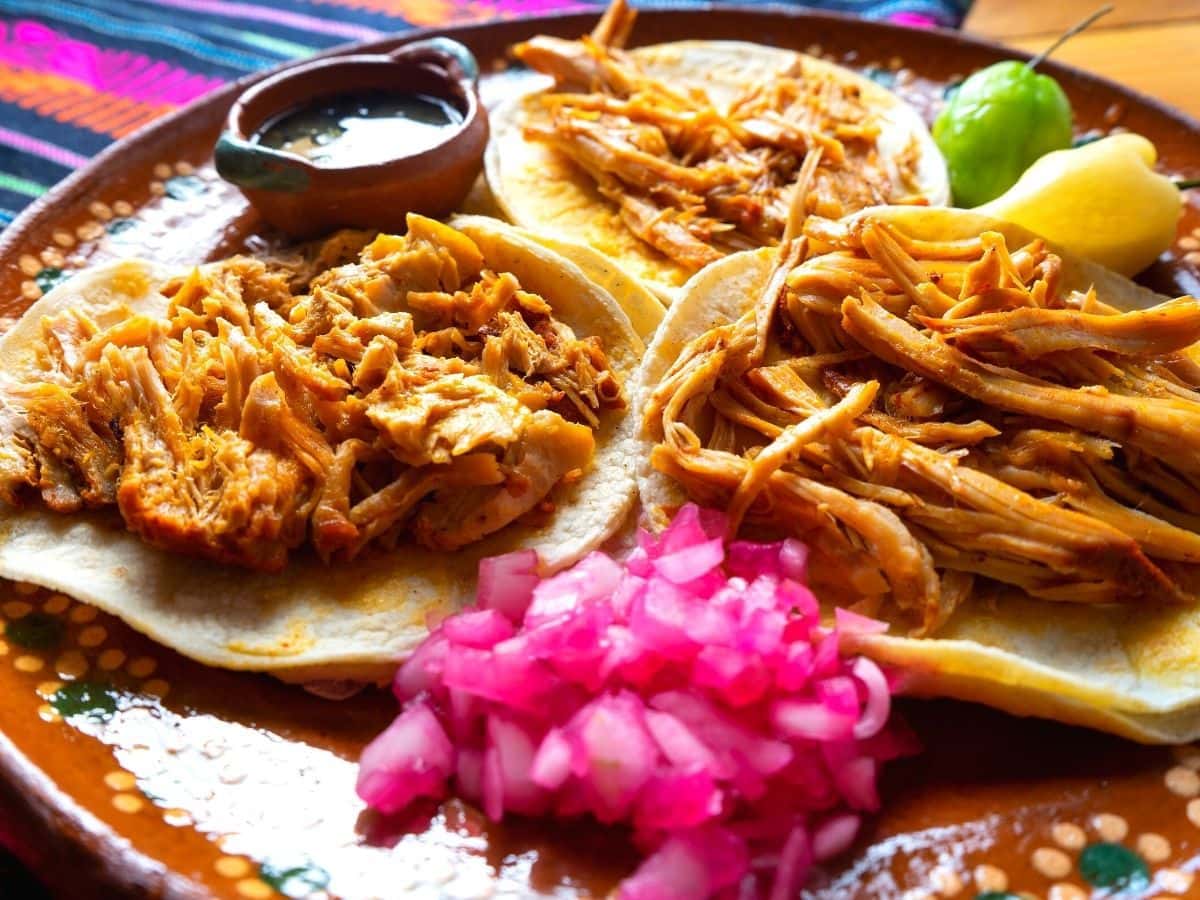
Food in Mexico
Mexico has a fantastic and varied gastronomy scene, including everything from street food to inventive takes on traditional Mexican ingredients and fine dining. Every region in Mexico has traditional dishes that you won’t want to miss. Some of my favorites are:
Oaxaca
Indigenous cooking in Oaxaca includes staples such as chicken and pork and a delicious, buttery mozzarella-like cheese. Oaxacan cuisine is also known for seven mole (sauce) varieties including Negro (black), Amarillo (yellow), Rojo (red), and Verde (green). Chocolate is another major component and frequently hand ground and combined with cinnamon as a drink. Keep an eye out for ancient ingredients such as toasted chapulines (grasshoppers) and huitlacoche (a corn fungus). Be sure to try tlayudas (similar to tostadas), caldo de piedra “stone soup,” huitlacoche tacos, pozole chicken soup, and Oaxacan tamales. And of course, all 7 moles!
Yucatan
Cuisine in the Yucatán peninsula is distinct from the rest of the country and is based on Mayan food with influences from Cuba and other Caribbean islands, Europe, and even Asia and Middle Eastern cultures. One of the main spices, achiote (annatto seed) gives food a reddish color and a slightly peppery smell with a hint of nutmeg. Traditional foods include cochinita pibil (a suckling pig smoked underground), sopa de lima (chicken soup with lime), and papadzules, corn tortillas with pumpkin and tomato sauces.
Mexico City
Mexico City has a booming gastronomy scene. The cooking here has influences from other regions of Mexico as well as international cuisine. Street food is very popular, with taco stands, torta (sandwich) shops, and lunch counters on every street. Mexico City is famous for tacos al pastor, brought to the country by Lebanese immigrants. Mexico City’s haute cuisine is considered some of the world’s best, including the restaurant Pujol, which consistently makes the list of the top 50 restaurants in the world.
Drinks in Mexico
Most of us have met tequila, whether we consider it a friend or foe! But Mexico has many other beverage options, both with and without alcohol. The traditional drink mezcal has exploded onto the craft spirit scene from Oaxaca.
In the Yucatan, you might encounter a traditional Mayan distilled spirit known as pox (pronounced “posh”). Also keep an eye out for micheladas (beer mixed with lime, hot sauce, and tomato juice), Palomas with tequila and grapefruit juice, and even wine from Mexico growers in Baja California.
Non-alcoholic options include horchata, hot chocolate, Mexican Coke and sodas, and aguas frescas (fruit, water, a bit of sugar, and a squeeze of lime). A popular flavor of agua fresca is jamaica, made from hibiscus flowers.
When to Visit Mexico
Mexico is a large country, with varied climates and weather depending on the region. In general, the climate in Mexico is tropical with a rainy and dry season; the rainy months are typically June – October. Hurricane season on both coasts runs from June through November, although they are less common on the Pacific Coast than the Gulf of Mexico and Caribbean.
Temperature differences from season to season are relatively small. Mountainous regions and any area above sea level are cooler, such as Mexico City which has pleasant summers and mild winters.
Resort and tourist areas of Mexico can become very crowded during holidays, when both locals and tourists flock to beaches and sights. It’s best to avoid the week between Christmas and New Year’s Day as well as Semana Santa (Holy Week), which leads up to Easter. I like to visit in October – November and February – March, when it’s off-peak season for less crowds and lower hotel rates.
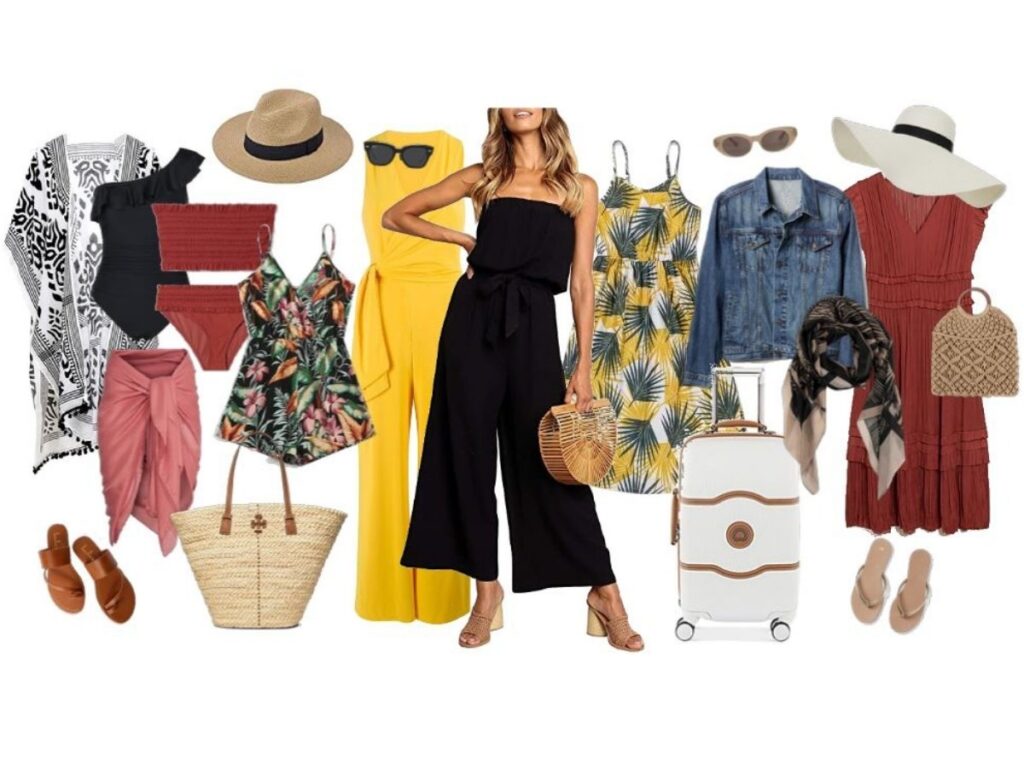
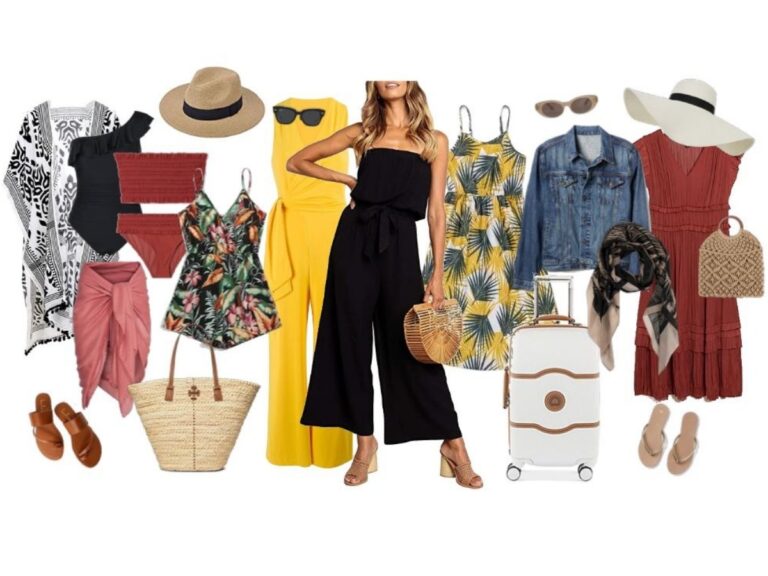
What to Pack for Mexico
Just as Mexico has a varied climate by destination, your Mexico packing list will vary based on your own preferences and itinerary. There are a few items I always recommend for any Mexico trip:
- A scarf or shawl: this can cover your shoulders in churches, shade you from the sun, and even keep you warm on a chilly evening. This scarf is made from UPF fabric for sun protection.
- A water bottle: I like collapsible travel water bottles, but you might prefer one with a built-in filter.
- Breathable fabrics and loose clothing: most Mexico destinations will be warm, so I recommend lightweight fabrics to keep you cool. I pack a lot of dresses for Mexico, but always bring longer pants or capris if I’ll be scrambling up ruins.
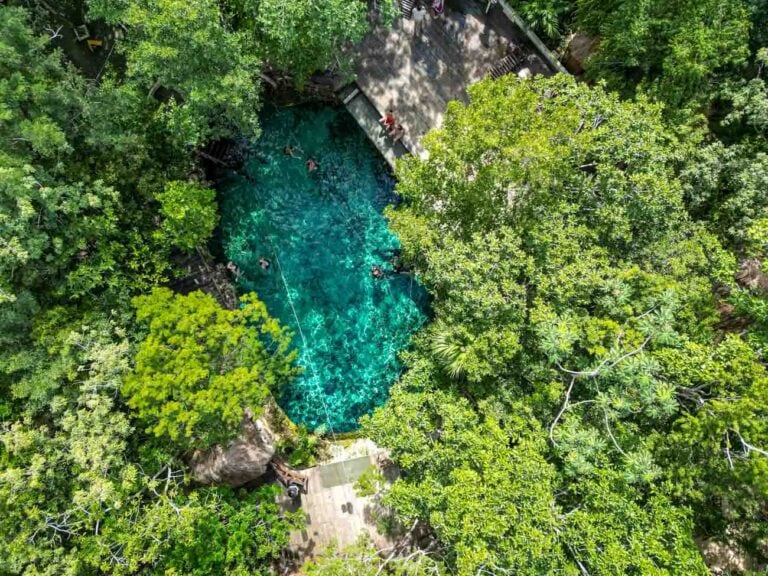
- Suitable footwear: be sure to bring at least one pair of lightweight, durable and comfortable shoes. Colonial cobblestone streets can be treacherous, and paths to cenotes can be slippery. I always pack a pair of hiking sandals.
- Safety gear: If traveling to big cities, I recommend bringing a backpack or crossbody bag with safety features. The brand Travelon makes a lot of great options. A beach safe can be a lifesaver for keeping your phone, keys, and wallet secure. If you’re traveling solo, you might sleep better with a travel door alarm.
For more packing tips, check out my ultimate Mexico packing list including resorts, beaches, cities and ruins! Or get my best tips for making a packing list for any trip.
Helpful Smartphone Apps for Mexico Travel
- Translation: Google Translate for translating words, phrases, and even photos of signs. Web | iOS | Android
- Language learning: Hack learning Spanish quickly with Language Transfer Web | iOS | Android Or brush up on phrases with Duolingo Web | iOS | Android
- Currency converter: Xe is my favorite currency converter to check exchange rates Web | iOS | Android
- Getting around: Waze for vehicle navigation Web | iOS | Android Or Google Maps for driving and walking Web | iOS | Android
- ADO bus ticket reservations: Busbud Web | iOS | Android
- Ride hailing in cities: Uber in Mexico City (and a few others) Web | iOS | Android And Didi in more cities iOS | Android
- Route mapping: Rome 2 Rio for figuring out the easiest way to get from point A to B. Web | iOS | Android
- Messaging: What’s App is a common messaging app that your hotel, tour operators, etc. might use to reach you. Web | iOS | Android
- TripIt: Forward your confirmation emails and this free app will keep track of all your itinerary details. Web | iOS | Android
- Banking apps: Download the app for your bank or credit cards to manage notifications and any issues. Be sure to set travel alerts before you go if your bank encourages this.
- Airline app: Check in, manage your reservation, and get notifications.

Safety & Solo Travel in Mexico
One of the biggest questions travelers always ask about Mexico is if it’s safe. And the answer is, of course, both yes and no. Travel always carries an inherent risk, even when you’re traveling within your own country. And Mexico certainly has places that are not safe to travel to. You can read the most updated guidance and travel advisories from the U.S. Department of State here.
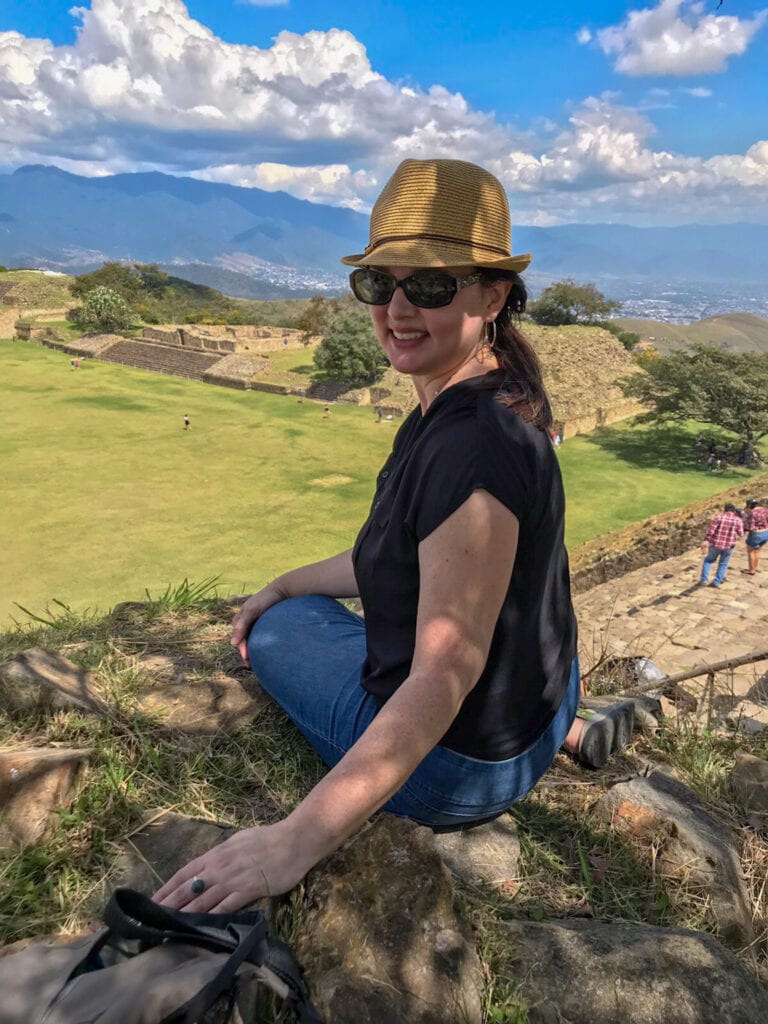
That being said, I have traveled in Mexico solo for more than 10 years, as well as with friends and family. Having found myself in unsafe situations in other places around the globe, I wouldn’t take my mom and sister along for trips in Mexico if I didn’t think we could travel there safely. I really think it comes down to planning ahead, prioritizing safety, and trusting your instincts.
I do things like looking at Google Streetview to get my bearings before I travel to new cities, especially if I will be arriving late and want to be able to recognize my hotel in the dark! Although I love getting to stay in unique places like restored colonial homes, I stopped booking vacation rentals when I travel alone. I found that a hotel with other travelers and a bar/restaurant gave me more connections and peace of mind.
If you’re a new or solo traveler, check out my tips for new international travelers. And even consider booking a tour to Mexico (more on that below!) to help you build confidence for later solo adventures.
Travel Insurance
I always recommend travel insurance. I got in the habit of using it when I first started traveling, since it was required on small group tours. And while your home country insurance might reimburse for emergency medical costs abroad, travel insurance also covers things like trip protection, loss/theft/damage of your personal items, emergency medical transportation, and 24-hour assistance.
Some of my latest and most popular Mexico travel guides:
- Find out which of the Oaxaca Pacific coast beaches is your perfect match, or explore Zipolite, Mazunte, Puerto Escondido or Huatulco beaches in-depth
- Discover the pristine beaches and wildlife of Baja California’s La Paz or the best beaches in Cabo
- Find out how to experience Day of the Dead in Oaxaca without a tour and where to stay in Oaxaca
- Get expert tips for Mexico’s travel hotspot of Tulum: find out the best places to stay including stylish Tulum Airbnb stays, what to include in your Tulum packing list, or learn how to visit Tulum on a budget
- Discover history and top tours for Aztec, Zapotec and Mayan ruins in Mexico including virtual tours
- Get off the beaten path in Mexico’s Yucatan Peninsula with the colonial gems of Merida and Valladolid
Mexico Tours
Want to visit Mexico, but not sure where to begin?
Adventure travel tours are a great way to travel solo, on a budget, or to new destinations. In fact, I credit small-group tours with Intrepid Travel and G Adventures for making me into the traveler I am today! If you’re not sure that adventure travel tours are for you, be sure to read my guide here. (Spoiler: they are!)
- Check out Mexico travel itineraries from G Adventures
- See Mexico travel trips from Intrepid Travel
Tours within Mexico
If you’re looking for guided day trips in Mexico, I recommend Viator, Get Your Guide, and Airbnb Experiences. I’ve used all three and appreciate being able to read reviews and book and manage my reservations online with these sites. In Mexico City in particular, I found Airbnb Experiences to offer unique local cultural experiences.
Or check out all of my Mexico travel tips!



















Pin these Mexico travel guides for future trip planning!

The Haphazard Traveler is a participant in the Amazon Services LLC Associates Program, an affiliate advertising program designed to provide a means for sites to earn advertising fees by advertising and linking to Amazon.com. As an Amazon Associate I earn from qualifying purchases.